
Introduction
Stress is an unavoidable part of modern life, but one of the most effective and accessible ways to manage it is through deep breathing. Breathing exercises for stress relief have been widely studied for their ability to reduce anxiety, calm the nervous system and improve emotional well-being. Research shows that controlled breathing techniques can significantly reduce stress and improve mental health outcomes, making them a valuable tool for daily stress management.
Whether you’re experiencing work-related pressure, anxiety symptoms, or simply looking for a natural way to relax, understanding how deep breathing reduces stress can help you take control of your mental and physical health.
What Is Deep Breathing?
Deep breathing, also known as diaphragmatic breathing or belly breathing, involves slow, controlled breaths that engage the diaphragm rather than shallow chest breathing. In psychology, deep breathing is considered a relaxation technique because it helps regulate the autonomic nervous system and promotes a state of calm.
When people experience stress and anxiety, breathing often becomes rapid and shallow. This pattern can worsen feelings of tension, nervousness and panic. Deep breathing reverses this response by encouraging slower, fuller breaths that increase oxygen exchange and promote relaxation.
How Does Deep Breathing Reduce Stress?
Many people wonder, Does deep breathing reduce stress? Scientific evidence suggests it does. When the body perceives a threat, it activates the sympathetic nervous system, commonly known as the “fight-or-flight” response. This increases heart rate, blood pressure and the release of stress hormones such as cortisol.
It activates the parasympathetic nervous system, often referred to as the “rest-and-digest” system. This physiological shift slows the heart rate, lowers blood pressure and helps reduce the body’s stress response. A systematic review found that diaphragmatic breathing can reduce both physiological and psychological stress markers in adults. Additionally, slow-paced breathing has been shown to improve emotional regulation and cardiovascular function.
Deep Breathing for Anxiety and Stress Relief
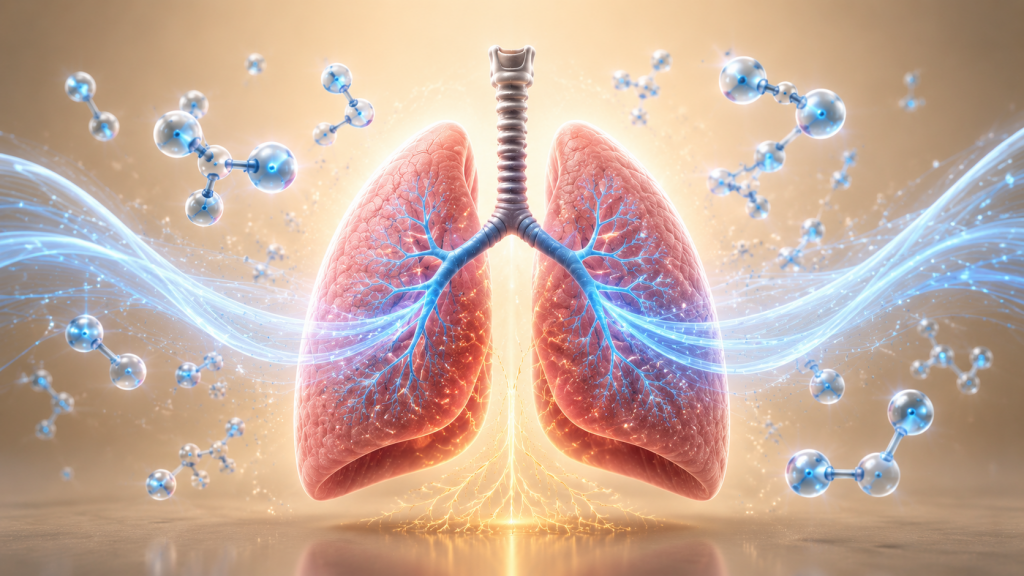
Deep breathing exercises for stress and anxiety are commonly recommended by psychologists and healthcare professionals. Anxiety often causes symptoms such as rapid breathing, chest tightness, dizziness and racing thoughts. Practicing this for anxiety disorder symptoms can help interrupt this cycle and restore a sense of control.
Research indicates that breathwork interventions can significantly improve stress and mental health outcomes, including anxiety symptoms (source). One reason for this effect is the connection between breathing and the vagus nerve, a major component of the parasympathetic nervous system. Studies suggest that slow breathing and extended exhalations may stimulate vagal activity, promoting relaxation and emotional balance.
This is why many people report feeling calmer, more focused and emotionally balanced after performing deep breathing exercises.
How to Do Deep Breathing for Stress Relief
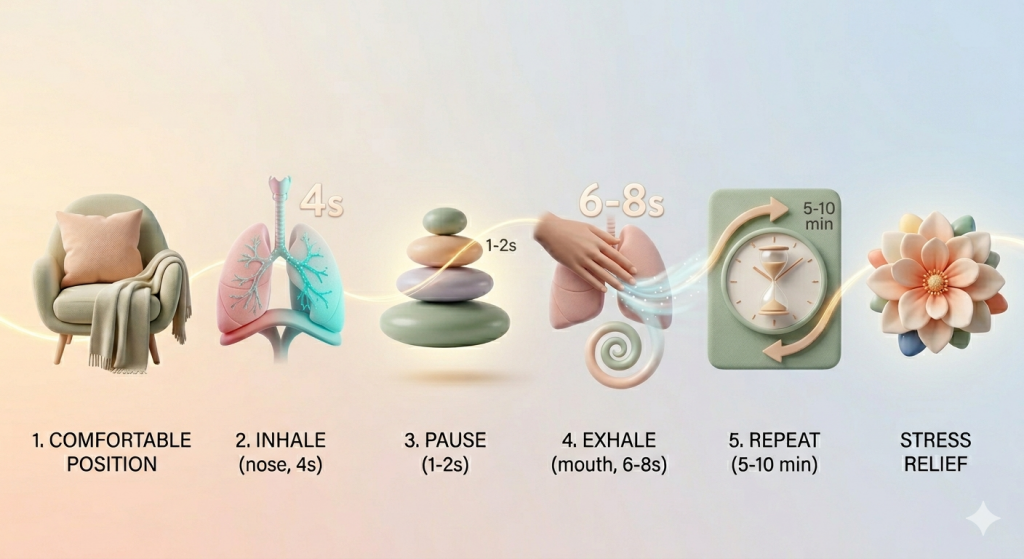
Learning how to do deep breathing for stress relief is simple and requires no equipment.
Step 1:
Sit or lie down in a comfortable position and relax your shoulders.
Step 2:
Breathe in through your nose for four seconds, allowing your abdomen to expand.
Step 3:
Hold the breath gently for one or two seconds.
Step 4:
Exhale through your mouth for six to eight seconds, letting tension leave the body.
Step 5:
Continue for five to ten minutes while focusing on your breathing pattern.
Techniques such as diaphragmatic breathing, box breathing, and the 4-7-8 breathing method can be particularly effective for stress reduction and anxiety management.
Benefits of Daily Deep Breathing
Regular practice offers benefits that extend beyond immediate stress relief. In the morning, it may help improve focus, increase energy and enhance emotional resilience throughout the day.
Research suggests that slow-paced breathing can improve heart rate variability, a key indicator of nervous system balance and stress resilience. Studies also indicate that controlled breathing may help lower cortisol levels, improve cardiovascular health and support better emotional regulation.
In addition, breathing exercises can complement mindfulness and meditation practices, creating a stronger foundation for long-term mental wellness.
Conclusion
Deep breathing is a simple yet powerful stress relief technique supported by scientific research. By activating the parasympathetic nervous system, reducing stress hormones, and improving emotional regulation, deep breathing exercises can help manage both stress and anxiety. Whether practiced for a few minutes during a busy day or incorporated into a daily wellness routine, deep breathing offers a natural, effective, and evidence-based approach to improving overall well-being.