
Introduction
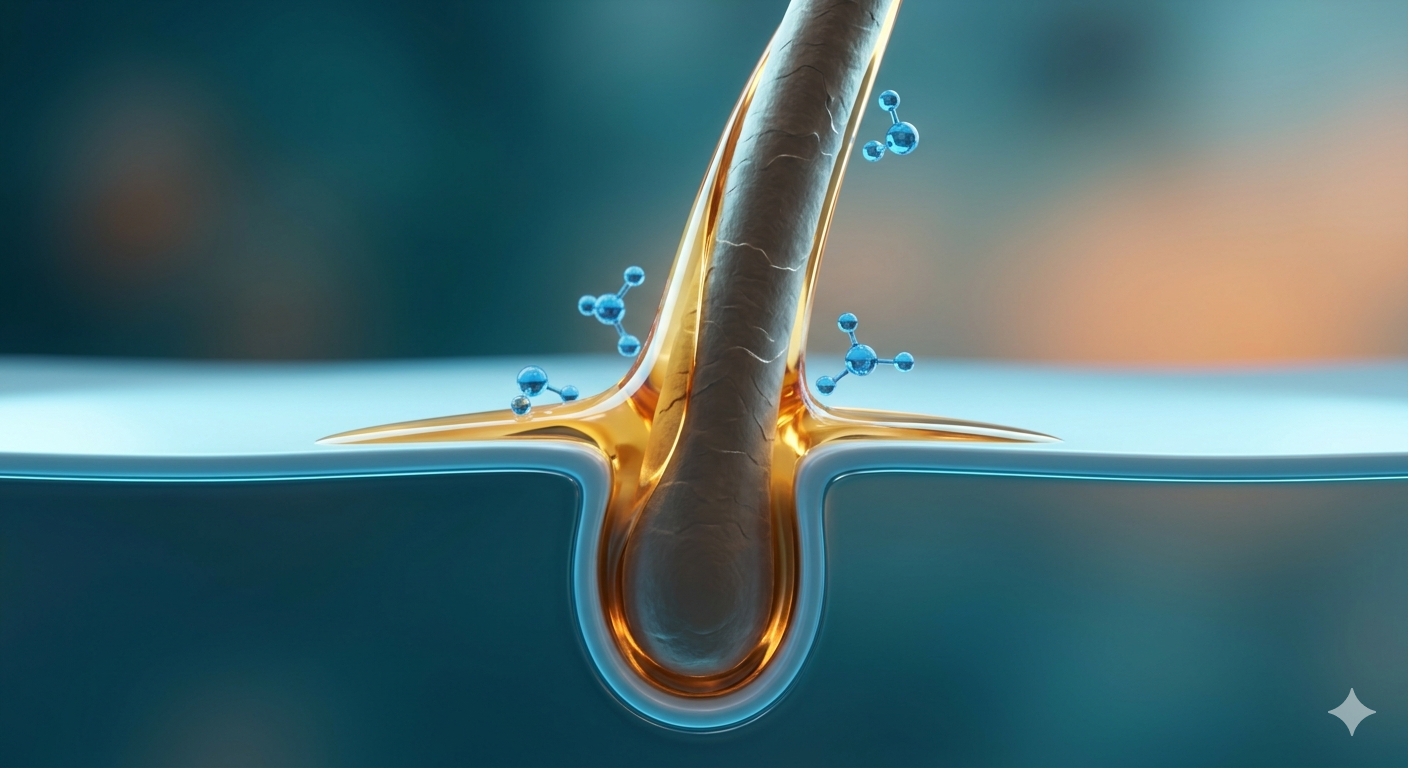
Healthy, strong hair begins at the scalp, and one of the most overlooked factors in scalp health is sebum balance. Sebum is a natural oily substance produced by the sebaceous glands connected to hair follicles. While excess scalp oil is often viewed negatively, sebum plays a crucial role in protecting hair, maintaining moisture and supporting overall scalp health. The challenge lies not in eliminating sebum but in maintaining the right balance.
Understanding how sebum production affects the scalp can help prevent sebum buildup, reduce hair damage and create the ideal environment for stronger, healthier hair growth.
What Is Sebum and Why Is It Important?
Sebum is a complex mixture of lipids secreted by sebaceous glands located throughout the scalp and skin. Its primary function is to lubricate and waterproof the hair shaft while helping maintain the skin barrier.
Sebum contributes significantly to skin barrier function, hydration and antimicrobial defense, helping protect both the scalp and hair from environmental stressors. A healthy amount of sebum acts as a natural conditioner, reducing friction between hair strands and preventing excessive moisture loss. Without adequate sebum, hair may become dry, brittle and more susceptible to breakage.
Does Sebum Make Hair Stronger?
In many ways, yes. Proper sebum balance supports stronger hair by coating the hair shaft with protective lipids that improve flexibility and reduce damage caused by grooming, heat styling and environmental exposure.
Sebum also helps maintain a healthy scalp microbiome. According to research, balanced scalp oils support the growth of beneficial microorganisms while helping maintain scalp homeostasis, an important factor for healthy hair follicles.
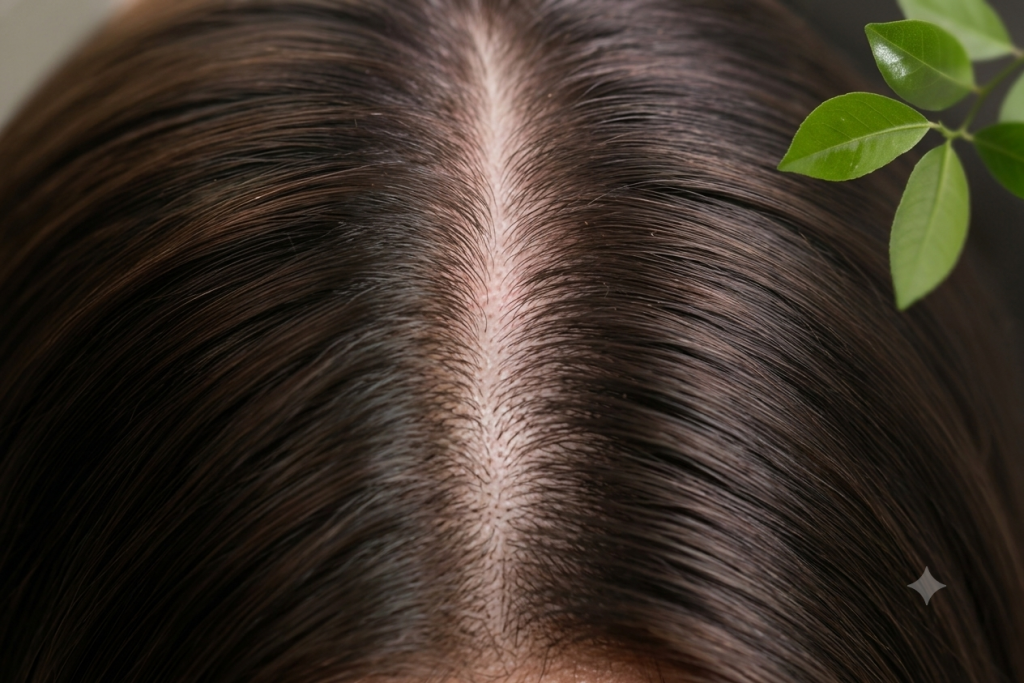
However, more sebum does not necessarily mean healthier hair. Excessive oil production can trap dead skin cells, dirt and product residue, creating sebum buildup that may contribute to scalp irritation and clogged follicles. Over time, this imbalance can affect optimal hair growth and scalp comfort.
What Causes Excess Sebum on the Scalp?
Several factors influence sebum production on the scalp. Hormones are among the most significant contributors. Androgens, particularly dihydrotestosterone (DHT), stimulate sebaceous gland activity and increase oil production.
A review published in Dermato-Endocrinology identified androgen hormones as key regulators of sebaceous gland function and sebum secretion (source).
Other common causes of excess sebum include:
- Genetic predisposition
- Stress and elevated cortisol levels
- Overwashing the hair
- Humid environmental conditions
- Use of harsh hair-care products
- Diets high in refined carbohydrates and sugars
These factors can trigger hyperseborrhea, a condition characterized by excessive sebum production that often results in greasy hair and scalp discomfort.
How to Balance Sebum Production Naturally
Maintaining healthy sebum levels requires a combination of proper scalp care and lifestyle habits.
Choose the Right Hair-Care Routine
Using a gentle shampoo designed for your scalp type can help remove excess oil without stripping away protective lipids. Over-cleansing may actually stimulate additional oil production as the scalp attempts to restore its natural balance. Regular cleansing also helps prevent sebum buildup and keeps hair follicles free from accumulated debris.
Support Sebaceous Gland Function Through Nutrition
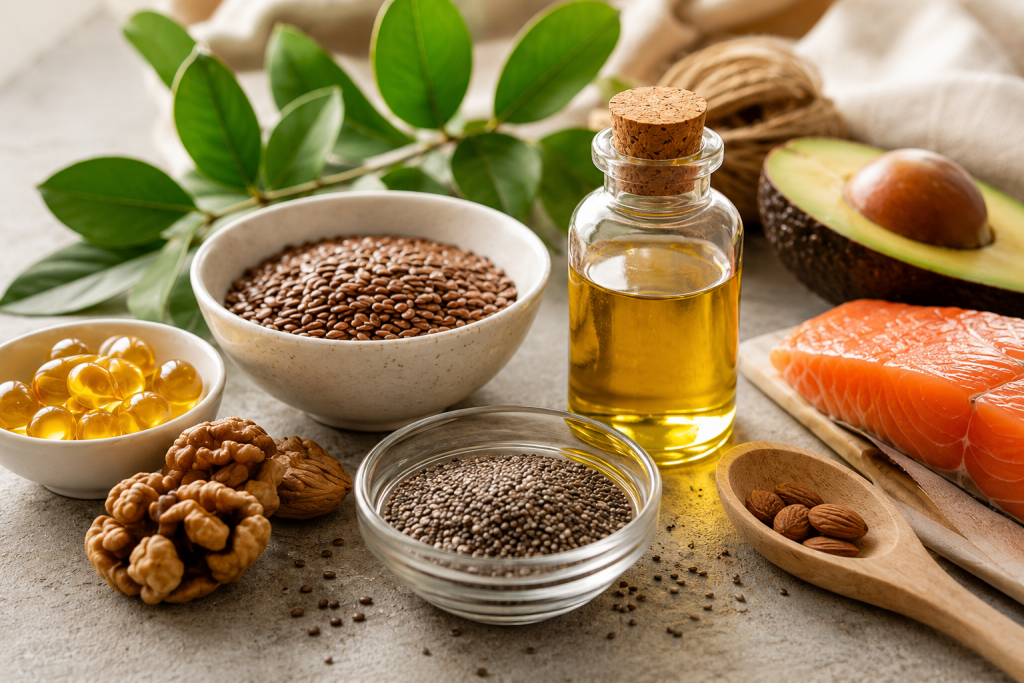
Nutrition plays a significant role in scalp health. Research suggests that nutrients such as zinc, omega-3 fatty acids, vitamin D and B vitamins support healthy skin and sebaceous gland activity.
The importance of nutrition in maintaining healthy skin function and regulating inflammatory processes that may affect sebaceous gland activity. Foods that may support balanced sebum production include:
- Fatty fish rich in omega-3s
- Nuts and seeds
- Leafy green vegetables
- Eggs
- Legumes
- Whole grains
Manage Stress Levels
Chronic stress can influence hormone levels and increase scalp oil production. Elevated cortisol has been linked to changes in skin barrier function and sebaceous gland activity.
Stress-management practices such as regular exercise, quality sleep, meditation and proper hydration may help support healthier scalp conditions and more balanced sebum production.
Signs Your Sebum Levels Are Balanced
A healthy scalp typically shows several indicators of balanced sebum production:
- Hair remains clean for a reasonable period after washing
- Minimal scalp irritation or itching
- Reduced dandruff and flaking
- Hair appears naturally shiny without excessive greasiness
- Scalp feels comfortable rather than overly oily or dry
These signs suggest that the scalp barrier and sebaceous glands are functioning effectively, creating an environment that supports healthy hair growth.
Conclusion
Sebum is not the enemy of healthy hair—it is one of its most important natural protectors. Produced by the sebaceous glands, sebum helps moisturize the scalp, strengthen the hair shaft, and support a healthy scalp microbiome. However, both insufficient and excessive sebum can negatively affect hair health.
By understanding what causes excess sebum, preventing sebum buildup, following a balanced hair-care routine, and supporting scalp health through proper nutrition and stress management, you can maintain optimal sebum balance. The result is a healthier scalp environment and stronger, more resilient hair over the long term.