
Introduction
Incorporating powerful stress-relief foods for hair growth into your diet may help lower stress levels while providing essential nutrients that support stronger, healthier hair. Stress affects more than your mental well-being—it can also take a serious toll on your hair. Many people experiencing chronic stress notice increased hair shedding, thinning, or slower hair growth. Research shows that elevated cortisol, the body’s primary stress hormone, can disrupt the normal hair growth cycle and push hair follicles into a resting phase, leading to stress-related hair loss.
What Is Stress-Related Hair Loss?
Stress-related hair loss is commonly linked to a condition called telogen effluvium, where significant emotional or physical stress causes a larger number of hair follicles to enter the shedding phase prematurely. According to research, telogen effluvium is one of the most common forms of diffuse hair loss and is often triggered by stress, illness, or nutritional deficiencies.
Unlike genetic hair loss, stress-induced hair loss is often temporary. Once stress levels are reduced and nutritional balance is restored, hair follicles can gradually return to their normal growth cycle.
How Stress and Cortisol Affect Hair Growth
Chronic stress increases cortisol production, which may negatively affect hair follicle stem cells. A landmark study published in Nature found that elevated stress hormones can suppress hair follicle regeneration and delay hair growth by keeping follicles in a prolonged resting state (source).
Stress can also contribute to inflammation and increase the body’s demand for nutrients such as zinc, magnesium, iron and B vitamins. Deficiencies in these nutrients have been associated with increased hair shedding and weakened hair structure. This is why a nutrient-rich diet is considered an important part of managing cortisol-related hair loss naturally.
10 Stress-Relief Foods for Stronger Hair
1. Fatty Fish
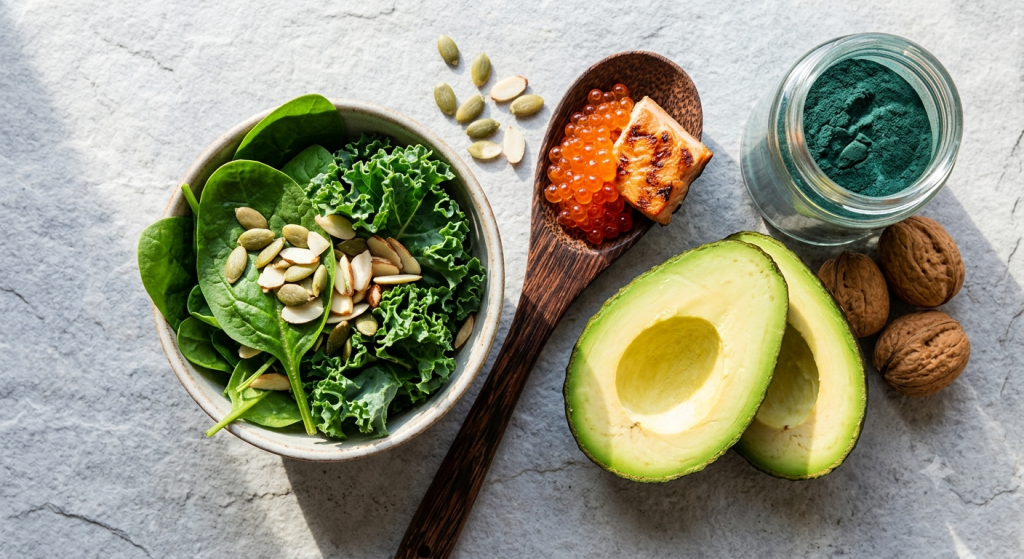
Salmon, sardines and mackerel are rich in omega-3 fatty acids, which help reduce inflammation and support scalp health. Studies suggest omega-3s may improve hair density and reduce hair shedding while also supporting mood regulation.
2. Eggs
Eggs are among the best foods for stronger hair because they provide high-quality protein and biotin. Hair is primarily made of keratin, a protein that requires adequate dietary protein for optimal growth.
3. Spinach
Spinach contains iron, folate, and vitamin C. Iron deficiency is one of the most common nutritional causes of hair loss, particularly in women. Adequate iron helps deliver oxygen and nutrients to hair follicles.
4. Walnuts
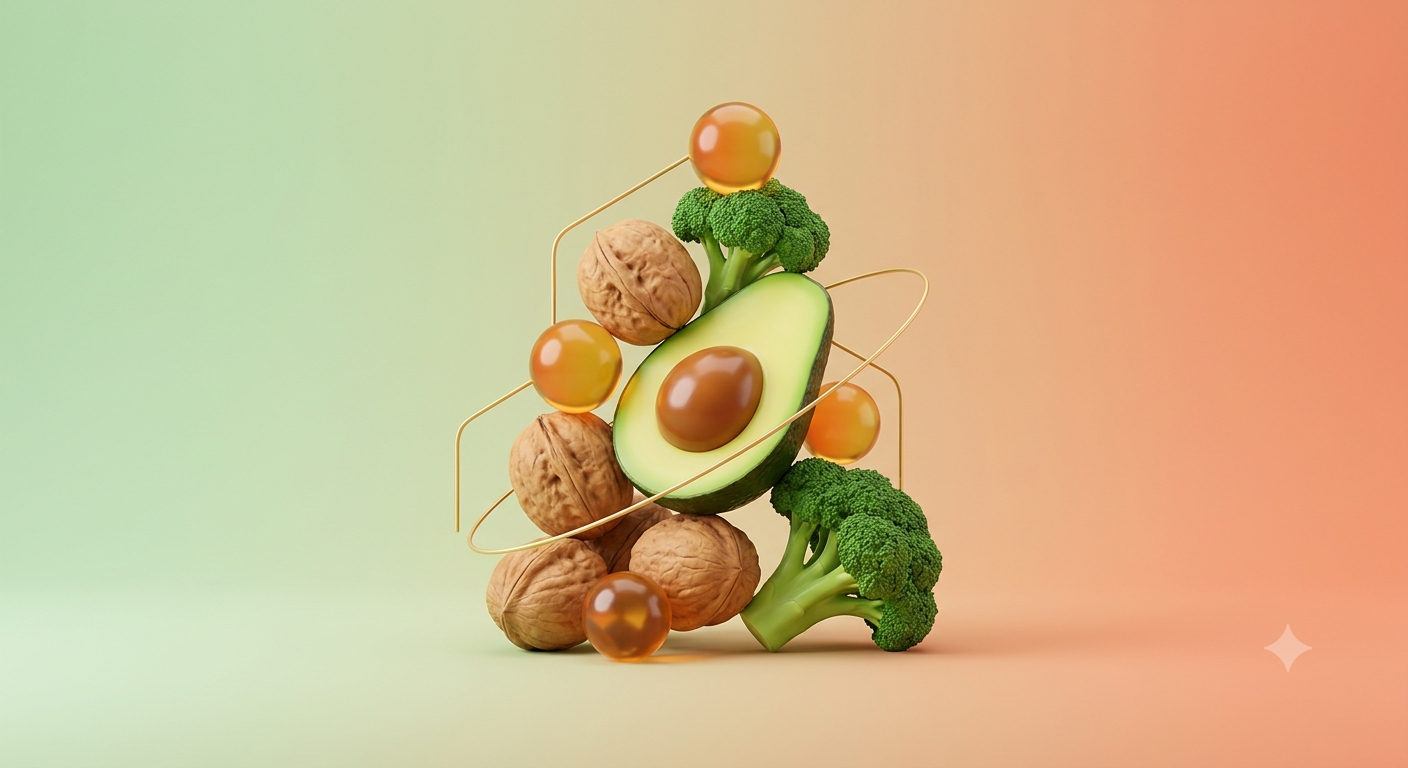
Walnuts provide omega-3 fatty acids, zinc, and antioxidants. Zinc plays an important role in hair follicle function, and deficiency has been linked to hair thinning.
5. Pumpkin Seeds
Pumpkin seeds are excellent sources of magnesium and zinc. Magnesium may help regulate the body’s stress response and support healthy cortisol levels.
6. Greek Yogurt
Greek yogurt contains protein and probiotics that support gut health. Emerging research suggests that a healthy gut microbiome may help regulate stress responses and inflammation, indirectly benefiting hair health.
7. Blueberries
Blueberries are packed with antioxidants that help combat oxidative stress. Oxidative stress can damage hair follicles and contribute to premature hair aging.
8. Avocados
Avocados are rich in vitamin E, a powerful antioxidant. A clinical study published in Tropical Life Sciences Research found that vitamin E supplementation improved hair growth in individuals experiencing hair loss.
9. Oats
Oats provide complex carbohydrates and B vitamins that help stabilize blood sugar levels and support energy production. Balanced blood sugar may help reduce stress-related hormonal fluctuations.
10. Dark Chocolate
Dark chocolate contains magnesium and flavonoids that may support stress reduction when consumed in moderation. Lower stress levels may help maintain a healthier hair growth cycle.
Key Nutrients That Prevent Hair Fall Naturally
Several nutrients are essential for healthy hair growth. Protein provides the structural foundation of hair, while iron supports oxygen delivery to hair follicles. Zinc contributes to tissue repair and hair follicle maintenance. Vitamin D is involved in follicle cycling and low levels have been associated with certain forms of hair loss. Omega-3 fatty acids help reduce inflammation, while vitamins C and E protect follicles from oxidative damage.
A 2019 review published in Dermatology and Therapy concluded that deficiencies in iron, vitamin D, zinc, biotin and essential fatty acids may contribute to various forms of hair loss, highlighting the importance of a balanced diet for hair health.
Can Hair Grow Back After Stress Hair Loss?
One of the most common questions people ask is whether hair can grow back after stress-related hair loss. In many cases, the answer is yes. Since stress-induced hair loss usually does not permanently damage the follicles, regrowth is often possible once the underlying stressor is addressed.
Combining stress management techniques with healthy foods for hair growth can support recovery. Regular exercise, quality sleep, mindfulness practices, and a nutrient-rich diet may help normalize cortisol levels and encourage stronger hair growth over time. Here, you may read our article to understand that how the deep breathing is a powerful stress relief technique supported by scientific research. However, hair regrowth is gradual and may take several months before noticeable improvements appear.
Conclusion
Stress and hair loss are closely connected, but nutrition can play a powerful role in supporting recovery. Incorporating stress-relief foods for hair growth such as fatty fish, eggs, spinach, walnuts, pumpkin seeds, blueberries and avocados can help provide the nutrients your hair follicles need while supporting a healthier stress response. When combined with effective stress management and healthy lifestyle habits, these foods may help reduce hair fall naturally and promote stronger, healthier hair growth.