
Introduction
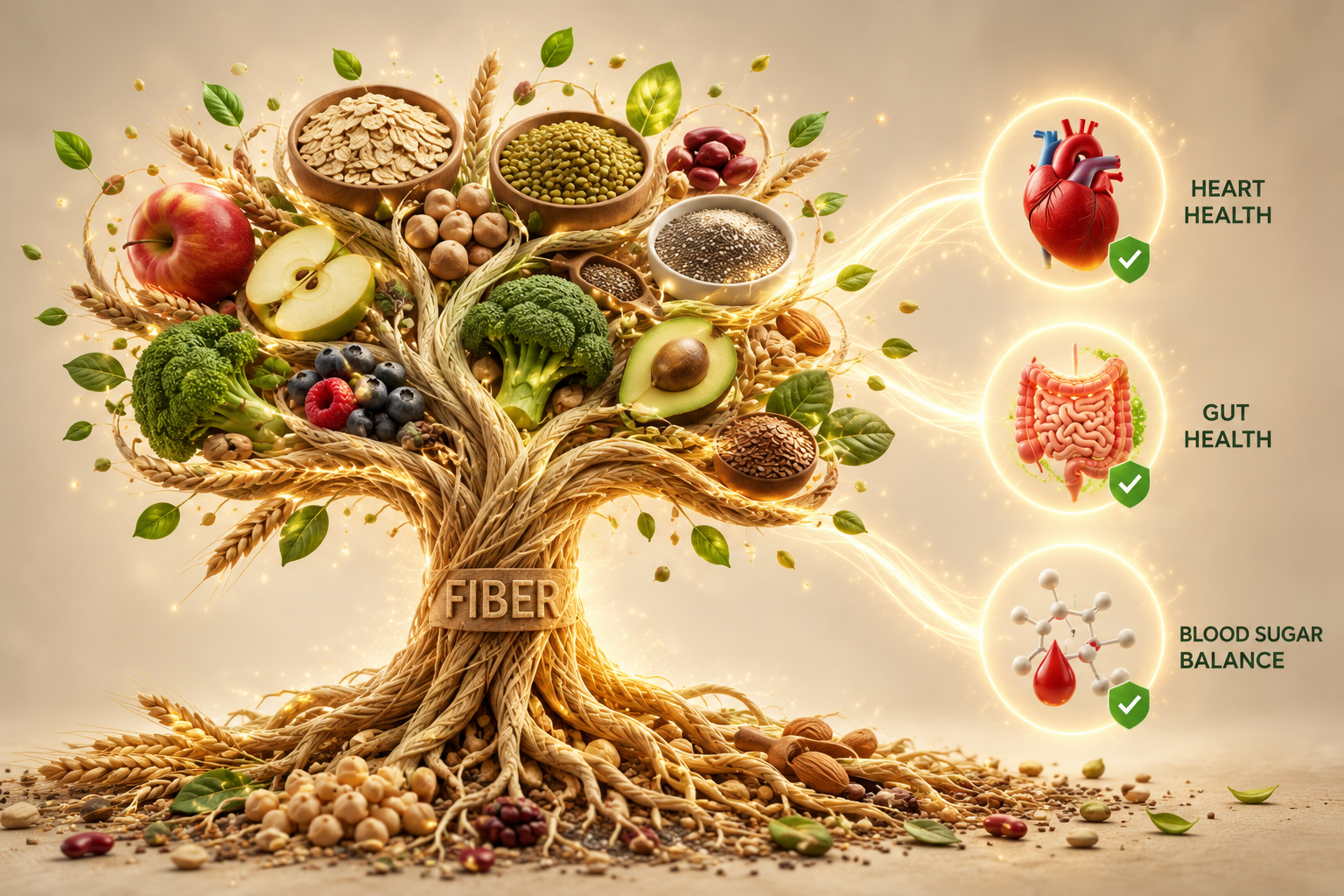
Dietary fiber is often overlooked in modern diets, yet it is one of the most important nutrients for maintaining overall health. Found naturally in fruits, vegetables, legumes, whole grains, nuts and seeds. Dietary fiber supports digestive health, heart function, blood sugar regulation and a balanced gut microbiome. Research suggests that most adults consume significantly less fiber than recommended, potentially missing out on numerous health benefits. Understanding the powerful fiber secrets for better health can help you make smarter dietary choices and improve long-term wellness.
How Fibers Improve Gut Health and Digestion
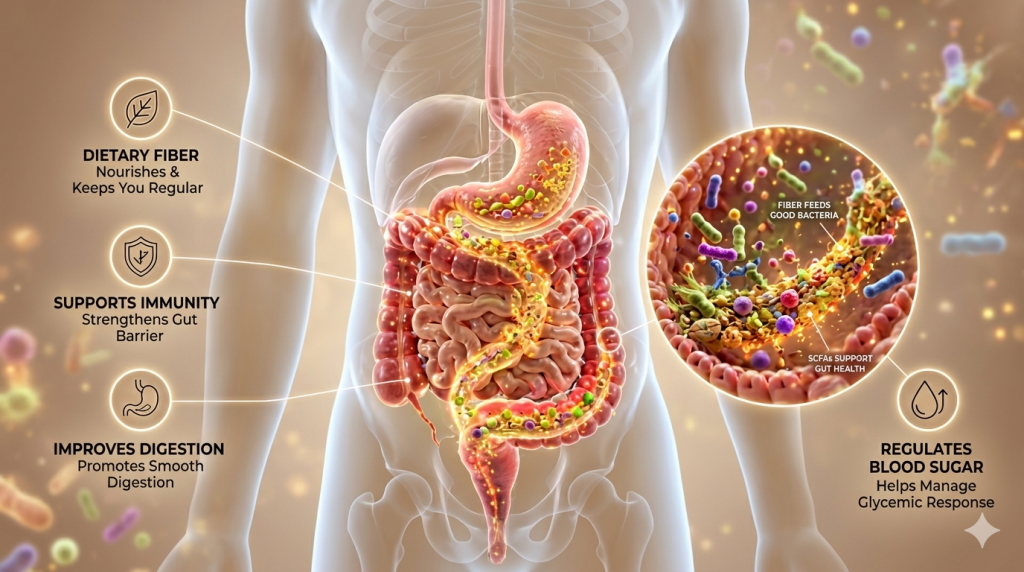
One of the most well-known health benefits of fiber is its ability to support digestive health. Dietary fibers add bulk to stool and helps food move efficiently through the digestive tract. Also reduce the risk of constipation and promoting regular bowel movements.
Fiber also plays a crucial role in maintaining a healthy gut microbiome. Certain fibers act as prebiotics, feeding beneficial gut bacteria that produce short-chain fatty acids (SCFAs), compounds that help maintain the intestinal barrier and support immune function. According to a research, dietary fiber promotes microbial diversity and contributes to overall gut health.
Many people wonder whether fiber is better than probiotics for gut health. While probiotics introduce beneficial bacteria, fiber provides the fuel these bacteria need to thrive. For optimal digestive wellness, both are important, but fiber serves as the foundation for a healthy gut ecosystem.
Fiber’s Role in Blood Sugar Control
Another powerful benefit of fiber is its effect on blood sugar management. Soluble fiber dissolves in water and forms a gel-like substance that slows digestion and promote carbohydrate absorption. This process helps reduce rapid spikes in blood glucose levels after meals.
Research published in The Lancet found that higher dietary fiber intake is associated with improved glycemic control and a lower risk of developing type 2 diabetes (source). This is why individuals often ask, “Will fiber help lower sugar level?” While fiber is not a medication, consuming adequate amounts may support healthier long-term blood sugar levels when combined with an overall balanced diet.
How Fiber Supports Heart Health and Lowers Cholesterol
Fiber is also essential for cardiovascular health. Soluble fiber binds to cholesterol-containing bile acids in the digestive tract, helping remove them from the body before they can be reabsorbed. As a result, the liver uses circulating cholesterol to produce more bile acids, which may help lower LDL (“bad”) cholesterol levels.
A comprehensive meta-analysis published in The American Journal of Clinical Nutrition found that increasing soluble fiber intake significantly reduces LDL cholesterol and improves cardiovascular risk factors (source). This evidence supports the common question, Does fiber help lower cholesterol? the scientific answer is yes, particularly soluble fiber from oats, legumes, psyllium, flaxseeds and fruits.
By helping manage cholesterol levels and supporting healthy blood vessels, fiber contributes to long-term heart health and may reduce the risk of cardiovascular disease.
Fiber and Hormone Balance
Emerging research suggests that fiber may also support hormonal health. Certain dietary fibers can bind to excess estrogen in the digestive tract, promoting its elimination through regular bowel movements. This process may help maintain healthy hormone balance and support metabolic function.
Higher fiber intake is associated with lower circulating estrogen concentrations in some populations. While fiber should not be viewed as a treatment for hormonal disorders, it can be a valuable component of a balanced diet that supports overall endocrine health.
The Best High-Fiber Foods for Better Health
If you’re wondering what type of fiber is best for health, the answer is both soluble and insoluble fiber. Soluble fiber supports heart health, cholesterol management and blood sugar control, while insoluble fiber promotes digestive regularity.
Some of the healthiest high-fiber foods include:
- Lentils and beans
- Oats and barley
- Chia seeds and flaxseeds
- Apples and pears
- Berries
- Avocados
- Broccoli and leafy greens
- Almonds and pistachios
- Whole grains
A healthy high-fiber breakfast might include oatmeal topped with berries and chia seeds. Incorporating a variety of plant-based foods ensures you receive both types of fiber and maximize their health benefits.

How Much Fiber Do You Need?
Most adults fail to meet recommended fiber intake levels. According to the Academy of Nutrition and Dietetics, adult men should aim for approximately 30–38 grams of fiber daily, while women should consume about 21–25 grams per day.
When increasing fiber intake, it is important to do so gradually and drink adequate water. Sudden increases may lead to temporary bloating or digestive discomfort. Combining fiber with proper hydration helps maintain healthy digestion and allows fiber to work effectively throughout the digestive system.
Conclusion
Fiber is one of nature’s most powerful tools for better health. From improving gut health and digestion to supporting blood sugar control, lowering cholesterol, promoting heart health, and assisting hormone balance, the benefits of fiber extend throughout the body. By consuming a variety of fiber-rich foods daily, you can nourish your gut microbiome, improve digestive regularity, and support long-term wellness. Small dietary changes today can unlock the powerful fiber secrets that lead to a healthier future.