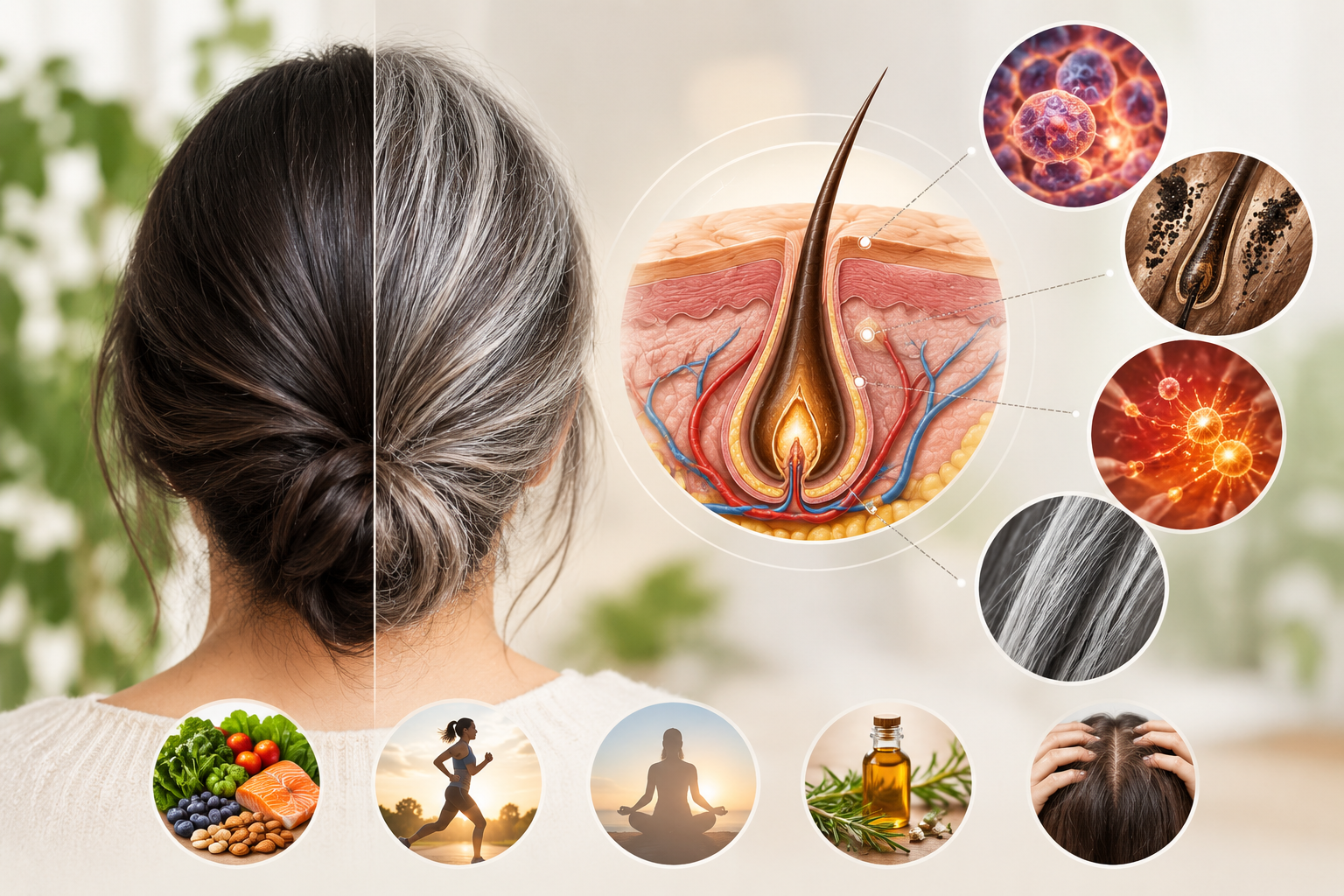

Hair aging is not simply about getting gray hair. Hair aging at the cellular level begins inside the hair follicle, where stem cells, pigment-producing cells, and other supporting cells gradually change. Over time, these changes can affect hair thickness, growth, pigmentation, strength, and overall appearance.
Understanding what happens inside the follicle can help explain why hair turns gray, why hair becomes thinner with age, and how to maintain healthier aging hair.
What Are the First Signs That Hair Is Aging?
Some of the earliest signs of aging hair include:
- Gray or white strands
- Reduced hair density
- Finer individual hairs
- Increased dryness and fragility
- Less shine
- Slower-looking growth
- Greater susceptibility to breakage
Research shows that aging hair follicles undergo changes involving hair follicle stem cells, their surrounding environment, and the follicle’s ability to regenerate. These changes can contribute to reduced hair density and hair thinning. (Also read our article on stress and hair fall)
However, not every change in hair is caused by aging. Genetics, hormones, nutritional deficiencies, medications, illness, and environmental damage can also affect hair.
Why Does Hair Turn Gray With Age?
One of the most visible signs of hair aging is loss of pigmentation.
Hair color depends on melanocytes, specialized cells that produce melanin. These cells originate from melanocyte stem cells inside the hair follicle. Research funded by the NIH found that aging melanocyte stem cells can become trapped in an abnormal state, reducing their ability to replenish pigment-producing cells. This may help explain why hair gradually becomes gray or white.
So, what causes gray hair to turn gray? In simple terms, the follicle gradually loses its ability to maintain normal pigment production. Genetics and biological aging play major roles, while certain diseases and nutritional problems can also be associated with premature graying.
There is no single age when hair should start turning gray. Some people notice gray hair in their twenties, while others retain their natural color much longer.
What Happens to Hair Follicle Cells as We Age?
The hair follicle repeatedly goes through growth, regression, and resting phases. Hair follicle stem cells help regenerate the follicle during this cycle.
With aging, these stem cells can lose some of their regenerative capacity. Changes in their surrounding cellular “niche” can also interfere with normal follicle activity. Scientists are studying these processes because they may contribute to age-related hair thinning and follicle miniaturization. (Also read)
Oxidative stress and accumulated cellular damage are also being investigated as contributors to hair aging and graying.
Can You Keep Aging Hair Healthy?
Although we cannot stop biological aging, we can reduce avoidable damage.
Protecting hair from excessive heat, harsh chemical treatments, excessive sunlight, friction, and smoking can help preserve hair-fiber quality. A balanced diet containing adequate protein, iron, zinc, vitamin D, healthy fats, fruits, vegetables, and other essential nutrients also supports normal hair growth.
Dr. Barbara O’Neill emphasizes nutrition, stress management, exercise, hydration, and gentle scalp care in her discussions of hair loss. She also recommends a scalp massage using coconut oil, castor oil, and rosemary essential oil. In her teaching, she suggests that massage can stimulate blood supply around the follicles. (Also read)
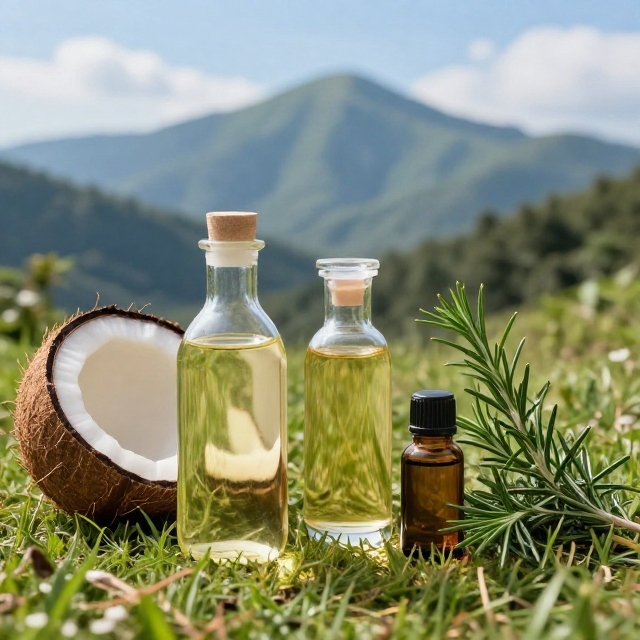
These are her recommendations, rather than established treatments for cellular aging. In particular, there is not enough evidence to claim that an oil mixture can reverse gray hair or restore aged hair follicles.
What Is the Best Moisturizer for Gray or Aging Hair?
Gray and aging hair can feel dry or rough because hair-fiber properties change with age and because environmental exposure accumulates over time. Rather than looking for one “best” moisturizer, focus on conditioning and reducing moisture loss.
A gentle shampoo followed by a moisturizing conditioner can help. Leave-in conditioners, lightweight oils, and products containing ingredients such as plant oils or conditioning agents may also improve softness and manageability.
What happens if you use purple shampoo on gray hair? Purple shampoo can reduce unwanted yellow or brassy tones, but it does not reverse the biological process that caused the hair to lose pigment.
Does Long Hair Make You Look Older?
Long hair does not inherently make someone look older. Hair length, color, texture, haircut, and overall hair health all influence appearance differently.
Likewise, there is no scientifically established hair color that makes every older woman look younger. Choosing a flattering color or hairstyle is primarily a personal and cosmetic decision.
The Bottom Line
Hair aging begins inside the follicle. Changes in hair follicle stem cells, melanocyte stem cells, cellular function, oxidative stress, and the follicle’s supporting environment can gradually contribute to thinning, reduced pigmentation, and other visible changes. (Also read)
You cannot completely stop hair aging, but good nutrition, gentle hair care, protection from environmental damage, adequate sleep, physical activity, and a healthy scalp can help maintain the quality of aging hair. Persistent or unusually early hair loss or graying should be evaluated for underlying nutritional, hormonal, autoimmune, or other medical causes.