
Introduction
Hair shedding is a normal part of the hair growth cycle, but noticing large amounts of hair in your brush or shower drain can be alarming. If you’ve recently experienced emotional stress, illness, surgery, or burnout, your hair loss may be linked to stress-related hair shedding, also known as telogen effluvium. Research shows that physical and psychological stress can disrupt the normal hair cycle, causing more hair follicles to enter the resting (telogen) phase and shed several months later. Fortunately, this condition is usually temporary and with proper care, hair loss due to stress can be recovered.
What Is Stress-Related Hair Shedding?
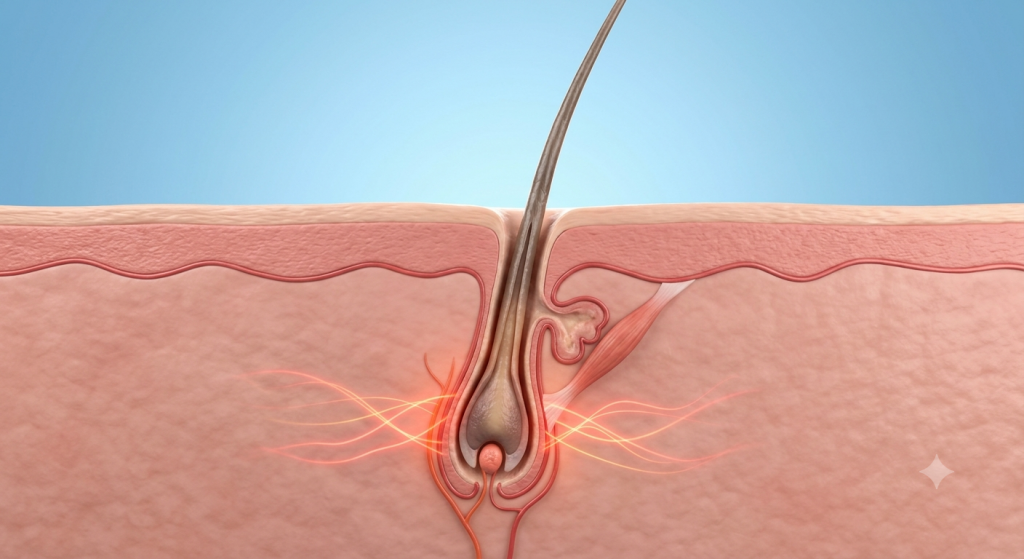
Stress-related hair shedding occurs when a stressful event pushes a large number of hair follicles into the telogen phase prematurely. Normally, about 85–90% of scalp hairs are actively growing, while only 10–15% are resting. During telogen effluvium, this balance shifts, leading to sudden excessive hair fall approximately two to three months after the triggering event.
Unlike hereditary hair loss, stress shedding causes diffuse thinning across the scalp rather than distinct bald patches. This condition can affect both men and women and is one of the most common sudden extreme hair fall causes.
Why Does Stress Cause Sudden Hair Shedding?
Stress affects the body by increasing the production of cortisol, commonly known as the stress hormone. Elevated cortisol can alter the hair growth cycle, promote inflammation and reduce the activity of hair follicle stem cells, slowing healthy hair growth. Whether caused by emotional trauma, chronic anxiety, illness, childbirth, surgery, rapid weight loss, or burnout, stress can trigger telogen effluvium and excessive shedding.
Researchers have also found that chronic stress influences immune function and inflammatory pathways, both of which may contribute to temporary hair loss (source). This explains why many people ask, Can stress alone cause hair loss? In many cases, the answer is yes—especially when stress is severe or prolonged.
How to Tell If Your Hair Shedding Is Due to Stress
One of the clearest signs of stress and sudden hair shedding is the timing. Hair usually begins falling out two to three months after a significant stressful event rather than immediately.
Common symptoms include:
- Increased hair shedding during washing or brushing.
- Overall thinning instead of patchy bald spots.
- Hair loss spread evenly across the scalp.
- A recent history of emotional or physical stress.
Because nutrient deficiencies and hormonal disorders can produce similar symptoms, healthcare providers may recommend blood tests to evaluate iron, ferritin, vitamin D, vitamin B12, zinc and thyroid function before confirming stress-related hair loss. These tests help rule out other causes of sudden excessive hair fall.
Can Stress Hair Loss Grow Back?
The encouraging news is that hair loss due to stress recovery is possible because the hair follicles usually remain healthy. Once the underlying stress is reduced, most follicles gradually return to the growth (anagen) phase.
Research suggests that excessive shedding typically decreases within three to six months, while noticeable regrowth often occurs within six to twelve months, depending on age, nutrition, overall health and stress management. Therefore, if you’re wondering how long it takes for stress-related hair loss to grow back, patience and consistent self-care are essential.
How to Reduce Stress Hair Loss Naturally
Although there is no instant cure for stress shedding, several evidence-based strategies can support healthy hair regrowth and reduce further hair loss.
- Manage stress through mindfulness, meditation, yoga, or deep breathing exercises to lower cortisol levels.
- Get 7–9 hours of quality sleep each night, as sleep supports tissue repair and hormone balance.
- Eat a balanced diet rich in protein, iron, zinc, vitamin D, vitamin B12, biotin, and omega-3 fatty acids, all of which contribute to healthy hair growth.
- Exercise regularly to improve circulation and reduce chronic stress.
- Avoid excessive heat styling, harsh chemical treatments, and tight hairstyles while recovering.
If laboratory tests reveal nutritional deficiencies, supplementation should be guided by a healthcare professional rather than self-prescribed.
Stress Hair Shedding vs. Seasonal Hair Shedding
Not every episode of increased hair loss is caused by stress. Many people experience seasonal hair shedding in summer or early autumn, which is considered a normal biological variation. Seasonal shedding is usually mild and resolves naturally, whereas stress-related hair loss tends to follow a major emotional or physical event and often results in noticeably greater hair fall. You may read our detailed article on the topic “Seasonal Hair Shedding Cycles”.
If excessive shedding continues beyond six months, worsens over time, or occurs with scalp inflammation or bald patches, consult a dermatologist to identify possible underlying medical conditions.
Conclusion
Stress can significantly disrupt the normal hair growth cycle, making it one of the leading reasons for sudden extreme hair fall. By triggering telogen effluvium, emotional and physical stress cause many hair follicles to enter the resting phase, resulting in temporary but often dramatic shedding. Fortunately, most cases are reversible. Managing stress, correcting nutritional deficiencies, maintaining a healthy lifestyle and seeking medical advice when necessary can help restore normal hair growth and reduce future episodes of stress-induced hair loss.