
Introduction
When people think about hair damage, they often blame heat styling, chemical treatments, or poor nutrition. However, water quality is an overlooked factor that can significantly influence hair health. Every wash exposes your hair to minerals, chemicals, and impurities present in the water. In areas with hard water, excess calcium and magnesium accumulate on the hair shaft, leading to dryness, dullness, frizz and increased breakage. While hard water is not considered a direct cause of permanent hair loss, it can weaken hair fibers and make hair appear thinner over time. Understanding the science of hard water can help you prevent damage and maintain healthier, stronger hair.
What Is Hard Water and Why Does It Damage Hair?
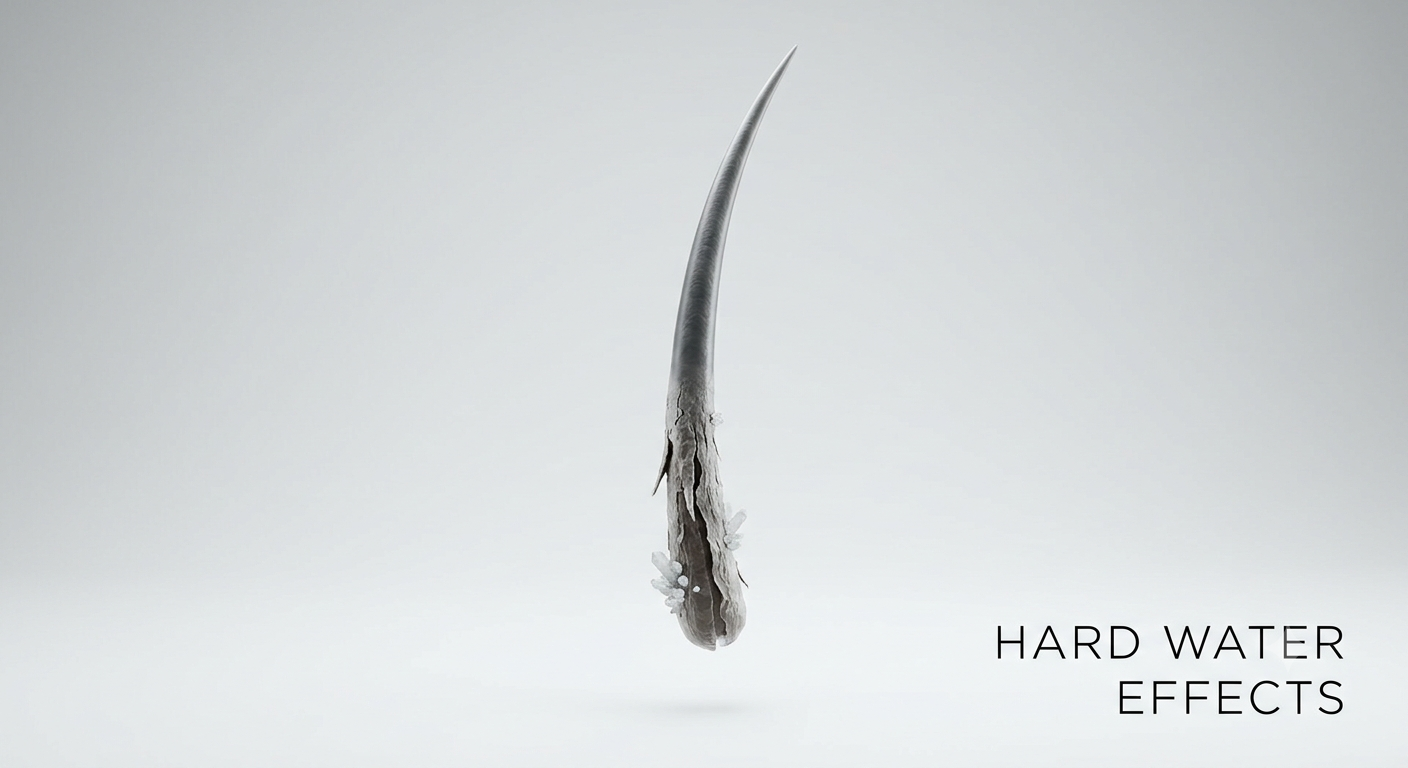
Hard water contains elevated levels of dissolved minerals, mainly calcium and magnesium. As water evaporates after washing, these minerals remain on the hair shaft, creating a residue that interferes with moisture absorption and prevents shampoos from cleansing effectively. This mineral buildup raises friction between hair fibers, weakens the protective cuticle, and leaves hair rough, brittle and difficult to manage. Studies on hair fiber science have shown that repeated exposure to hard water can reduce hair smoothness and increase mechanical stress during combing, making strands more susceptible to breakage (source).
Signs Your Water Is Damaging Your Hair
Many people ask, How do I tell if my water is damaging my hair? Common signs include:
- Dry, rough, or brittle hair
- Persistent frizz and tangling
- Dull appearance with reduced shine
- Hair that feels coated or heavy after washing
- Color-treated hair fading faster
- Dry, itchy scalp
- Increased hair breakage during brushing
These symptoms usually develop gradually as mineral deposits accumulate on the hair surface, making it difficult for moisture and conditioners to penetrate the hair cuticle.
Can Water Quality Cause Hair Loss?
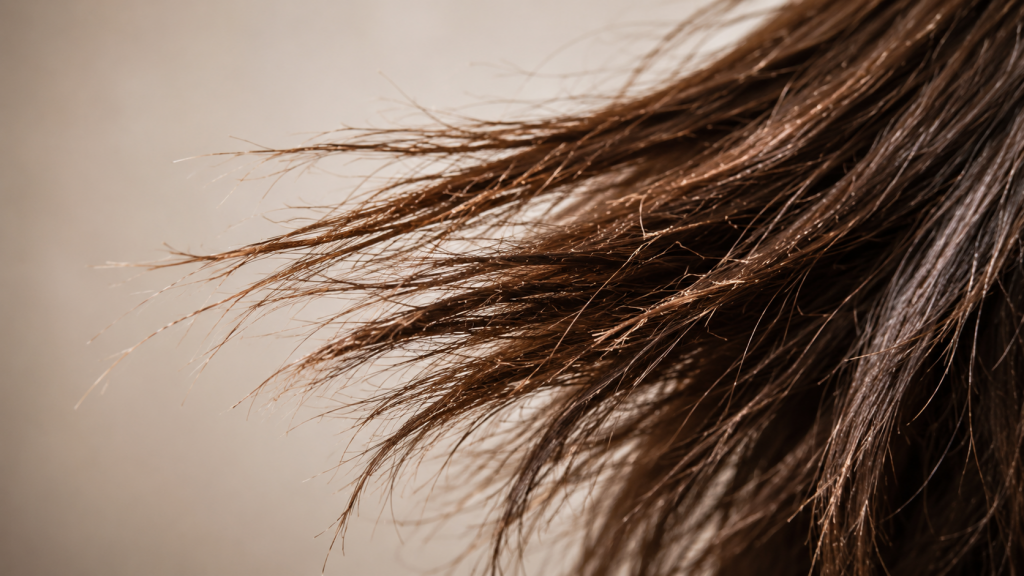
A common concern is whether the quality of water affects hair loss. Current scientific evidence indicates that quality of water does not directly damage hair follicles or cause permanent hair loss. However, mineral buildup weakens the hair shaft, increasing breakage that may create the appearance of thinning hair. In addition, scalp dryness or irritation caused by mineral deposits may worsen existing scalp conditions, indirectly affecting hair quality. If excessive shedding persists, other factors such as genetics, hormonal changes, nutritional deficiencies, thyroid disorders, or stress should also be evaluated.
How to Check if Hard Water Is Affecting Your Hair
If your hair becomes softer when traveling or after using filtered water, your household water may be contributing to the problem. Other signs include white mineral deposits on faucets, shampoo that lathers poorly, soap residue on shower surfaces and hair that feels sticky or squeaky after rinsing.
To confirm water hardness, you can:
- Use a home water hardness test kit.
- Review your municipality’s water quality report.
- Install a shower filter temporarily and compare your hair’s condition over several weeks.
Protect and Repair Hard Water-Damaged Hair
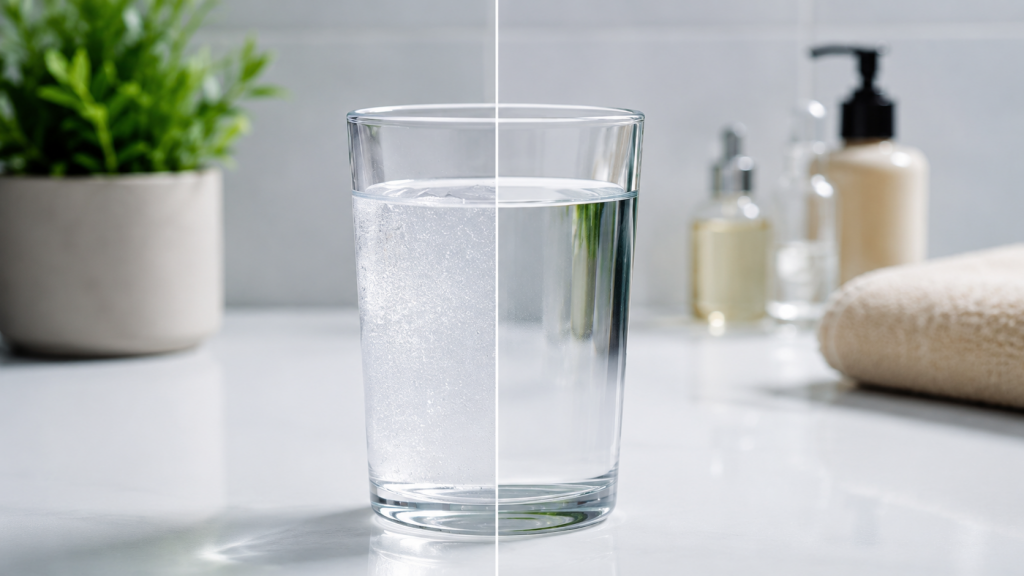
Fortunately, hard water hair damage is often reversible with consistent care. Recovery depends on the severity of mineral buildup and the overall condition of your hair. Most people notice smoother, shinier hair within 2–4 weeks after using clarifying shampoos or switching to softer water. More severe damage, particularly in chemically treated or long hair, may require 2–3 months of consistent care before significant improvement becomes visible.
Use a Clarifying or Chelating Shampoo
Clarifying and chelating shampoos contain ingredients such as EDTA or citric acid, which bind to calcium and magnesium deposits, helping remove mineral buildup without excessive scrubbing. Using these shampoos every one to two weeks can restore softness and improve manageability.
Restore Hair Moisture
Follow cleansing with a moisturizing conditioner or deep-conditioning mask containing glycerin, ceramides, panthenol, argan oil, or coconut oil. These ingredients improve moisture retention and help repair the damaged hair cuticle. You may read our article on the importance of Hydration for hair.
Reduce Mineral Exposure
Installing a filtered showerhead or whole-house water softener reduces mineral deposits before they reach your hair. An occasional diluted apple cider vinegar rinse may also help dissolve surface mineral buildup, although excessive use should be avoided to prevent scalp irritation.
Minimize Additional Hair Damage
Reduce heat styling, avoid harsh chemical treatments, protect hair from UV exposure and trim split ends regularly while healthier hair grows.
Conclusion
Water quality plays a crucial role in maintaining healthy hair. Hard water doesn’t permanently damage hair follicles, but it can leave behind mineral deposits that weaken the hair shaft, increase breakage, reduce shine and make hair dry and difficult to manage. Fortunately, recognizing the signs of hard water damaging the hair, using chelating shampoos, restoring moisture, and reducing mineral exposure can effectively protect your hair. By adopting a science-backed hair care routine, you can minimize the effects of hard water and maintain stronger, healthier and more resilient hair.