
Introduction
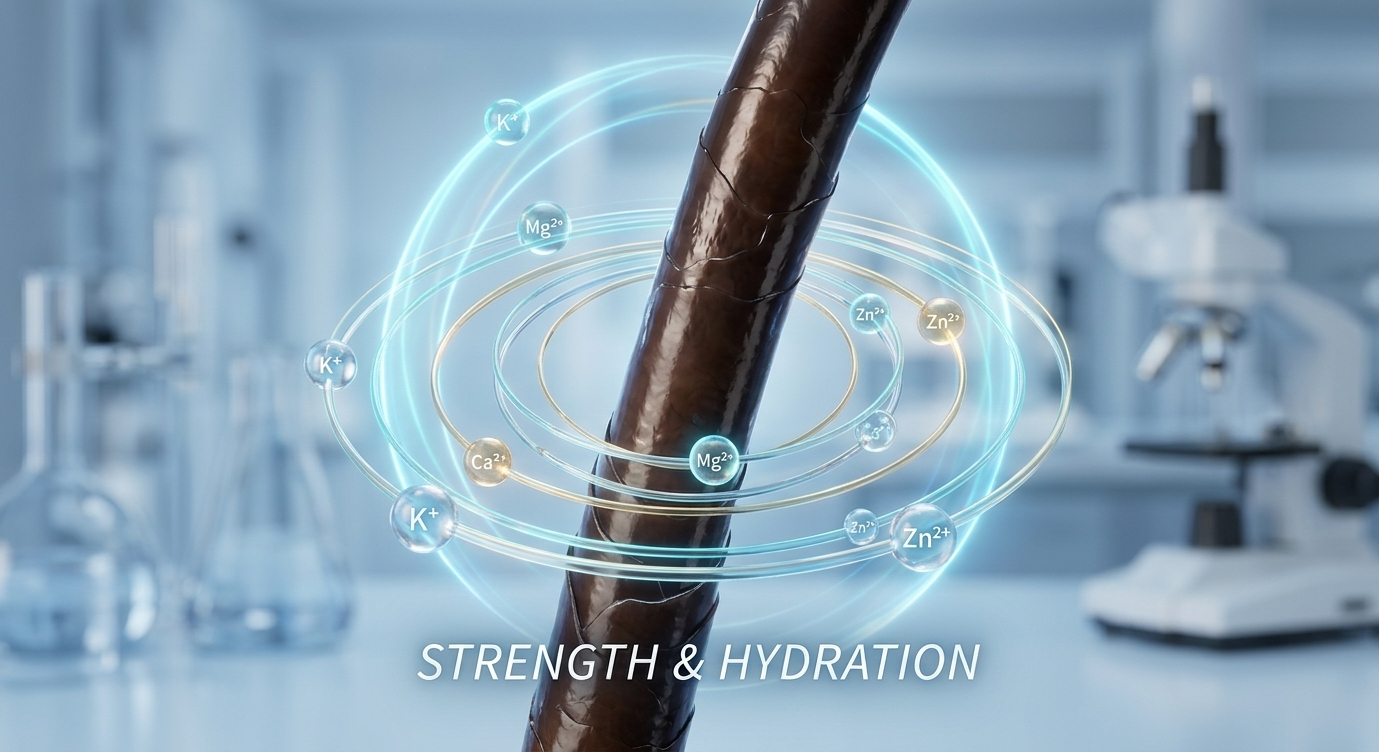
Healthy hair requires more than shampoo and hair oils. Proper hydration, electrolytes, balanced nutrition and consistent hair care help maintain scalp health and support normal hair growth. Although drinking extra water cannot guarantee faster growth or prevent hair loss, smart hydration is an important part of a healthy routine.
Understanding what to drink, which foods to eat and how to distinguish hair hydration from moisture can help you make better hair-care decisions.
How Does Hydration Affect Hair Health?
Water supports essential body functions, including temperature regulation, nutrient transport and cellular activity. Maintaining adequate hydration is particularly important in hot weather or during physical activity.
However, the connection between drinking water and hair growth is often misunderstood. Hair follicles require adequate nutrients and normal physiological function, but there is limited direct evidence that drinking more water stimulates faster hair growth. Dry hair does not automatically mean your body is dehydrated.
For healthier hair, combine adequate fluid intake with a nutritious diet and appropriate scalp care rather than relying on hydration alone. Read our article to understand the importance of hydration for hair.
What to Drink to Support Healthy Hair Growth
1. Water and Daily Hydration
Water is generally the best drink for maintaining hydration. Your daily fluid needs depend on your climate, activity level, diet and overall health. Drinking regularly throughout the day and increasing fluid intake when sweating heavily can help maintain fluid balance.
Avoid forcing excessive amounts of water. Instead, respond to thirst and maintain consistent drinking habits.
2. Do Electrolyte Drinks Help Hair Growth?
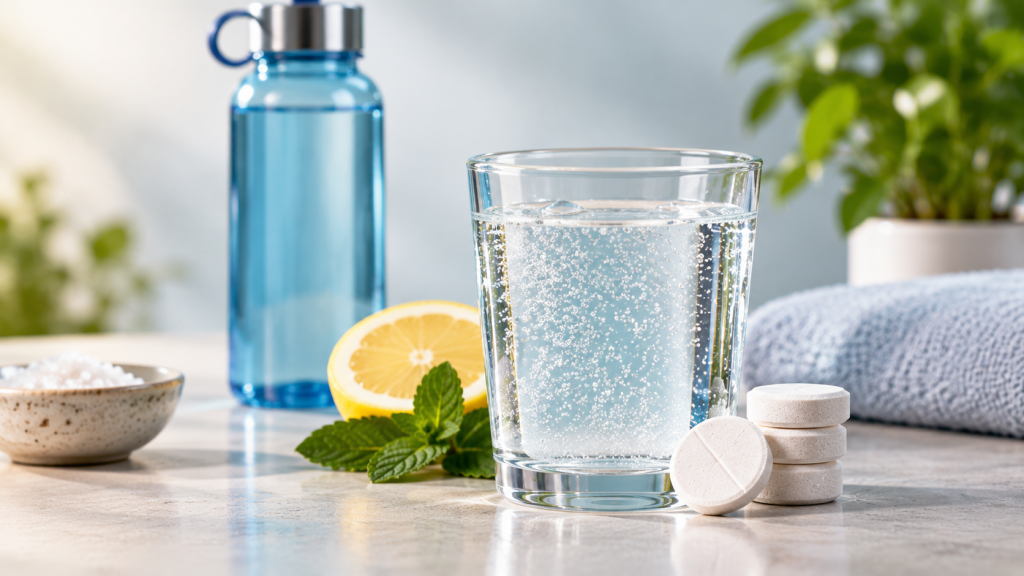
Electrolytes such as sodium, potassium and magnesium help regulate fluid balance and support nerve and muscle function. Electrolyte drinks may be useful after heavy sweating or significant fluid loss, but they are not proven hair-growth treatments.
Most people obtain sufficient electrolytes through a balanced diet. Choose water for everyday hydration unless additional electrolytes are needed.
Natural Ingredients That Support Hair Growth
Fruits and Nutrient-Rich Foods
If you want thicker, fuller hair, prioritize nutrient-rich foods rather than searching for a single miracle ingredient. Berries, citrus fruits, bananas, leafy greens, eggs, beans, nuts, seeds and fish provide nutrients that support overall health.
Vitamin C helps the body absorb iron from plant foods and supports collagen production. Iron, zinc and protein are also important for normal hair follicle function. Bananas provide potassium, but eating them daily has not been proven to stop hair loss.
A scientific discusses the potential relationship between micronutrient deficiencies and hair loss. The authors emphasize that more high-quality research is needed to establish the benefits of supplementation for hair growth (source).
Natural Ingredients That Boost Hair Growth
Protein-rich foods and adequate essential nutrients help support normal hair growth. However, natural ingredients are not automatically effective treatments. Supplements are most useful when a deficiency or specific nutritional need has been identified.
Hair Hydration vs. Moisture
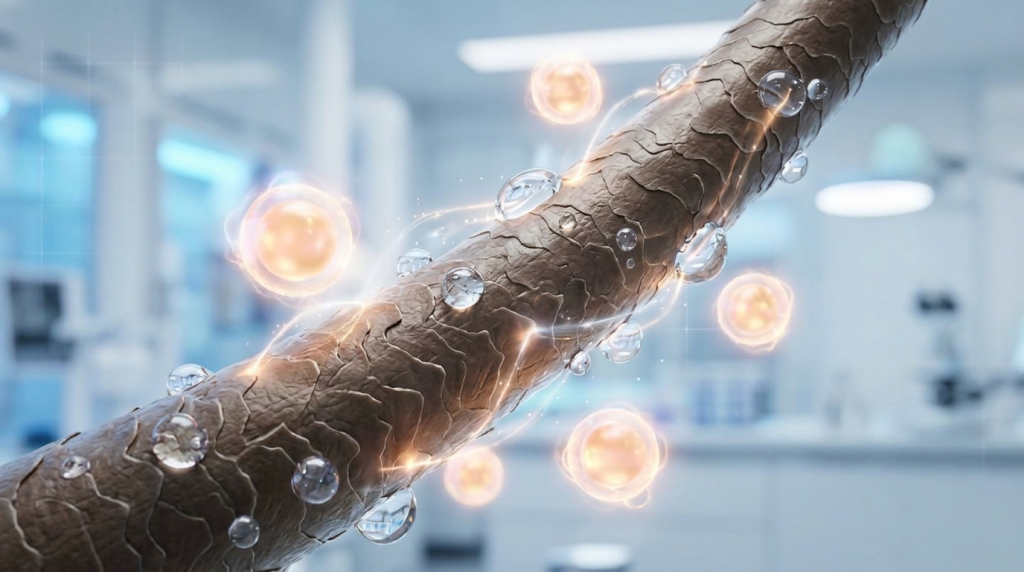
Body hydration and hair moisture are different. Hydration concerns your body’s water balance, while hair moisture refers to the condition of the hair shaft and its ability to retain water.
If your hair feels rough, frizzy, brittle or straw-like, it may need conditioning rather than additional drinking water. Hair-care ingredients such as glycerin can help attract moisture under suitable conditions, while conditioners improve softness and manageability. Suitable hair oils may reduce friction and help limit moisture loss.
To improve dry hair, use a gentle shampoo, apply conditioner after washing, limit excessive heat styling and avoid harsh chemical treatments. Choose moisturizing products according to your hair type.
Can Dehydration Cause Hair Loss?
Dehydration is not an established direct cause of common hair-loss conditions, including pattern hair loss. Persistent shedding may instead be associated with iron deficiency, thyroid disorders, hormonal changes, illness, stress, medications or inadequate nutrition.
If you experience persistent hair loss, sudden excessive shedding or bald patches, consult a healthcare professional. Identifying the underlying cause is more effective than relying solely on hair oils, hydration drinks or supplements.
Conclusion
Smart hydration, balanced nutrition and consistent hair care work together to support healthier-looking hair. Drink enough water, eat nutrient-rich foods and use suitable moisturizing products without expecting any single drink or ingredient to reverse hair loss.