
Introduction
Oxidative stress occurs when your body produces more reactive oxygen species (ROS) than its antioxidant defenses can handle. These unstable molecules damage cells, proteins and DNA, increasing the risk of chronic inflammation, premature aging, cardiovascular disease, diabetes, neurodegenerative disorders and certain cancers. Fortunately, one of the most effective ways to reduce oxidative stress is by eating a diet rich in natural antioxidants. These nutrients help neutralize free radicals before they can harm healthy cells.
What Is Oxidative Stress and Why Does It Matter?
Oxidative stress develops when free radicals overwhelm the body’s natural antioxidant defense system. While ROS are produced naturally during metabolism, factors such as pollution, smoking, UV radiation, chronic stress, poor diet, and lack of sleep can significantly increase their production.
Persistent oxidative stress contributes to chronic inflammation, accelerates aging and may damage DNA, increasing the risk of diseases including heart disease, Alzheimer’s disease and certain cancers. Antioxidants naturally present in foods help stabilize these unstable molecules by donating electrons, preventing further cellular damage. You may read our article to understand oxidative stress.
Maintaining a diet rich in antioxidant-containing foods is one of the simplest and most effective strategies to reduce oxidative stress naturally.
How Antioxidants Neutralize Free Radicals?
Antioxidants are protective compounds that safely neutralize free radicals before they damage healthy tissues. They work by donating an electron to unstable molecules without becoming unstable themselves, effectively stopping harmful chain reactions.
Your body also produces antioxidants such as glutathione, but diet remains essential because nutrients like vitamin C, vitamin E, selenium, flavonoids and polyphenols strengthen your antioxidant defense system. Research suggests that obtaining antioxidants from whole foods provides greater health benefits than relying solely on supplements because foods contain numerous protective compounds that work together.
Best Foods To Neutralize Oxidative Stress
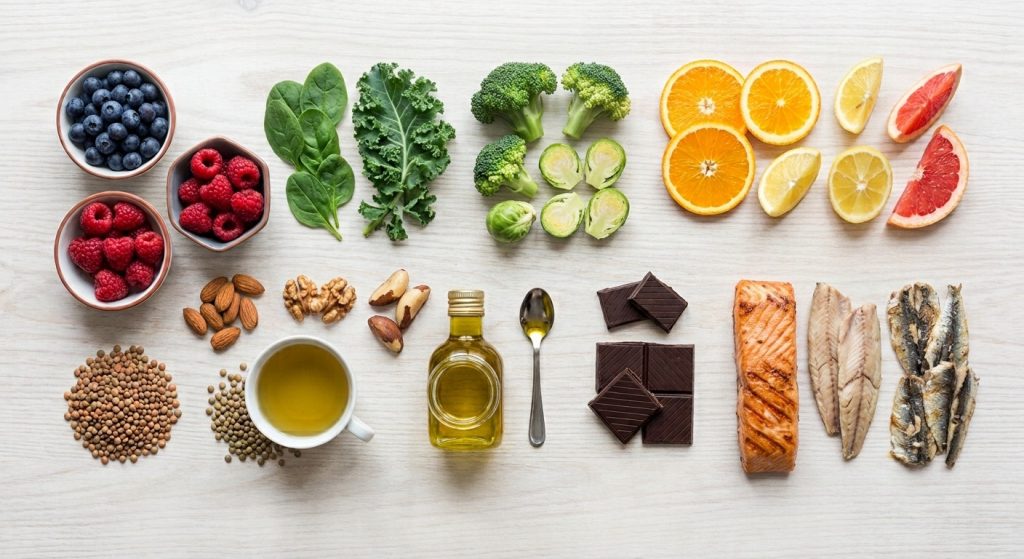
No single food is the “strongest antioxidant.” Instead, eating a wide variety of colorful plant foods provides the greatest protection.
Berries
Blueberries, strawberries, raspberries and blackberries are rich in anthocyanins and vitamin C, which help reduce oxidative damage and inflammation.
Leafy Green Vegetables
Spinach and kale provide vitamins C and E, carotenoids and lutein that protect cells against oxidative injury.
Broccoli and Brussels Sprouts
These cruciferous vegetables contain sulforaphane, a compound that activates the body’s own antioxidant enzymes.
Citrus Fruits
Oranges, lemons and grapefruits supply abundant vitamin C, an essential antioxidant that helps regenerate other antioxidants in the body.
Nuts and Seeds
Almonds, walnuts, sunflower seeds and Brazil nuts provide vitamin E, selenium, and healthy fats that protect cell membranes from oxidative damage.
Beans and Legumes
Lentils, chickpeas and beans contain polyphenols, fiber and minerals that support antioxidant activity and reduce inflammation.
Green Tea
Green tea is rich in catechins, especially EGCG, which have been widely studied for their antioxidant and anti-inflammatory effects.
Extra Virgin Olive Oil
Packed with polyphenols and healthy monounsaturated fats, olive oil is a key component of the Mediterranean diet and supports long-term cellular health.
Dark Chocolate
Dark chocolate containing at least 70% cocoa provides flavonoids that may help improve antioxidant status when consumed in moderation.
Fatty Fish
Salmon, sardines and mackerel supply omega-3 fatty acids that reduce inflammation associated with oxidative damage.
Foods That Increase Oxidative Stress
Certain dietary habits can increase free radical production and worsen oxidative damage.
Limit:
- Sugary beverages and refined carbohydrates
- Ultra-processed snacks
- Deep-fried foods
- Processed meats
- Foods containing trans fats
- Excessive alcohol
These foods promote inflammation and increase oxidative stress, especially when consumed regularly (source). Replacing processed foods with whole, nutrient-dense options helps restore antioxidant balance.
Three Essential Vitamins That Fight Free Radicals
Vitamin C
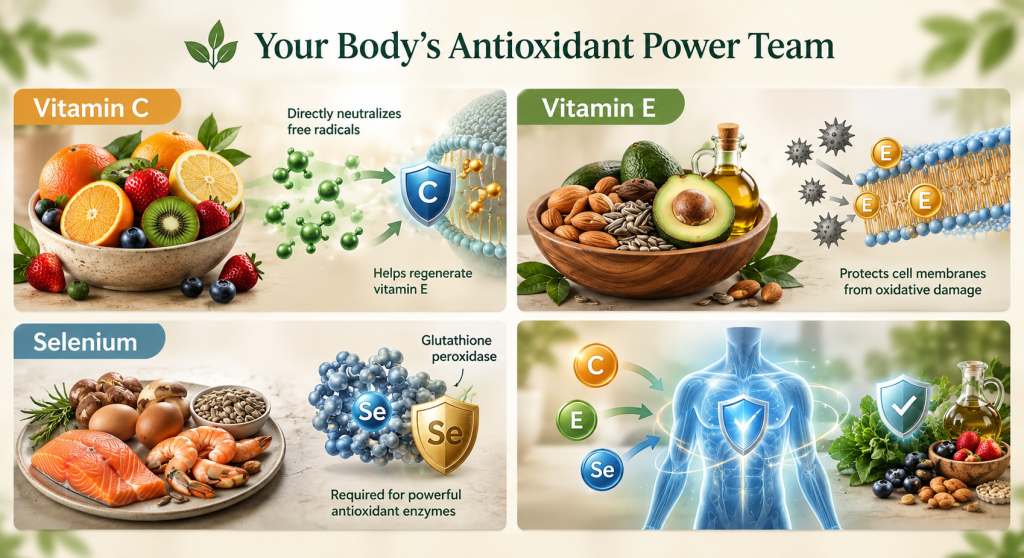
Found in citrus fruits, strawberries, kiwi and bell peppers, vitamin C directly neutralizes free radicals while helping regenerate vitamin E.
Vitamin E
Present in almonds, sunflower seeds and avocados, vitamin E protects cell membranes from oxidative damage caused by lipid peroxidation.
Selenium
Brazil nuts, seafood, eggs and whole grains provide selenium, a mineral required for glutathione peroxidase, one of the body’s most powerful antioxidant enzymes (National Institutes of Health, Office of Dietary Supplements).
Together, these nutrients strengthen your body’s natural antioxidant response and help reduce oxidative damage.
Simple Daily Habits to Reduce Oxidative Stress
Along with eating antioxidant-rich foods:
- Eat colorful fruits and vegetables every day.
- Exercise regularly but avoid overtraining.
- Sleep 7–9 hours each night.
- Stay hydrated.
- Manage stress through mindfulness or meditation.
- Avoid smoking and excessive alcohol.
Small lifestyle improvements combined with a healthy diet provide lasting protection against oxidative damage.
Conclusion
Choosing the best foods to neutralize oxidative stress is one of the most effective ways to protect your cells and support long-term health. A diet rich in berries, leafy greens, cruciferous vegetables, nuts, legumes, green tea, olive oil and fatty fish supplies powerful antioxidants that help neutralize free radicals and reduce inflammation naturally. Combined with healthy lifestyle habits, these foods can strengthen your body’s defenses against chronic disease and healthy aging.