
Introduction
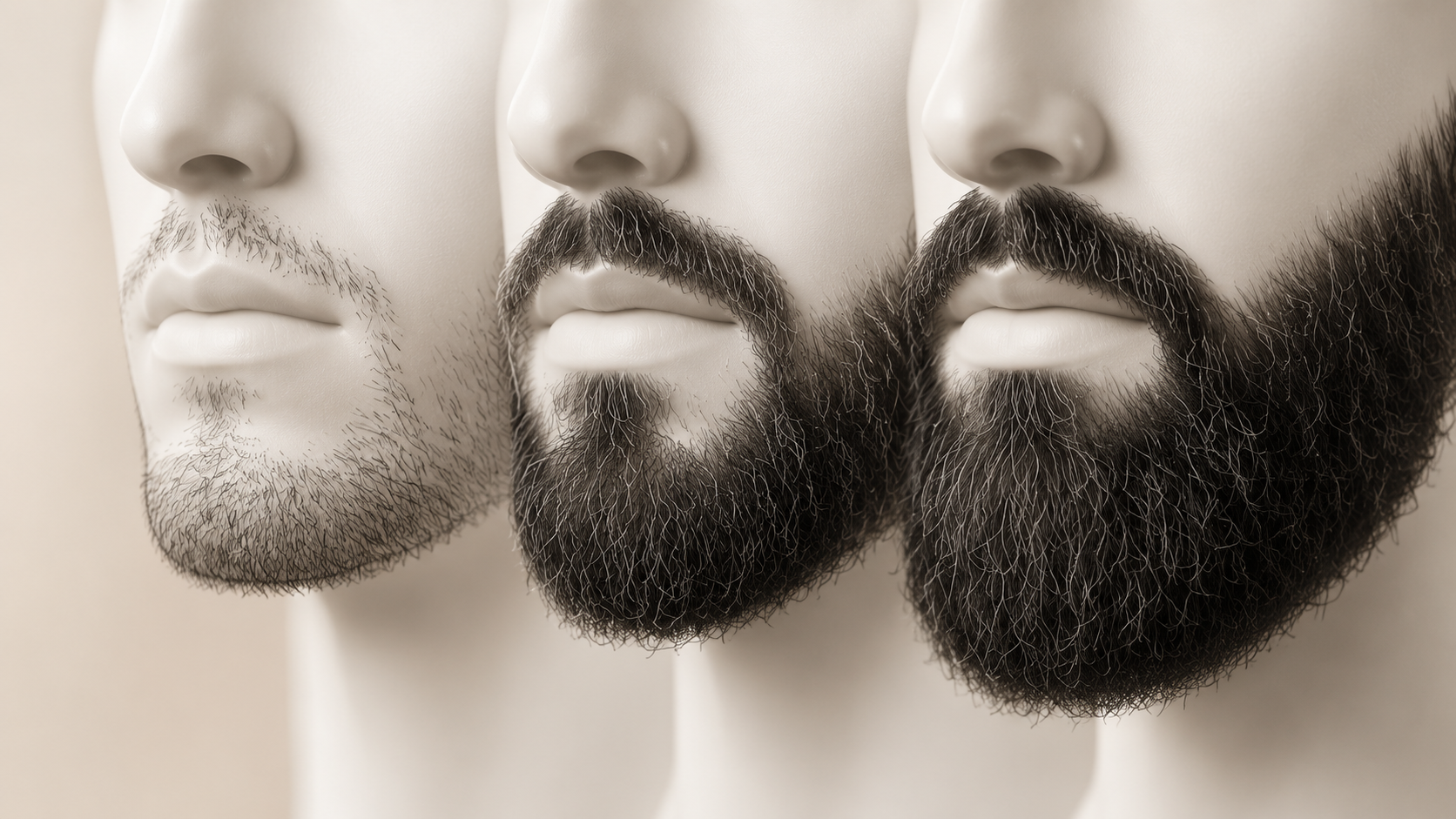
Beard density varies widely among men, from light stubble to thick, full beards. While many believe that higher testosterone alone determines facial hair, science shows that genetics, hormone sensitivity, age and hair follicle biology all play essential roles. Beard growth is a secondary sexual characteristic that develops during puberty and continues to mature into adulthood. Understanding the biology of beard density can help explain why some men grow fuller beards than others and what evidence-based methods may support healthier beard growth.
The Biology Behind Beard Growth
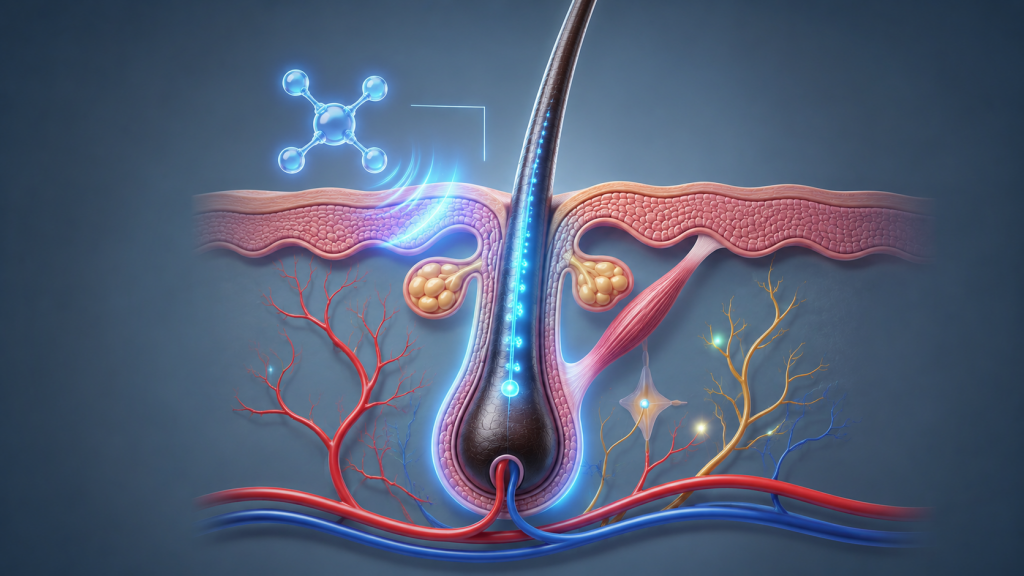
Beard growth in males begins during puberty when rising testosterone levels stimulate facial hair follicles. However, the hormone dihydrotestosterone (DHT)—a more potent form of testosterone—is primarily responsible for activating beard follicles. These follicles produce keratin, the structural protein that forms beard hair. Research has shown that beard development depends on the interaction between androgens and androgen receptors within hair follicles rather than testosterone levels alone.
Like scalp hair, beard hair follows a natural growth cycle consisting of three phases:
- Anagen (growth phase): Hair actively grows for several months to years.
- Catagen (transition phase): Hair growth slows as the follicle shrinks.
- Telogen (resting phase): Hair sheds, allowing a new strand to grow.
You may read our article to understand about he above stages of “Hair Growth Cycle”. Compared with scalp hair, beard follicles typically produce thicker and coarser hair because they respond differently to androgen hormones. This biological process explains how growing a beard works and why facial hair continues developing throughout early adulthood.
What Determines Beard Density?
Genetics Play the Biggest Role
The most important factor affecting beard density is genetics. Genes determine the number of facial hair follicles, their distribution across the face, and how sensitive they are to DHT. Scientific studies suggest that beard-related genes are inherited from both parents, not exclusively from the mother’s side as commonly believed.
However, beard growth is not 100% genetic. Lifestyle, nutrition, hormones and overall health also influence how effectively existing follicles produce hair.
Hormones Influence Beard
Although testosterone initiates beard development, having a thick beard does not necessarily mean a man has exceptionally high testosterone levels. Instead, follicle sensitivity to DHT largely determines beard thickness. Likewise, low beard density does not automatically indicate low testosterone, as genetics often explain patchy or sparse facial hair (source).
Age Matters
Many men continue to notice improvements in beard density until their late twenties or early thirties. As androgen activity and follicle maturity increase over time, facial hair often becomes fuller and more evenly distributed. This explains why beards frequently get thicker with age, even after puberty has ended.
Can You Increase Beard Density Scientifically?
While genetics cannot be changed, several science-backed strategies may help maximize your beard’s natural potential.
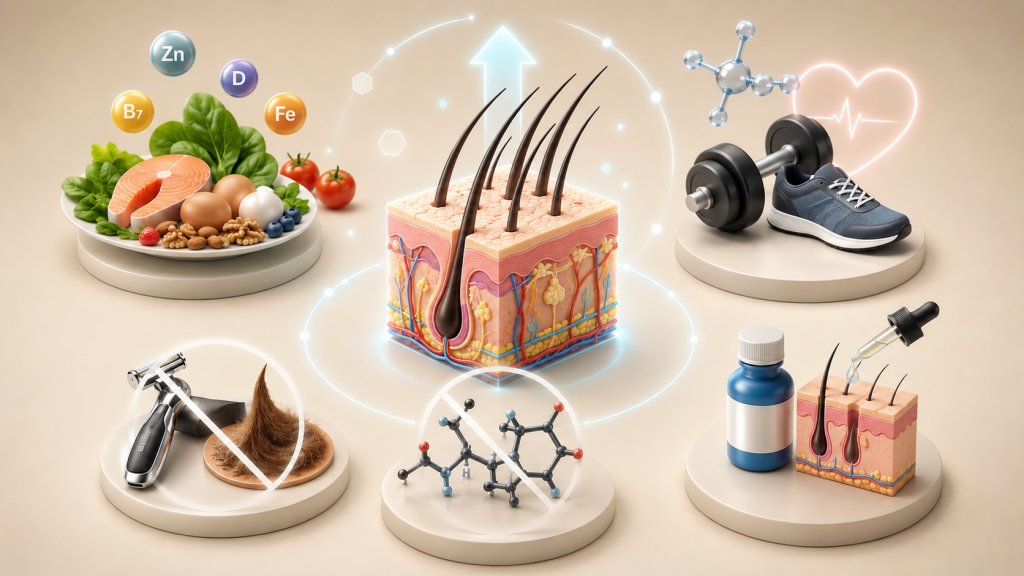
A protein-rich diet provides amino acids needed to build keratin, while nutrients such as zinc, vitamin D, biotin, and iron support healthy hair follicle function. Nutritional deficiencies have been linked to impaired hair growth and shedding.
Regular exercise, quality sleep and stress management also help maintain balanced hormone levels that support healthy beard growth. Good skincare keeps follicles free from excess oil and dead skin, promoting healthier hair emergence.
Among medical treatments, topical minoxidil has shown evidence of improving facial hair growth in some individuals by prolonging the hair growth phase, although results vary and should be discussed with a healthcare professional.
In contrast, beard oils and beard serums mainly moisturize hair and skin, improving appearance rather than increasing the number of hair follicles. Many commercial products claiming dramatic beard growth lack strong clinical evidence.
Common Myths About Beard Density
Several myths continue to surround beard biology.
Myth: More testosterone always means a thicker beard.
Fact: Follicle sensitivity to DHT is often more important than total testosterone levels.
Myth: Shaving makes your beard grow back thicker.
Fact: Scientific studies show shaving only creates a blunt hair tip, making new growth appear thicker without increasing density.
Myth: Beard growth is completely genetic.
Fact: Genetics are the primary factor, but nutrition, hormones, age and general health also influence beard development.
Myth: Patchy beards cannot improve.
Fact: Many patchy beards naturally become fuller with age as additional follicles mature.
Ethnicity may influence average beard characteristics due to genetic variation, but significant differences also exist between individuals within the same population.
Conclusion
The biology of beard density is shaped primarily by genetics, hormone sensitivity, and hair follicle biology. While DHT activates facial hair follicles, beard thickness depends largely on inherited follicle characteristics rather than testosterone alone. Age, nutrition, healthy lifestyle habits, and evidence-based treatments can help maximize natural beard growth, but no product can permanently create new follicles. Understanding the science behind beard density helps separate proven facts from common myths, allowing men to set realistic expectations for facial hair development.