
Introduction
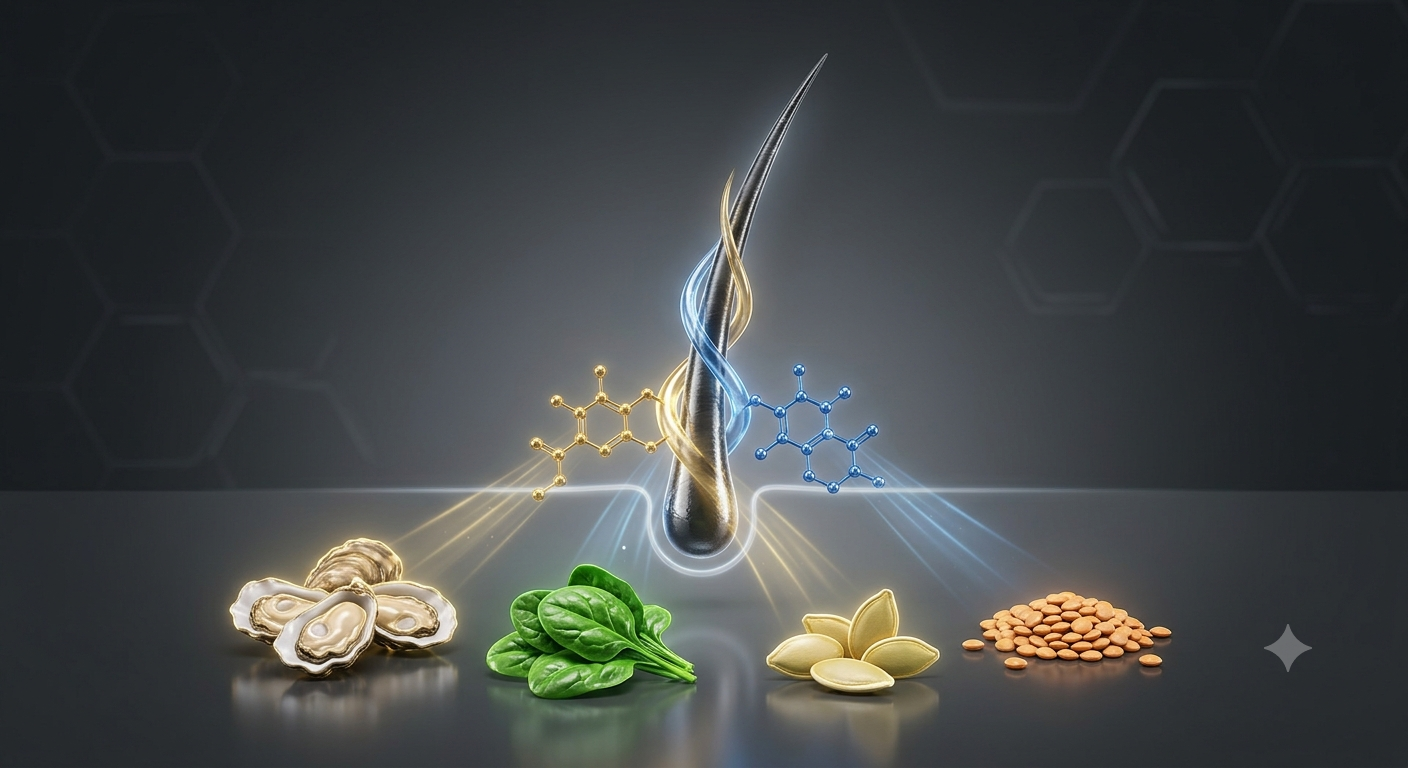
Among the essential nutrients for healthy hair, zinc & iron play a crucial role in maintaining strong hair follicles and supporting the hair growth cycle. Hair thinning is a common concern that can result from genetics, stress, hormonal changes, or nutritional deficiencies. A diet rich in zinc-rich foods for hair growth and iron-rich foods for hair growth may help reduce excessive shedding and improve hair strength. While supplements are sometimes necessary, obtaining these minerals through whole foods is generally the safest and most effective approach.
Why Zinc and Iron Matter for Hair Growth
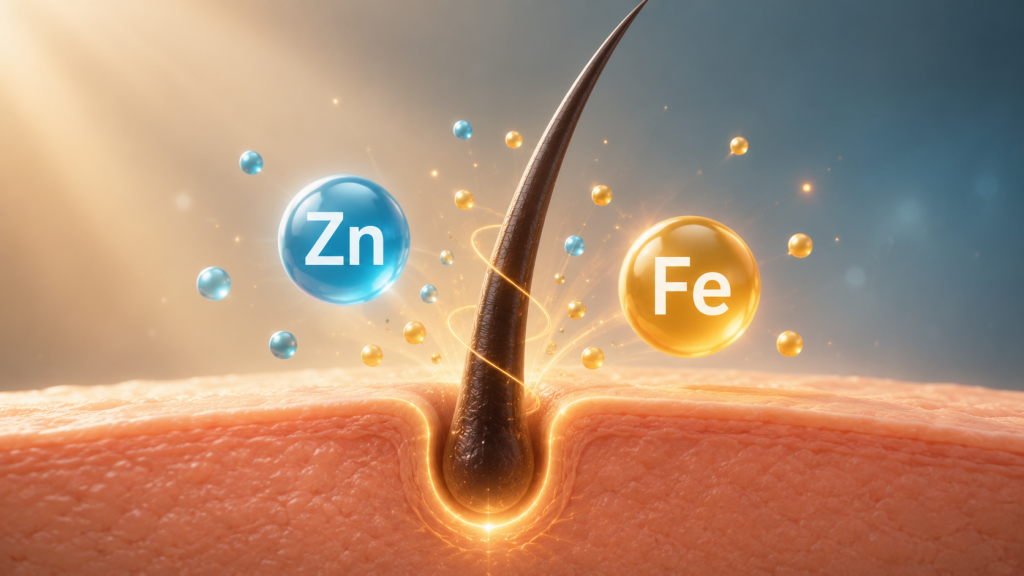
Hair follicles are among the body’s most metabolically active structures, requiring a constant supply of nutrients to produce healthy strands. Zinc is essential for keratin synthesis, tissue repair and the proper function of the oil glands surrounding hair follicles. It also supports cell division, a process necessary for continuous hair growth. Research suggests that zinc deficiency is associated with telogen effluvium and other forms of hair loss.
Iron is equally important because it helps red blood cells transport oxygen to hair follicles. Without sufficient oxygen, hair follicles cannot function efficiently, leading to slower growth and increased shedding. Low iron stores, especially reduced ferritin levels, have been linked with diffuse hair loss in women (source). Together, zinc and iron help maintain healthy hair follicles, promote keratin production, and support stronger, more resilient hair.
Best Zinc & Iron Foods for Stronger Hair
Zinc-Rich Foods for Hair Growth
Including foods high in zinc for hair growth can help maintain healthy follicles and reduce the risk of deficiency.
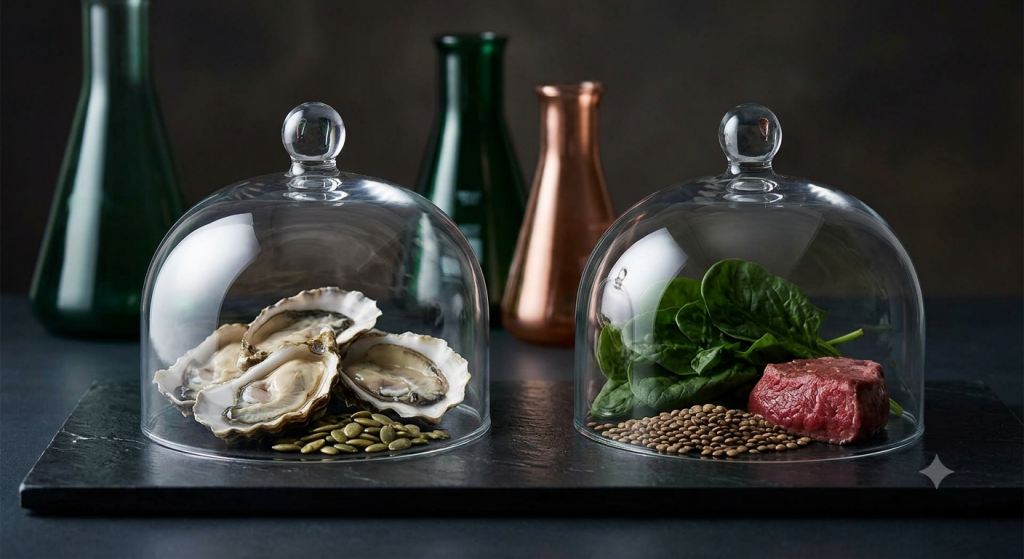
- Oysters: One of the richest natural sources of zinc, supporting keratin production and hair repair.
- Pumpkin Seeds: Packed with zinc, magnesium, and antioxidants that nourish the scalp.
- Lean Beef: Provides highly absorbable zinc along with high-quality protein essential for hair structure.
- Chickpeas and Lentils: Excellent plant-based sources of zinc, protein, and fiber.
- Cashews: Contain zinc, healthy fats, and copper that support hair pigmentation and strength.
- Eggs: Rich in zinc, protein, and biotin, making them a valuable food for stronger hair.
Iron-Rich Foods for Hair Growth
If you’re wondering which food has iron and zinc for hair growth, several foods provide one or both minerals.
- Spinach: A good source of non-heme iron, folate, and vitamin A.
- Lean Red Meat: Supplies highly absorbable heme iron and zinc.
- Lentils and Beans: Plant-based iron sources that also provide protein.
- Tofu: A nutritious option for vegetarians seeking iron.
- Quinoa: Contains iron, protein, and essential amino acids.
- Fortified Cereals: Can help increase iron intake, particularly in individuals with higher nutritional needs.
To maximize absorption of plant-based iron, pair these foods with vitamin C-rich options such as oranges, strawberries, bell peppers, or tomatoes. Vitamin C significantly enhances non-heme iron absorption.
Can Zinc and Iron Deficiency Cause Hair Thinning?
Yes, deficiencies in these minerals can contribute to hair thinning, although they are not the only causes. Zinc deficiency hair loss often presents as diffuse shedding, slower hair growth and brittle strands. Iron deficiency, particularly when ferritin levels are low, may interrupt the normal hair growth cycle and increase hair shedding.
Common signs include excessive hair fall, weak or brittle hair, fatigue, and slow hair regrowth. However, not everyone experiencing hair loss has a nutrient deficiency. Medical evaluation and blood tests can identify whether low zinc or iron levels are contributing to the problem before starting supplements.
Foods First or Supplements?
Whole foods should always be the first choice for meeting nutritional needs because they provide additional vitamins, minerals, antioxidants, and protein that work together to support hair health. While many people search for the best zinc supplement for hair loss or the best iron tablets for hair growth, supplements are most beneficial when a healthcare provider confirms a deficiency.
Excessive zinc intake may interfere with copper absorption, while too much iron can be harmful and increase oxidative stress. Therefore, avoid self-prescribing zinc tablets for hair or iron supplements without professional guidance.
Simple Tips to Maximize Hair Growth Nutrition
Supporting healthy hair requires more than zinc and iron alone. Follow these simple habits:
- Eat enough protein to support keratin production.
- Pair plant-based iron sources with vitamin C-rich foods.
- Include healthy fats, fruits, vegetables, and whole grains in your diet.
- Stay hydrated to maintain scalp health.
- Avoid restrictive diets that may cause nutrient deficiencies.
- Manage stress and prioritize quality sleep to support the natural hair growth cycle.
These habits work together to create the ideal nutritional environment for stronger, healthier hair.
Conclusion
Choosing the Best Zinc & Iron Foods for Stronger Hair is a natural way to nourish hair follicles and support long-term hair health. Foods like oysters, lean meat, spinach, pumpkin seeds, eggs, lentils, and beans provide essential nutrients that strengthen hair from within. While supplements may help individuals with diagnosed deficiencies, a balanced diet remains the most effective strategy for promoting thicker, healthier hair and reducing nutrient-related hair thinning.