
Introduction
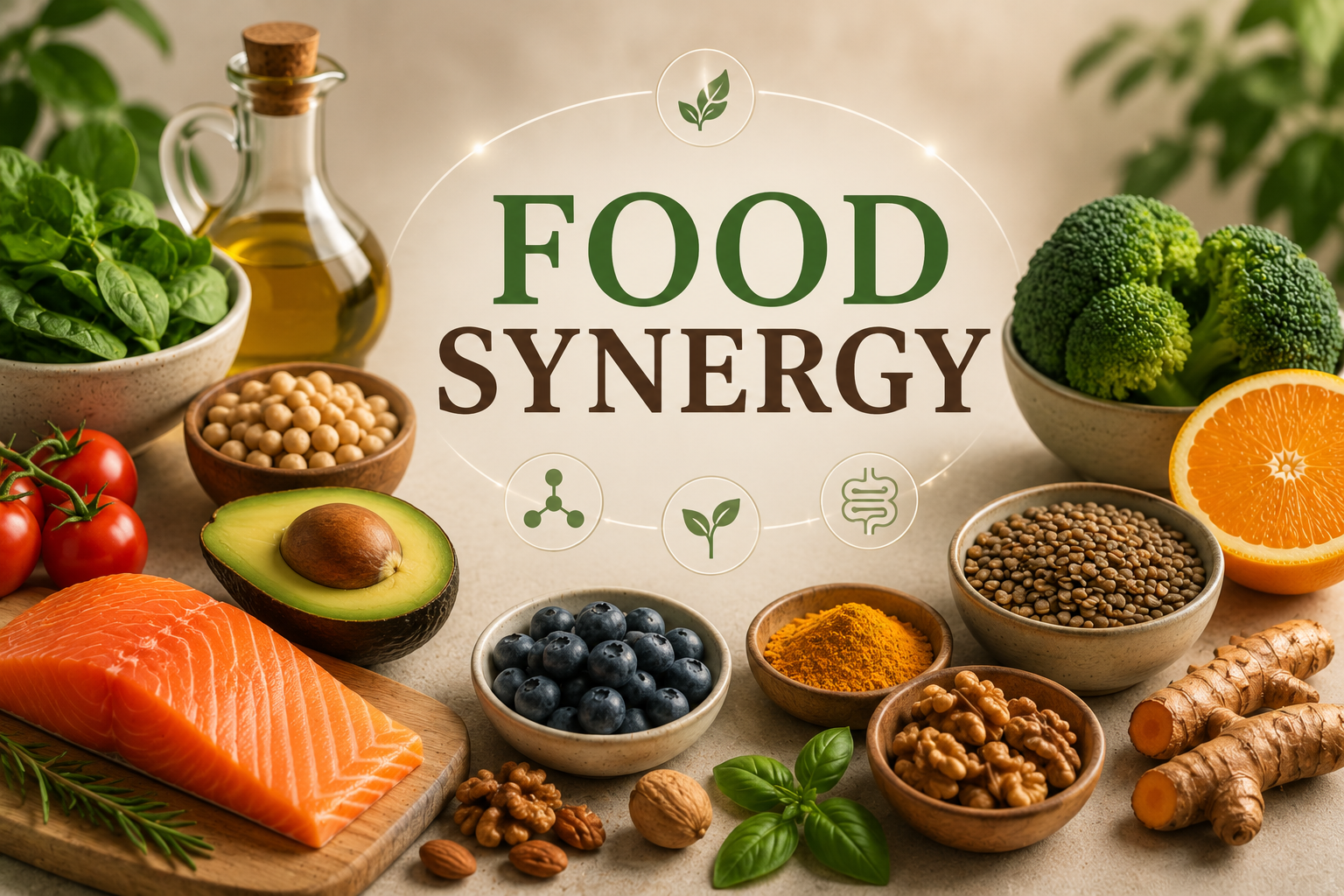
We often focus on eating “superfoods,” but the real secret to better nutrition lies in food synergy—the science of combining foods so they work together to improve nutrient absorption and overall health. Certain food synergy combinations increase the bioavailability of vitamins, minerals, antioxidants and healthy fats, allowing your body to make better use of every meal. Whether your goal is stronger immunity, healthier bones, or improved energy levels, understanding nutrient synergy food combinations can make a significant difference.
What Is Food Synergy?
Food synergy refers to the way different foods interact to produce greater health benefits than when eaten separately. Instead of viewing nutrients in isolation, nutrition science recognizes that vitamins, minerals, fiber and plant compounds work together within whole foods to enhance digestion, absorption and metabolism.
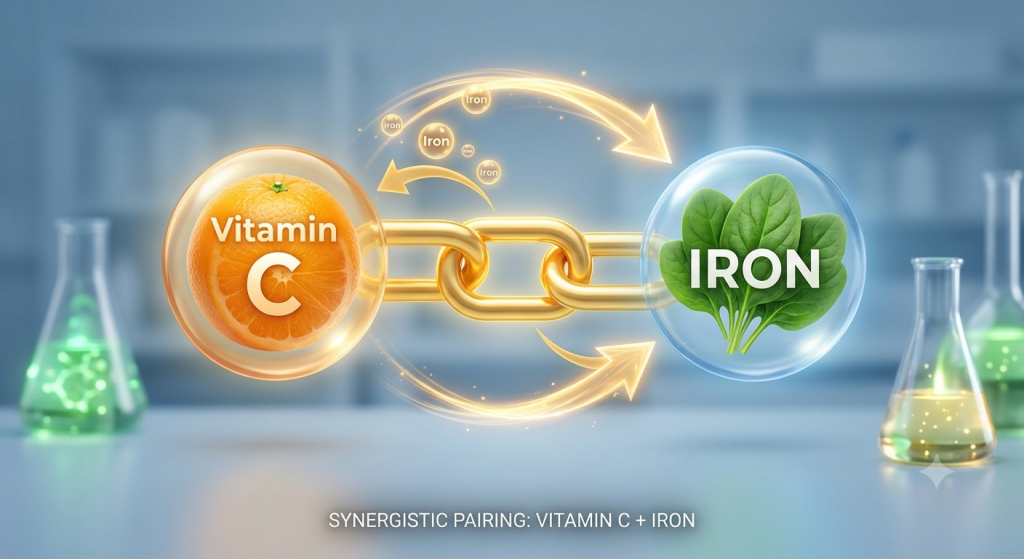
For example, eating spinach alone provides iron, but pairing it with vitamin C-rich oranges significantly increases iron absorption. This concept, known as nutrient synergy, highlights why balanced meals are often more effective than individual supplements.
How Food Synergy Improves Nutrient Absorption
Not all nutrients are absorbed equally. Their absorption depends on digestive health, gut microbiota, meal composition, and the presence of complementary nutrients. This process, known as nutrient bioavailability, determines how much of a nutrient your body can actually use.
For instance, fat-soluble vitamins (A, D, E, and K) require healthy dietary fats for optimal absorption. Likewise, vitamin C converts plant-based iron into a more absorbable form, making iron-rich foods far more effective when paired with citrus fruits.
Maintaining a healthy gut also improves nutrient uptake. Beneficial gut bacteria help break down food, produce certain vitamins and support the absorption of minerals, emphasizing why digestive health is essential for overall nutrition.
Best Food Synergy Combinations
Choosing the right food synergy combinations can naturally improve nutrient absorption and maximize health benefits.
Vitamin C + Iron
Pair spinach, lentils, beans, or chickpeas with oranges, strawberries, tomatoes, or bell peppers. Vitamin C significantly increases the absorption of plant-based (non-heme) iron, reducing the risk of iron deficiency (source).
Healthy Fats + Vitamins A, D, E & K
Leafy greens, carrots and sweet potatoes become even more nutritious when eaten with olive oil, avocado, nuts, or seeds. Healthy fats help your body absorb fat-soluble vitamins more efficiently.
Turmeric + Black Pepper
Curcumin, the active compound in turmeric, has relatively low bioavailability on its own. Piperine, found in black pepper, can increase curcumin absorption by up to 2,000%, making this one of the most effective food synergy examples.
Tomatoes + Olive Oil
Cooking tomatoes with olive oil improves the absorption of lycopene, a powerful antioxidant associated with heart and prostate health.
Yogurt + Bananas
This combination provides probiotics and prebiotic fiber, supporting beneficial gut bacteria that contribute to better digestion and nutrient absorption.
Beans + Rice
Together, these foods supply complementary amino acids, creating a complete protein source while providing fiber, vitamins and minerals.
Food Combinations That May Reduce Nutrient Absorption
While many foods complement each other, some combinations may decrease nutrient absorption.
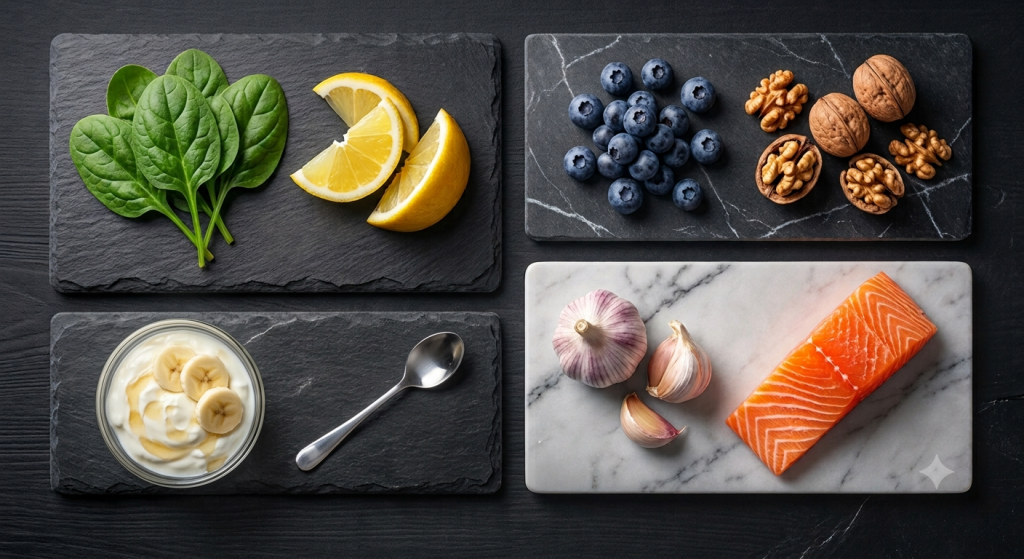
Drinking tea or coffee with iron-rich meals can reduce non-heme iron absorption because tannins bind to iron. Similarly, taking large amounts of calcium supplements alongside iron supplements may interfere with iron uptake.
Very high intakes of unprocessed bran contain phytates, natural compounds that can reduce the absorption of zinc, calcium and iron when consumed in excessive amounts. However, soaking, fermenting, or cooking foods often reduces these effects.
Rather than avoiding these nutritious foods, simply consume them at different times of the day to maximize nutrient availability.
Tips to Maximize Nutrient Absorption Naturally
Improving nutrient absorption doesn’t require expensive supplements. Small dietary habits can make a noticeable difference:
- Eat a wide variety of colorful fruits and vegetables.
- Include healthy fats with meals containing fat-soluble vitamins.
- Pair plant-based iron with vitamin C-rich foods.
- Support gut health by eating probiotic and prebiotic foods.
- Cook vegetables appropriately, as light cooking can improve the availability of nutrients like lycopene and beta-carotene.
- Stay hydrated and limit excessive ultra-processed foods and alcohol, which may negatively affect digestive health.
These simple habits help your body absorb nutrients more efficiently while supporting long-term wellness.
Conclusion
Understanding food synergy helps you get more nutrition from the foods you already eat. By combining complementary ingredients, you can improve nutrient absorption, support digestive health, strengthen immunity and maximize the benefits of every meal. Instead of focusing on individual superfoods, build balanced meals that allow nutrients to work together naturally.