

Introduction
The Gut-Immune connection is one of the most fascinating discoveries in modern health science. Research suggests that nearly 70% of the body’s immune cells reside in the gastrointestinal tract, making the gut a critical component of immune defense. This explains why experts often emphasize the importance of the gut microbiota and immune health relationship.
The human gut contains trillions of microorganisms, collectively known as the gut microbiome. These beneficial microbes help regulate immune responses, maintain the intestinal barrier and protect against harmful pathogens. When the microbiome remains balanced, the immune system can effectively fight infections while minimizing unnecessary inflammation.
How Does the Gut Microbiome Affect the Immune System?
Many people ask, How does gut microbiome affect immune system function? The answer lies in the constant communication between gut bacteria and immune cells.
Beneficial bacteria produce metabolites known as short-chain fatty acids (SCFAs), including butyrate, acetate and propionate. These compounds help strengthen the intestinal barrier and regulate inflammatory pathways. SCFAs play a significant role in supporting immune homeostasis and reducing excessive inflammation.
The role of gut microbiota in immunity extends beyond digestion. Gut microbes help train immune cells to distinguish between harmless substances and potentially dangerous pathogens. This process is essential for maintaining balanced immune responses and preventing immune dysfunction. Conversely, an imbalance in gut bacteria, known as dysbiosis, may weaken immune defenses and increase susceptibility to infections, allergies, and inflammatory disorders.
Signs Your Gut Health May Be Affecting Immunity
Since gut microbiota and immune response are closely connected, poor gut health often affects overall wellness. Common signs of an unhealthy gut include:
- Frequent infections or colds
- Bloating, gas, or digestive discomfort
- Food sensitivities
- Fatigue and low energy levels
- Irregular bowel movements
- Skin problems such as eczema or acne
- Increased inflammation
Research indicates that disruptions in gut microbial diversity may contribute to chronic inflammation and impaired immune regulation. If these symptoms persist, improving gut health may help support immune function.
The Gut-Brain-Immune Connection
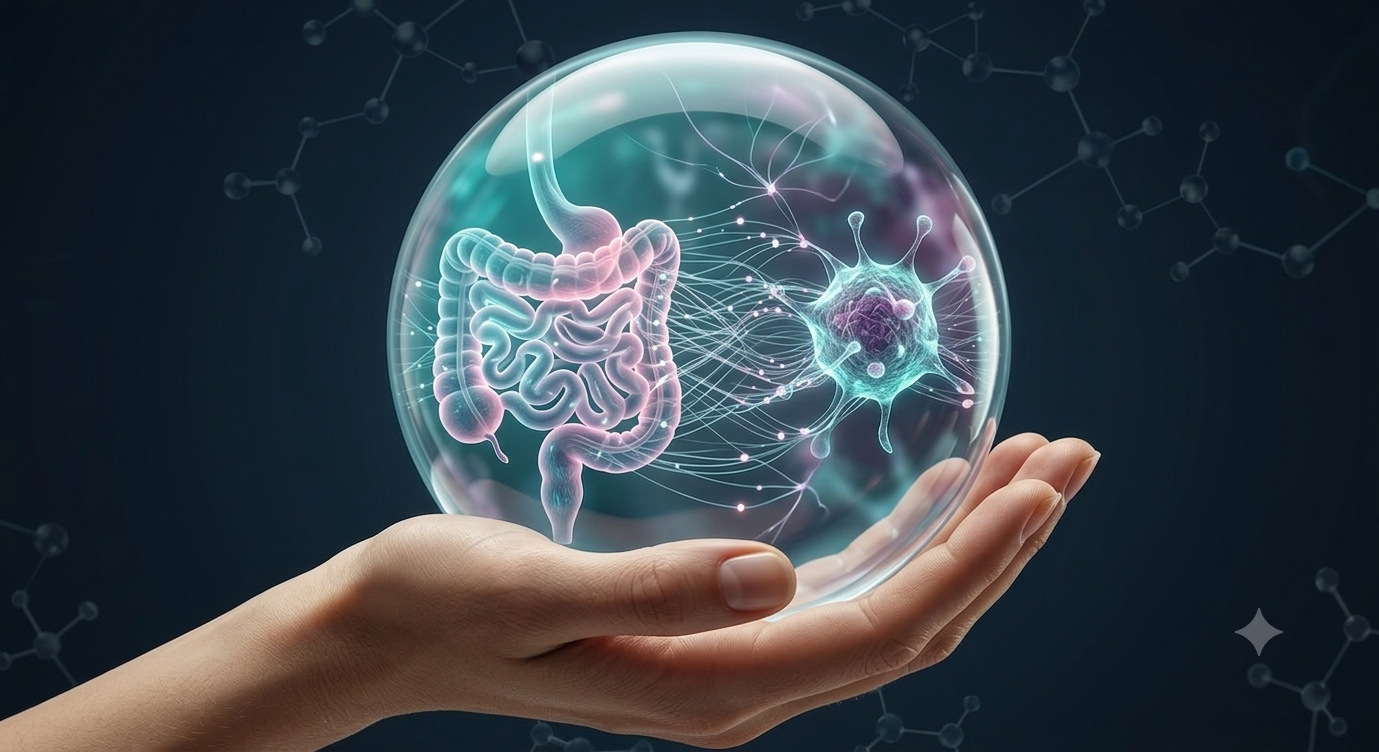
Scientists have also uncovered a strong relationship between the gut microbiome and brain function, often referred to as the gut-brain axis. This communication network connects the digestive system, nervous system, and immune system.
The gut microbiome influences the production of neurotransmitters, immune signaling molecules, and inflammatory compounds. According to a research (source) , changes in gut microbial composition can affect mood, cognitive function and immune regulation. This emerging research highlights the broader impact of gut microbiota on human health, showing that a healthy gut supports not only digestion and immunity but also mental well-being.
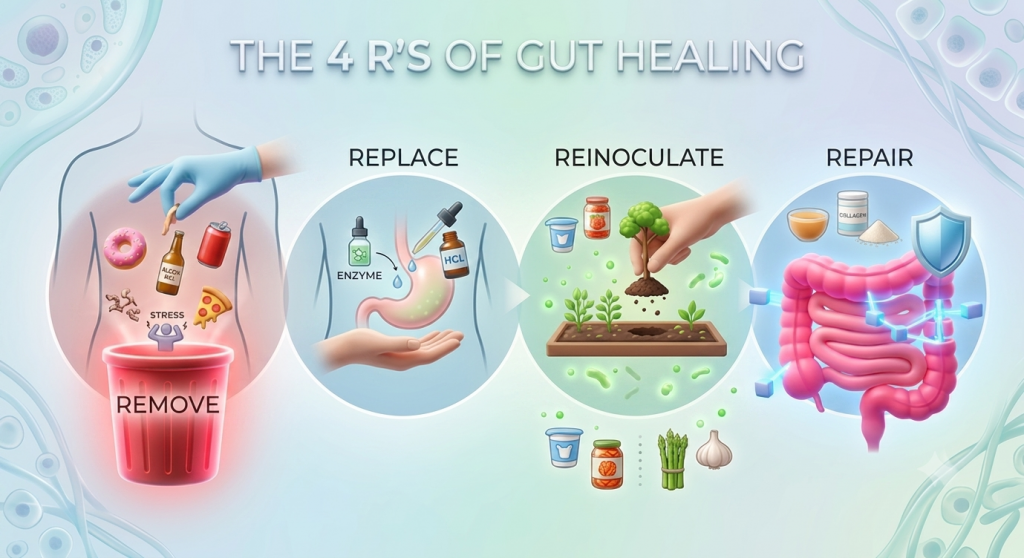
The 4 R’s of Gut Healing
Health practitioners often recommend the “4 R’s” approach to support gut restoration:
- Remove inflammatory foods and harmful habits.
- Replace digestive support when necessary.
- Reinoculate with probiotics and prebiotic-rich foods.
- Repair the gut lining through proper nutrition and healthy lifestyle choices.
This framework may help restore microbial balance and strengthen gut defenses over time.
How to Keep Your Gut Healthy Naturally
If you’re wondering how to keep your gut healthy naturally, several evidence-based strategies can support both gut and immune health.
Eat More Fiber-Rich Foods
Dietary fiber acts as fuel for beneficial bacteria. Foods such as fruits, vegetables, legumes, oats, and whole grains promote microbial diversity and improve digestive health. Dietary fiber positively influences gut microbiota composition and immune responses.
Consume Probiotic and Fermented Foods
Yogurt, kefir, kimchi, sauerkraut and other fermented foods introduce beneficial bacteria into the digestive tract. Studies suggest that probiotics may help maintain microbial balance and support immune function. You may read our article on the topic “Fermented Foods: How They Improve Gut Health”.
Reduce Ultra-Processed Foods
Highly processed foods, excess sugar, and artificial additives may disrupt the gut microbiome and contribute to inflammation. A nutrient-rich diet helps create a healthier microbial environment.
Prioritize Sleep and Stress Management
Chronic stress and inadequate sleep can negatively affect gut bacteria and immune responses. Healthy sleep habits and stress-reduction techniques support microbial diversity and overall wellness.
Best Foods for Gut and Immune Health
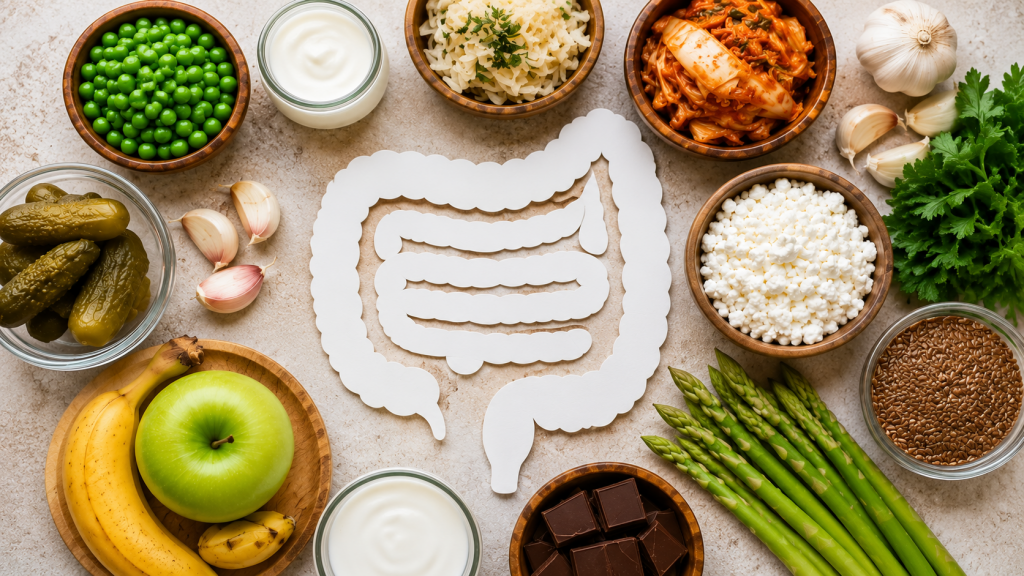
Certain foods provide exceptional support for both the gut microbiome and immune system:
- Yogurt and kefir
- Garlic and onions
- Bananas
- Oats
- Berries
- Leafy green vegetables
- Beans and lentils
- Nuts and seeds
These foods nourish beneficial bacteria, support the intestinal barrier, and help regulate immune responses. A diverse diet rich in plant-based foods is consistently associated with improved gut microbiome and its impact on human health.
Conclusion
The amazing gut-immune connection demonstrates how closely digestive health is linked to immune function. The gut microbiota helps regulate inflammation, strengthen the intestinal barrier and support immune defenses against disease. By consuming fiber-rich foods, incorporating probiotics, managing stress and maintaining healthy lifestyle habits, you can improve gut microbiota and immune health naturally. Taking care of your gut is one of the most effective ways to build a stronger, more resilient immune system and support long-term health.



Great content! Keep up the good work!
Thank you so much for appreciation.
Dear Sir/Madam,
I am interested in your product please send me more details
in my email address anna-helminger@web.de
Thanks
Thank you so much for showing your interest. Please email us at sciencequick7@gmail.com.
Dear Sir/Madam,
I am interested in your product please send me more details
in my email address p.funk26@web.de
Thanks
Thank you so much for showing your interest. Please email us at sciencequick7@gmail.com.
Dear Sir/Madam,
I am interested in your product please send me more details
in my email address sisandme.ch@gmail.com
Thanks
Thank you so much for showing your interest. Please email us at sciencequick7@gmail.com.