
Introduction
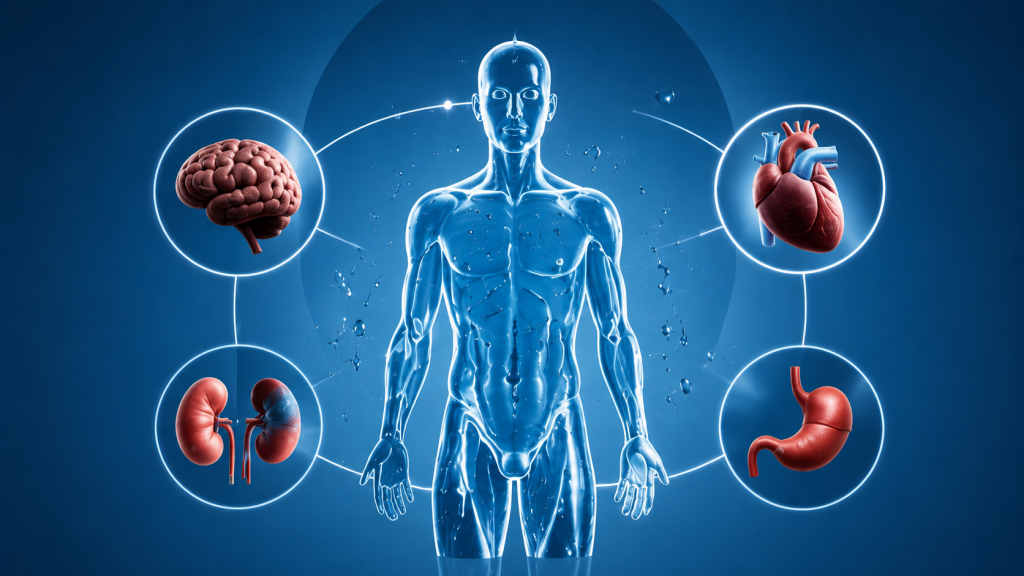
Dehydration is more than just feeling thirsty—it occurs when your body loses more fluids than it takes in, disrupting normal bodily functions. Since water makes up about 50–70% of an adult’s body weight, adequate hydration is essential for regulating body temperature, transporting nutrients, supporting brain function and removing waste. Even mild dryness can reduce physical and mental performance, while severe dehydration may become a medical emergency if left untreated. Research shows that it can affect nearly every organ system, making it a significant but preventable health concern.
What Is Dehydration and What Causes It?
It is the loss of body water and essential electrolytes, such as sodium and potassium, faster than they can be replaced. This fluid imbalance reduces the body’s ability to perform vital functions efficiently.
Common causes:
- Not drinking enough water
- Excessive sweating during exercise or hot weather
- Fever
- Vomiting and diarrhea
- Certain medications, especially diuretics
- Excessive alcohol or caffeine intake
- Chronic illnesses such as diabetes
Older adults, infants and young children are particularly vulnerable because they may lose fluids more quickly or have a reduced sense of thirst. Age-related changes in kidney function also increase the risk of dehydration in the elderly.
What Happens When Your Body Gets Dehydrated?
When your body becomes dehydrated, blood volume decreases, making it harder for the heart to circulate oxygen and nutrients. As a result, your heart works harder and your body struggles to regulate temperature and maintain normal organ function.
At the cellular level, dehydration causes body cells to lose water, affecting normal metabolic processes. Electrolyte imbalances may interfere with nerve signaling, muscle contractions and brain function. The kidneys are among the first organs affected, conserving water by producing darker, more concentrated urine. If it continues, kidney function may decline, increasing the risk of kidney stones and urinary tract infections (source).
The brain is also highly sensitive to dehydration. Studies have shown that even mild fluid loss can impair memory, attention, mood and decision-making, leading to reduced cognitive performance.
Warning Signs and Harmful Effects
Recognizing dehydration early can prevent serious health complications.
Early Warning Signs
Common symptoms include:
- Increased thirst
- Dry mouth and lips
- Dark yellow urine
- Headache
- Fatigue
- Dizziness
- Reduced urination
These signs often indicate mild dryness and usually improve with prompt fluid replacement.
Severe Symptoms and Health Risks
If dehydration progresses, symptoms may include:
- Rapid heartbeat
- Low blood pressure
- Muscle cramps
- Confusion
- Sunken eyes
- Fainting
- Very little or no urine output
Severe dehydration requires immediate medical attention because it can lead to shock, seizures caused by electrolyte imbalance, kidney failure and even death if untreated (WHO).
Beyond physical symptoms, it can also affects mental health. Research indicates that inadequate hydration can increase irritability, anxiety, difficulty concentrating and mental fatigue, reducing overall productivity and quality of life.
How to Treat and Prevent Dehydration
Most cases of mild dehydration can be corrected by replacing lost fluids and electrolytes as early as possible.
Effective hydration strategies include:
- Drink water consistently throughout the day instead of waiting until you’re thirsty.
- Eat water-rich fruits and vegetables such as watermelon, oranges, cucumbers, and strawberries.
- Replace electrolytes after prolonged sweating using oral rehydration solutions or electrolyte drinks.
- Limit alcohol and sugary beverages, which may worsen dehydration.
- Increase fluid intake during illness, hot weather, or intense physical activity.
- Monitor urine color—pale yellow usually indicates adequate hydration.
While water remains the best everyday beverage, oral rehydration solutions are recommended for dehydration caused by diarrhea or vomiting because they replace both fluids and electrolytes more effectively than water alone.

Conclusion
Dehydration is a common yet often underestimated condition that can affect nearly every part of the body—from the brain and kidneys to the heart and muscles. Even mild dryness may reduce energy, concentration and physical performance, while severe dehydration can result in life-threatening complications if left untreated. Fortunately, most cases are preventable through regular fluid intake, a balanced diet rich in water-containing foods and early recognition of warning signs. Making hydration a daily priority is one of the simplest and most effective ways to protect your long-term health.