
Introduction
The concept of “clean eating for hair growth” has become increasingly popular, with many believing that a healthy diet can transform hair thickness and speed up growth. But is this claim backed by science or is it simply a wellness trend? Hair growth is influenced by genetics, hormones and nutrition. Among these, diet plays a supportive but important role. This article examines whether clean eating truly promotes hair growth or if its effects are often overstated.
What Is Clean Eating?
Clean eating involves consuming whole, minimally processed foods such as fruits, vegetables, whole grains, lean proteins and healthy fats while limiting refined sugars and processed items. Although not a strict scientific concept, it aligns with dietary patterns shown to improve overall health and nutrient intake, which are essential for maintaining healthy hair follicles.
Does Clean Eating Help Hair Growth?
Clean eating supports hair growth indirectly by providing essential nutrients required for the hair growth cycle. Hair follicles are among the most metabolically active tissues in the body and require a steady supply of nutrients. A nutrient-rich diet can improve hair strength, reduce breakage and support scalp health. However, it does not significantly increase the natural rate of hair growth, which is biologically regulated.
Key Nutrients Required for Hair Growth
Protein: The Foundation of Hair
Hair is primarily composed of keratin, a structural protein. Protein deficiency has been linked to hair thinning and shedding. Foods such as eggs, chicken, lentils and dairy products provide essential amino acids necessary for keratin synthesis.
Iron: Preventing Hair Loss
Iron deficiency is a well-established cause of hair loss, particularly in women. Low iron levels reduce oxygen delivery to hair follicles, disrupting growth. Iron-rich foods like spinach, red meat and legumes are crucial for maintaining healthy hair.
Biotin and B Vitamins
Biotin plays a role in keratin production, and deficiency can lead to hair thinning. However, supplementation is only beneficial in individuals with deficiency. Whole grains, nuts and seeds are good dietary sources.
Omega-3 Fatty Acids
Omega-3 fatty acids support scalp health and may reduce inflammation that contributes to hair loss. Sources include flaxseeds, walnuts and fatty fish.
What Is the Healthiest Diet for Hair Growth?
There is no single “superfood” for the growth of hair. A balanced diet combining protein, healthy fats and micronutrients is most effective. Diets rich in whole foods have been associated with better hair health due to improved nutrient availability (source).
Three key dietary factors are critical for maintaining and supporting hair regrowth:
- Adequate protein intake
- Sufficient iron levels
- Proper calorie consumption
Can Diet Reverse Hair Thinning?
Diet can help reverse hair thinning when caused by nutritional deficiencies such as low iron, protein, or vitamins. However, it is less effective in cases of genetic hair loss or hormonal imbalances, which require medical treatment. Thus, clean eating is supportive but not curative.
Simple Diet Tips for Stronger Hair
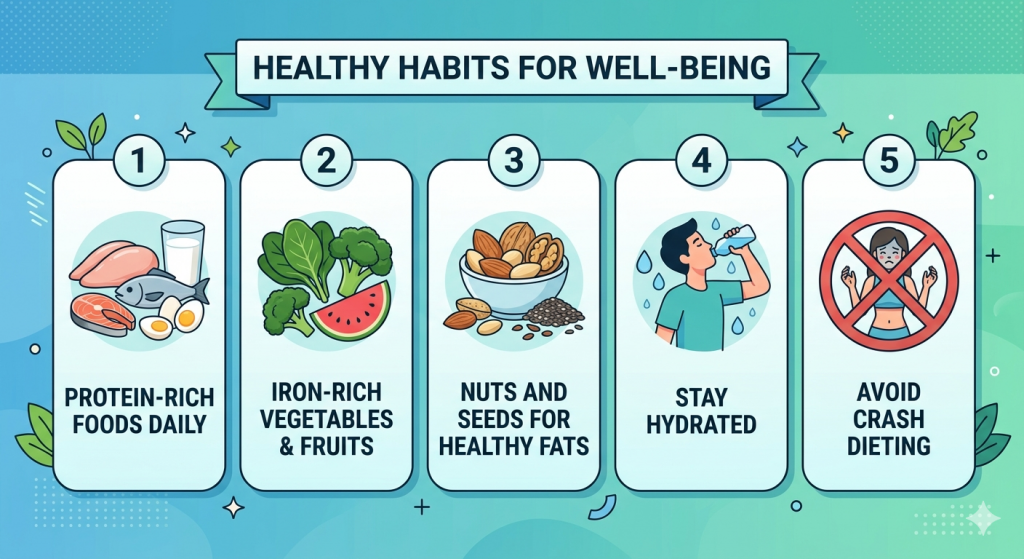
Following are the healthy habits for the long-term hair health. Consistency in eating habits is key for stronger hair
Common Myths About Diet and Hair Growth
Myth 1: Eating Chicken Increases Facial Hair
No scientific evidence supports this. Hair growth patterns are controlled by hormones, not specific foods.
Myth 2: Fried Eggs Cause Acne and Hair Loss
Fried foods may worsen skin health in some people, but they don’t directly cause hair loss.
Myth 3: One Food Can Stop Hair Fall
Hair health depends on overall diet—not a single “superfood.”
Hair Loss During Dieting or Weight Loss
Rapid weight loss, including that caused by strict diets or certain medications, can lead to temporary hair shedding. This occurs due to reduced calorie and protein intake. To prevent this, it is important to maintain a balanced diet rich in essential nutrients even during weight loss.
Healthy Eating and Exercise
Combining a nutritious diet with regular exercise creates the ideal environment for the growth of hair. Exercise improves blood circulation, ensuring better nutrient delivery to hair follicles, while a healthy diet provides the building blocks needed for strong hair.
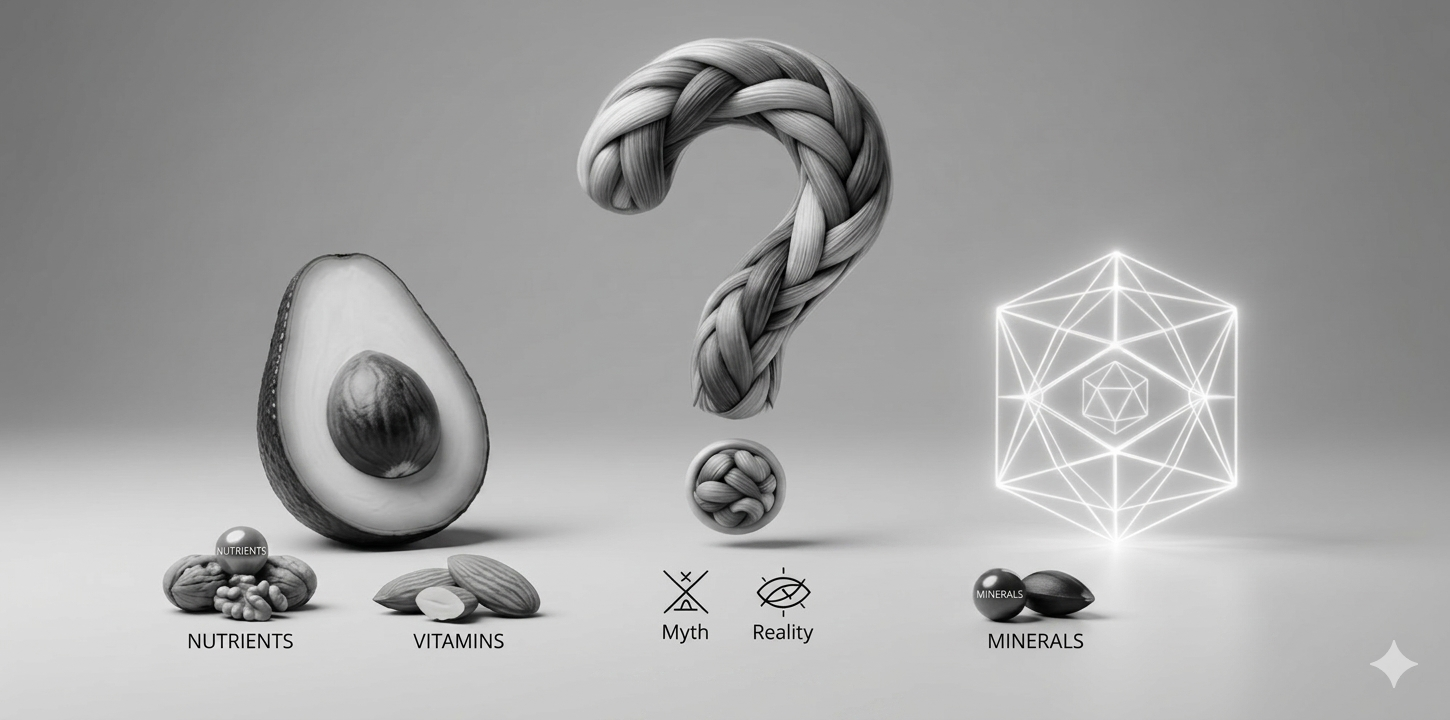
Conclusion: Myth or Reality?
Clean eating for hair growth is not a myth, but it is often misunderstood. Scientific evidence shows that a nutrient-rich diet supports hair health, prevents deficiency-related hair loss, and improves hair quality. However, it does not act as a quick fix or override genetic and hormonal factors. The reality is that clean eating is a foundational strategy for healthy hair—not a miracle solution.