
Introduction
Hair Health often associated with genetics, nutrition and hair-care products. However, emerging research suggests that mental well-being may also play an important role. Chronic stress can negatively affect the hair growth cycle, while practices such as meditation may help create a healthier internal environment for hair follicles. Understanding the chemistry of mindfulness and hair reveals how stress hormones, inflammation and circulation influence hair growth and overall scalp health.
How Stress Affects Hair Growth
To understand the relationship between meditation and hair, it is important to first examine how stress impacts hair follicles. When the body experiences prolonged physical or emotional stress, it releases higher levels of cortisol, commonly known as the stress hormone.
Elevated cortisol levels can disrupt the normal hair growth cycle, causing more follicles to enter the resting (telogen) phase prematurely. This condition, known as telogen effluvium, often results in excessive hair shedding several months after a stressful event. Research published in Nature found that chronic stress can suppress hair follicle stem cell activity, reducing the ability of hair follicles to regenerate and grow new hair (source).
Stress is also associated with increased inflammation and oxidative stress. Oxidative stress occurs when harmful free radicals outnumber the body’s antioxidant defenses, potentially damaging cells, including those responsible for healthy hair growth.
Can Meditation Help Regrow Hair?
Meditation should not be viewed as a cure for all forms of hair loss. Genetic hair loss, hormonal disorders, autoimmune conditions and certain medical issues typically require professional diagnosis and targeted treatment.
However, meditation may be particularly helpful for individuals experiencing stress-related hair thinning or shedding. By lowering cortisol levels, reducing inflammation, improving sleep quality and supporting emotional well-being, mindfulness addresses several underlying factors that can negatively affect the hair growth cycle.
Over time, consistent stress management may help create conditions that allow hair follicles to function more effectively. While results vary among individuals, it can be a valuable addition to a holistic hair-health routine.

The Chemistry Behind Meditation and Hair Health
Meditation is known for its ability to calm the mind, but its benefits extend far beyond relaxation. From a biological perspective, meditation influences the nervous system, hormone production and inflammatory responses throughout the body. Since chronic inflammation can impair follicle function, reducing inflammation may benefit long-term scalp and hair growth.
Regular meditation activates the parasympathetic nervous system, often referred to as the body’s “rest-and-digest” mode. This helps counteract the stress response driven by the sympathetic nervous system. Studies have shown that mindfulness can reduce cortisol levels, lower stress perception and improve emotional resilience.
Supporting Hair Growth Beyond Meditation
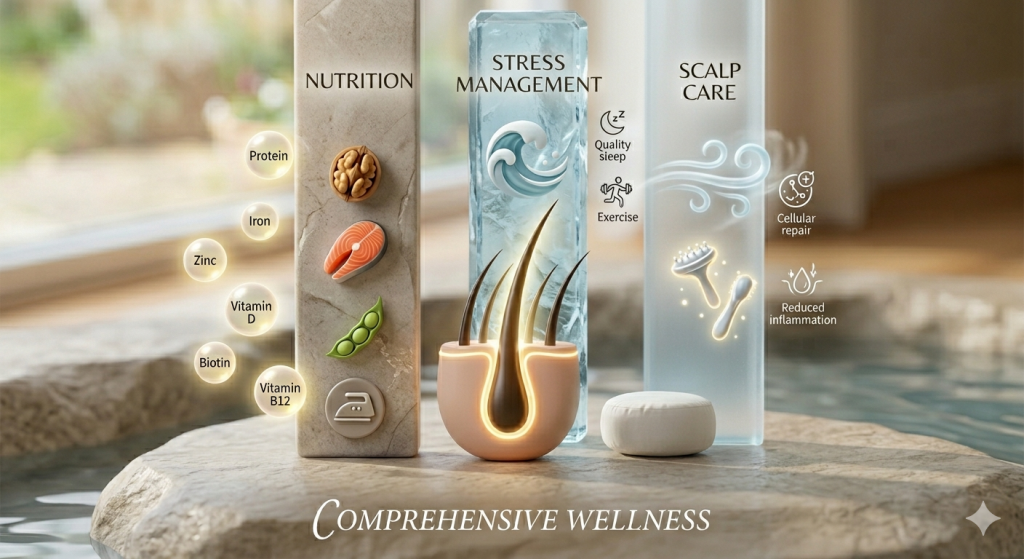
While meditation may support hair health, it works best as part of a comprehensive wellness strategy. Hair follicles depend on several nutrients and lifestyle factors to function optimally. Experts often refer to nutrition, stress management, and proper scalp care as the “big three” lifestyle factors that contribute to healthier hair growth.
Many people ask what stimulates hair growth naturally. Research suggests that adequate protein intake, iron, zinc, vitamin D, biotin and vitamin B12 are among the most important nutritional factors for healthy hair growth. Deficiencies in these nutrients have been linked to increased hair shedding and thinning.
A balanced diet rich in fruits, vegetables, nuts, seeds, legumes and lean proteins provides antioxidants and nutrients that help protect hair follicles from oxidative damage. Hydration, regular exercise and quality sleep are equally important because they support cellular repair and hormonal balance.
Meditation, Blood Flow and Scalp Health
Healthy hair follicles require a steady supply of oxygen and nutrients delivered through the bloodstream. Although meditation is not a direct treatment for hair loss, it may help improve circulation by promoting relaxation and reducing stress-induced vascular constriction.
When the body is in a relaxed state, blood vessels can function more efficiently, supporting nutrient delivery to tissues throughout the body, including the scalp. Proper circulation helps transport essential nutrients such as iron, zinc, amino acids and vitamins that support hair production.
Improved circulation also supports the overall health of the scalp environment. A healthy scalp provides the foundation needed for stronger hair growth and reduced follicle stress over time.
Conclusion
The connection between meditation and hair lies in the body’s chemistry. Chronic stress can increase cortisol, inflammation, and oxidative stress, all of which may disrupt normal hair growth. Meditation helps counter these effects by promoting relaxation, supporting hormonal balance, and improving overall physiological health.
Although meditation is not a standalone solution for hair loss, scientific evidence suggests that reducing stress may help support healthier hair follicles and a healthier scalp environment. Combined with proper nutrition, quality sleep, and good hair-care practices, it can become a powerful tool for maintaining long-term hair wellness.