

Introduction
Resistant starch is emerging as one of the most important nutrients for gut health, metabolic balance and healthy aging. Unlike regular carbohydrates that are quickly digested into glucose, resistant starch bypasses digestion in the small intestine and functions more like a prebiotic fiber. Scientists now link its benefits to improved gut microbiome diversity, better insulin sensitivity, reduced inflammation and enhanced digestive wellness. Because these factors are strongly connected with longevity, also, it is increasingly recognized as a powerful functional food for long-term health.
What Is Resistant Starch?
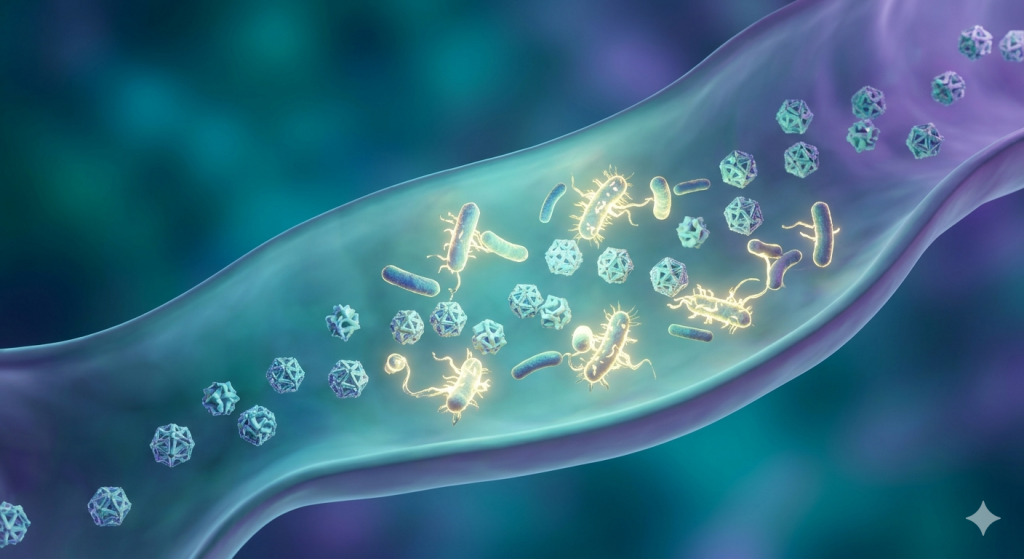
Resistant starch is a type of starch that “resists” digestion and reaches the colon intact. There, it is fermented by gut bacteria, producing beneficial compounds such as butyrate. Butyrate is known to nourish colon cells, strengthen the gut barrier and reduce inflammation.
There are four major types of resistant starch found in foods:
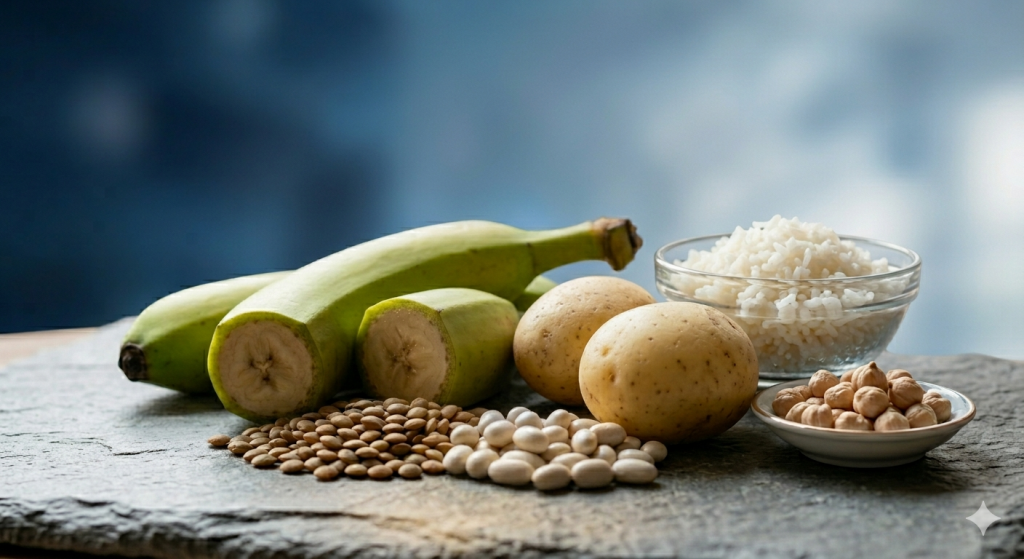
- Naturally resistant grains and seeds
- Raw starches such as green bananas
- Cooked and cooled starches like rice and potatoes
- Chemically modified starches used in some processed foods
How Resistant Starch Works in the Body
One reason for its importance is its ability to improve the gut microbiome. Once fermented in the colon, it feeds beneficial bacteria and increases production of short-chain fatty acids, especially butyrate. These compounds support digestive health and may lower the risk of inflammatory conditions.
Studies published in Nature Reviews Gastroenterology & Hepatology show that butyrate plays a key role in maintaining intestinal integrity and reducing oxidative stress associated with aging (source).
Resistant starch also slows glucose absorption, helping stabilize blood sugar levels and improve insulin sensitivity. Another benefit is appetite regulation. Its is increases satiety, helping people feel full longer and potentially supporting weight management. Because obesity and chronic inflammation are linked with aging, these effects may contribute to better longevity outcomes.
Health Benefits
1. Supports Gut Health
Resistant starch acts as a prebiotic fiber that nourishes beneficial gut bacteria. A healthier microbiome supports digestion, immunity, and nutrient absorption. According to a review in Frontiers in Immunology, gut microbiome diversity is strongly associated with reduced inflammation and healthier aging.
2. Improves Blood Sugar Control
Unlike refined carbohydrates, prebiotic diet has a lower glycemic effect. It helps reduce blood sugar spikes after meals and may improve insulin sensitivity over time. This makes fiber rich foods valuable for metabolic health.
3. Enhances Colon Health
Butyrate produced during fermentation supports colon cells and may help protect against digestive disorders. Research published in Gut highlights the anti-inflammatory effects of butyrate on intestinal tissues.
4. May Support Weight Management
Because it increases fullness and reduces hunger, it may help reduce calorie intake naturally. Some evidence suggests it can also improve fat metabolism and reduce belly fat accumulation.
5. Promotes Healthy Aging and Longevity
Chronic inflammation, insulin resistance, and poor gut health are major contributors to aging. It may help address all three, making it an important nutrient for longevity and overall wellness.
Best Resistant Starch Foods
Adding these foods to your diet can be simple and practical. Some of the best options include:
- Green bananas and green banana flour
- Lentils, chickpeas, and beans
- Overnight oats
- Cooked and cooled potatoes
- Cooked and cooled rice
- Whole grains and barley
- Seeds and legumes
Green bananas are especially rich in resistant starch before ripening. Similarly, reheated or cooled rice and potatoes maintain part of the content, making them healthier choices for blood sugar balance.
How to Add Resistant Starch to Your Diet
Experts recommend increase its intake gradually to avoid digestive discomfort. A daily intake of around 15–30 grams may provide benefits for gut and metabolic health.
- Adding green banana flour to smoothies
- Eating overnight oats at breakfast
- Including lentils or beans in meals
- Using cooled rice in salads
- Preparing potato salads with cooled potatoes
Good for Everyone?
For most individuals, resistant starch is considered safe and beneficial. However, people with sensitive digestion or irritable bowel syndrome (IBS) may need to introduce it slowly. Consuming large amounts too quickly can cause bloating or gas because of increased fermentation in the gut.
Despite this, moderate consumption is generally associated with positive effects on digestive and metabolic health.
Conclusion
Resistant starch is more than just a nutrition trend—it is a scientifically supported nutrient with potential benefits for gut health, blood sugar balance, metabolic wellness, and longevity. By acting as a prebiotic fiber and increasing beneficial compounds like butyrate, resistant starch may help support healthier aging from the inside out. Foods such as green bananas, oats, legumes, and cooled potatoes provide natural and effective ways to increase resistant starch intake. As research continues to grow, resistant starch is becoming recognized as one of the most valuable nutrients for long-term health and wellness.