
Introduction
Drinking the herbal teas for gut health is a simple, natural way to support digestion and promote a healthier microbiome. Your gut does much more than digest food—it influences immunity, metabolism, mental well-being and even skin health. A balanced gut microbiome helps maintain digestive comfort, while an unhealthy gut may contribute to bloating, indigestion, constipation, and inflammation. Fortunately, many herbal teas contain bioactive compounds with anti-inflammatory, antioxidant and digestive-supporting properties backed by scientific research.
Why Gut Health Matters?
The gut microbiome consists of trillions of beneficial bacteria that aid digestion, produce vitamins, regulate immune responses and help protect against harmful microbes. Disruptions caused by poor diet, stress, antibiotics, or inadequate sleep can lead to an imbalance known as dysbiosis, which has been associated with digestive disorders and chronic inflammation.
Common signs of an unhealthy gut include bloating, gas, stomach pain, irregular bowel movements, indigestion and food sensitivities. While many people ask, How long does it take to improve gut health? the answer depends on diet and lifestyle. Positive changes in the gut microbiome can begin within a few weeks of healthier eating habits (source). Adding herbal teas for gut health alongside fiber-rich foods and probiotics can further support digestive wellness.

7 Best Herbal Teas for Gut Health
1. Ginger Tea
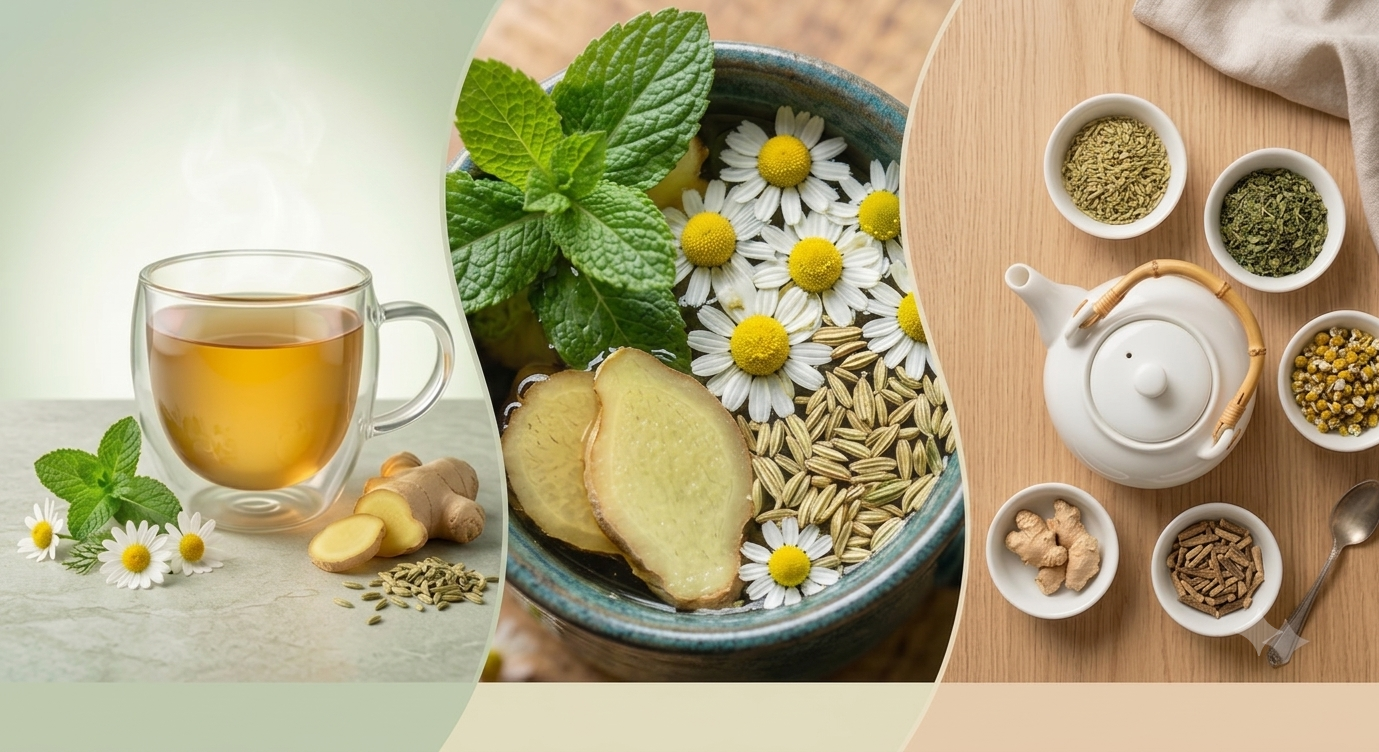
Ginger tea is widely recognized as one of the best herbal teas for upset stomach. Its active compounds, gingerols and shogaols, help stimulate gastric emptying, reduce nausea, relieve stomach cramps, and ease bloating. Research suggests ginger can improve functional dyspepsia and digestive discomfort by enhancing gastrointestinal motility. If you’re wondering which tea is best for digestion, ginger is among the top choices.
2. Peppermint Tea
Peppermint tea contains menthol, which relaxes the smooth muscles of the digestive tract. This effect helps reduce bloating, stomach gas, and abdominal cramps, particularly in people with irritable bowel syndrome (IBS). Clinical studies have shown peppermint oil significantly improves IBS symptoms, making peppermint tea a soothing option for everyday digestive support.
3. Chamomile Tea
Chamomile tea has long been used to calm the digestive system. Rich in flavonoids such as apigenin, it possesses anti-inflammatory and antioxidant properties that may help relieve mild gut inflammation and indigestion. Chamomile also promotes relaxation and better sleep, both of which positively influence gut health through the gut-brain axis. It is an excellent answer to what tea is good for gut inflammation.
4. Fennel Tea
Fennel seeds contain essential oils that help relax intestinal muscles and reduce digestive spasms. Drinking fennel tea after meals may relieve bloating, improve digestion, and reduce stomach discomfort. Traditional medicine has long recommended fennel for gastrointestinal complaints, and modern studies support its effectiveness in easing digestive symptoms.
5. Licorice Root Tea
Licorice root tea is valued for its soothing effect on the stomach lining. Deglycyrrhizinated licorice (DGL) may help relieve mild gastritis and support the healing of gastric mucosa by increasing protective mucus production. However, regular licorice root should be consumed cautiously, especially by individuals with high blood pressure, because excessive intake may increase blood pressure.
6. Green Tea
Many people ask, does green tea help with gut health? Research suggests the answer is yes. Green tea polyphenols act as prebiotic-like compounds that encourage beneficial gut bacteria while reducing harmful microbes. Its antioxidants may also lower inflammation and support overall digestive health. Choose minimally processed green tea and consume it in moderation due to its caffeine content.
7. Turmeric Tea
Turmeric tea contains curcumin, a powerful natural compound known for its anti-inflammatory effects. Studies indicate curcumin may help reduce intestinal inflammation, strengthen the gut barrier, and support microbiome balance. Drinking turmeric tea with a pinch of black pepper enhances curcumin absorption, making it even more effective for gut support.
How to Choose the Best Herbal Tea for Your Gut
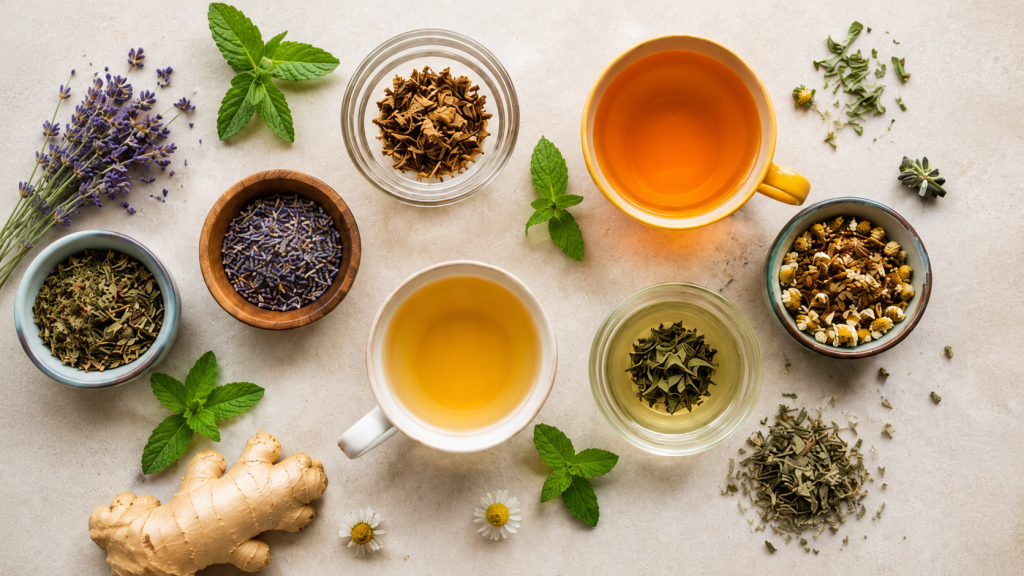
Different digestive concerns benefit from different teas. Choose ginger for nausea and indigestion, peppermint or fennel for bloating and gas, chamomile or turmeric for gut inflammation, licorice root for mild gastritis and green tea to promote a healthier gut microbiome. Drink herbal teas without added sugar, as excessive sugar may negatively affect beneficial gut bacteria. Herbal teas work best when combined with a balanced, fiber-rich diet and healthy lifestyle habits.
Tips to Improve Gut Health Along with Herbal Tea
While herbal teas for gut health provide valuable support, they should be part of a comprehensive approach. Eat more fruits, vegetables, legumes and whole grains for prebiotic fiber, include fermented foods like yogurt or kefir for probiotics, stay hydrated, exercise regularly, manage stress and get enough sleep. These habits work together to improve digestion and maintain long-term gut health. You may read our article to understand to role of probiotic foods for healthy gut.
Conclusion
The best herbal teas for gut health offer a natural way to support digestion, reduce bloating, ease stomach discomfort, and promote a balanced gut microbiome. Whether you choose ginger, peppermint, chamomile, fennel, green tea, turmeric, or licorice root, each provides unique digestive benefits supported by scientific evidence. Combined with a fiber-rich diet, probiotics, hydration, and healthy lifestyle habits, these herbal teas can contribute to lasting digestive wellness.