
Introduction
Oxidative stress occurs when the body produces more free radicals than it can neutralize with antioxidants. They are unstable molecules that can damage cells, proteins and DNA. While some free radicals are a normal byproduct of metabolism, excessive amounts can overwhelm the body’s natural defense system. In simple terms, it is an imbalance between harmful molecules and the body’s ability to protect itself. This process is increasingly recognized as a major factor in aging and many chronic diseases, making it a silent threat to overall health.
What Is Oxidative Stress?
Oxidative stress occurs when the production of free radicals exceeds the body’s ability to neutralize them with antioxidants. Free radicals are highly reactive molecules generated during normal metabolism, environmental exposures and inflammatory processes. When these unstable molecules accumulate, they can damage DNA, proteins and cell membranes, disrupting normal cellular function (source).
In simple terms, It is an imbalance between harmful oxidants and protective antioxidants. While small amounts of reactive oxygen species (ROS) play important roles in cell signaling and immune function, excessive levels can become harmful and trigger widespread cellular damage.
What Causes Elevated Oxidative Stress?
Several lifestyle and environmental factors can increase its level:
- Smoking and tobacco exposure
- Excessive alcohol consumption
- Poor diet high in processed foods and added sugars
- Chronic psychological stress
- Sleep deprivation
- Air pollution and environmental toxins
- Obesity and sedentary lifestyle
- Chronic infections and inflammation
These factors increase the production of free radicals, making it harder for the body’s antioxidant defense system to maintain balance.
Early Signs and Symptoms
It often develops silently, but some early warning signs may include:
- Persistent fatigue
- Brain fog and poor concentration
- Frequent headaches
- Reduced immune function
- Muscle and joint discomfort
- Increased inflammation
- Premature skin and hair aging
- Slower recovery after exercise
These symptoms are not unique, but they may indicate that the body’s antioxidant defenses are struggling to keep up with oxidative damage.
How Oxidative Stress Damages Your Health
One reason that is considered a silent threat is its connection to many chronic diseases. Free radicals can damage cellular components, leading to inflammation and tissue dysfunction. Research has linked it to cardiovascular disease, type 2 diabetes, neurodegenerative disorders, autoimmune conditions and certain cancers.
It is particularly important in age-related diseases because accumulated cellular damage can impair normal biological processes. Studies have shown that oxidative damage to lipids, proteins and DNA plays a significant role in conditions such as Alzheimer’s disease and Parkinson’s disease.
Can Oxidative Stress Be Reversed?
The good news is that it can often be reduced through healthy lifestyle changes. Adopting a nutrient-rich diet, engaging in regular physical activity, managing stress, getting adequate sleep and avoiding smoking can significantly improve the body’s antioxidant capacity. While severe cellular damage may not always be fully reversible, reducing oxidative stress can help slow disease progression, improve overall well-being, and support healthy aging. Consistency is key, as the body benefits most from long-term healthy habits rather than quick fixes.
The Powerful Role of Antioxidants
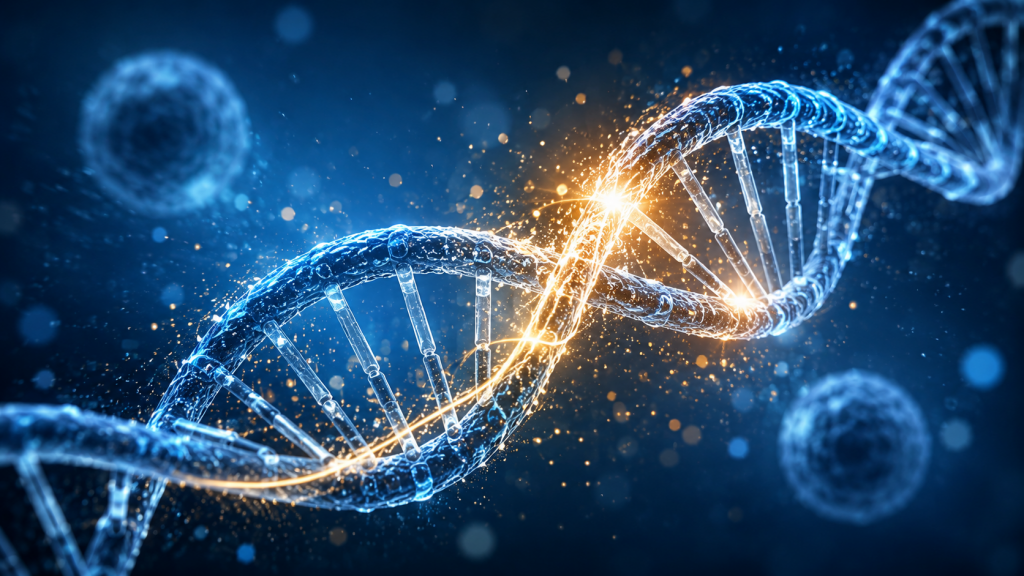
Antioxidants are molecules that help neutralize free radicals before they can damage cells. The body produces its own antioxidant enzymes, but it also relies on nutrients obtained through food. You may read our article on the topic “Role of Antioxidants In Avoiding Hair Aging” to know about the role of antioxidants in terms of hair care.
Some of the most important antioxidants include:
- Vitamin C
- Vitamin E
- Selenium
- Polyphenols
- Coenzyme Q10 (CoQ10)
- Glutathione
Glutathione is often referred to as the body’s “master antioxidant” because it plays a central role in protecting cells from oxidative damage, supporting detoxification and regulating immune function. Reduced glutathione levels have been associated with increased oxidative damage and several chronic diseases.
Best Foods That Fight Oxidative Stress
Diet is one of the most effective tools for reducing it naturally. Foods rich in antioxidants help neutralize free radicals and support cellular health.
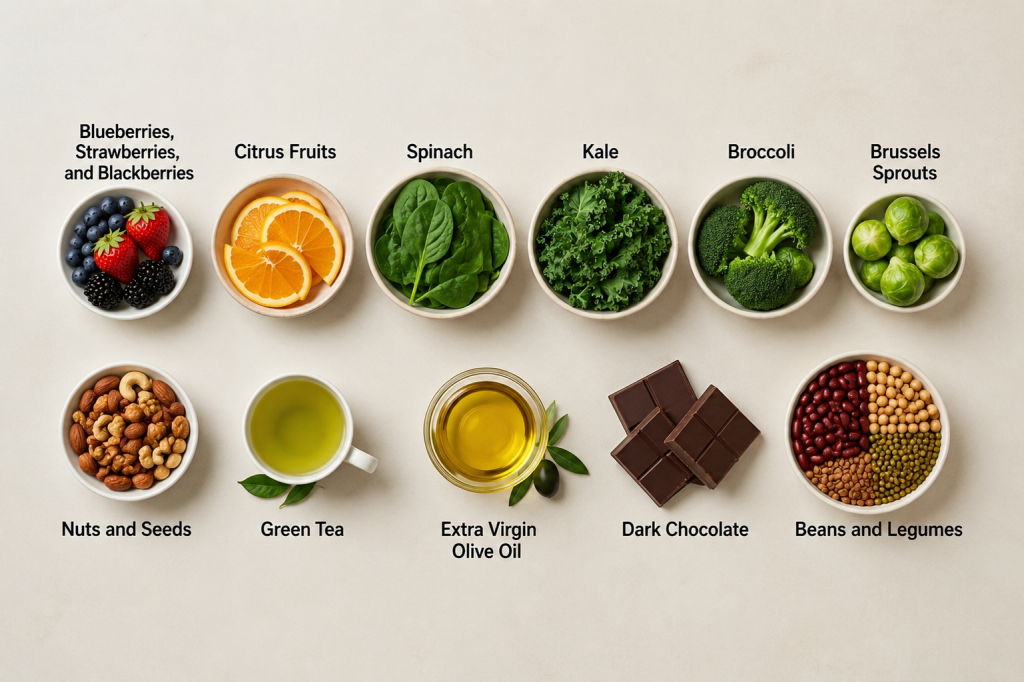
Top antioxidant-rich foods include:
- Blueberries, strawberries, and blackberries
- Citrus fruits
- Spinach and kale
- Broccoli and Brussels sprouts
- Nuts and seeds
- Green tea
- Extra virgin olive oil
- Dark chocolate
- Beans and legumes
Research suggests that plant-based dietary patterns, including Mediterranean-style diets, are associated with lower stress and inflammatory markers.
Conclusion
Oxidative stress is a silent but powerful contributor to cellular damage, inflammation, aging, and chronic disease. It develops when free radicals overwhelm the body’s antioxidant defenses, leading to damage throughout the body. Fortunately, a nutrient-rich diet, healthy lifestyle habits, and adequate antioxidant intake can help reduce oxidative damage and protect long-term health. By taking proactive steps today, you can support your cells, strengthen your defenses, and promote healthier aging for years to come.