
Introduction
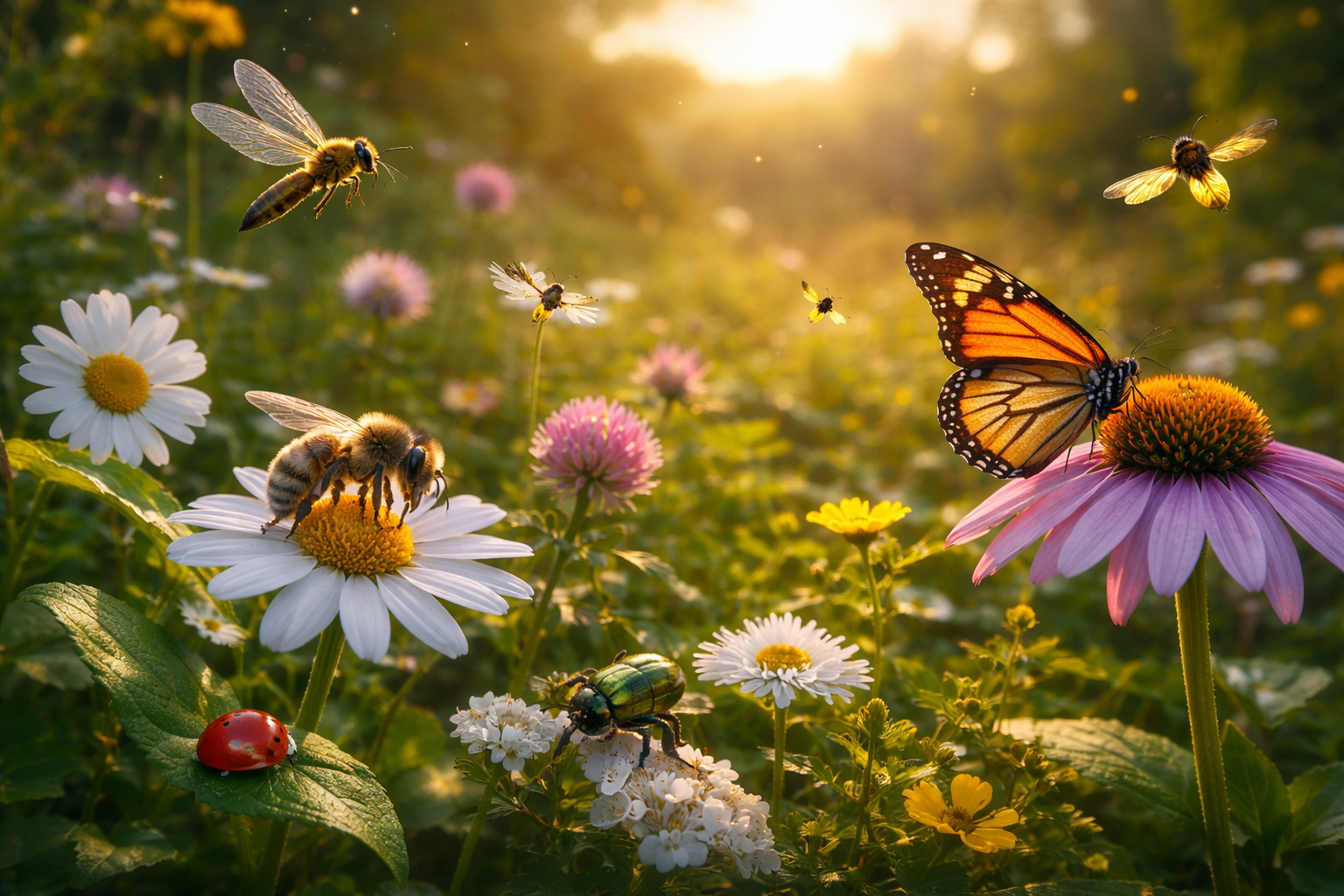
Insects belong to the class Insecta, the largest group of animals in the world, with over a million known species making up more than half of all known animal species. They are found everywhere because of their early evolutionary success, rapid reproduction rates and ability to adapt to habitat on Earth. But the silent and unnoticed insects disappearing is at an alarming rate. Insects are disappearing globally majorly due to the habitat loss, intensive pesticide use, climate change, pollution, and invasive species. Insects form the structural and functional base of ecosystems, providing irreplaceable services, essential for the survival of both nature and humans. Without these services, global food webs and ecosystems would collapse.
Are Insects Really Disappearing?
Scientific observations and long-term studies provide substantial evidence of widespread insect decline, primarily in terrestrial environments across Europe and North America. However, trends vary by region, species, and habitat type, with some groups showing stability or even increases. There is a decline in number of flying insects, butterflies, fireflies, and beetles in our everyday life. The total mass of land-based bugs is estimated to be falling by approximately 0.92% to 2.5% annually on average. source
Why Are Insects Disappearing – Causes
Habitat Loss
- Deforestation, urbanization, and agricultural expansion
- Loss of meadows, wetlands, and forests
- Eliminating essential resources and altering environmental conditions
Climate Change
- Rising temperatures and extreme weathers
- Changes in seasonal patterns
- Impact on reproduction and migration
Pesticides and Pollution
- Use of chemical pesticides and insecticides
- Effects on bees, butterflies, and soil insects
- Water and air pollution harming insect habitats as well
Are Insects Useful or Harmful to Humans?
The common belief that insects are harmful to humans stems from valid health, economic, and psychological impacts, although in reality, only a small fraction of insect species are harmful. Most insects are vital to the ecosystem. Such as
- Insects are vital pollinators, acting as crucial couriers that transfer pollen from one part to another part of the plant, enabling plant reproduction, seed/fruit formation, and genetic diversity for about 80% of flowering plants.
- Insects are the decomposers as well and help in enhancing the soil fertility by re cycling the nutrients. The predator prey relationship in insects allows the natural control of pests
What If All Insects Disappeared?
- Collapse of food chains
- Impact on birds, fish, reptiles, and mammals
- Crop failure due to lack of pollination
- Human survival challenges

Species-Specific Declines: Vanishing Bugs
Species-specific declines highlight the alarming reality of vanishing bugs across the world signaling deeper environmental problems. Familiar insects such as lightning bugs, love bugs, June bugs, and butterflies are becoming rare. These species act as natural indicators of ecosystem health; when their populations fall, it reflects damage to soil quality, vegetation, and climate balance. Reduced insect diversity weakens ecosystems, making them less resilient and more vulnerable to collapse, ultimately affecting birds, animals, and humans who rely on these interconnected food webs.
Insects and Humans: A Shared Relationship
Insects and humans share an important but often overlooked relationship, as humans depend heavily on insects for survival. Insects pollinate crops, decompose waste, control pests, and maintain ecological balance, supporting food systems and healthy environments. They also hold cultural, ethical, and religious importance. In the Quran, insects such as the Bee (Ref: Surah An-Nahl -The Bee, 16:68–69) and the Ant (Ref: Surah An-Naml – The Ant, 27:18) are mentioned, highlighting their organization, purpose, and the lessons they offer to humanity. Questions about whether insects enjoy life or live in colonies reveal their complex behaviors and social structures. Understanding their value encourages respect for small life forms, reminding us that protecting insects is essential for sustaining nature and human life.
Things To Be Done to Save Insects
- Reducing pesticide use
- Protecting natural habitats
- Planting native plants and flowers
- Raising awareness and education
- Role of individuals, farmers, and governments
Conclusion
Saving insects ultimately means saving ourselves, as their silent disappearance threatens the foundations of life on Earth. Insects are amazing creatures that pollinate crops, recycle nutrients, and support entire food chains, yet their loss often goes unnoticed. This ongoing decline demands urgent action to reduce pollution, limit pesticide use and protect natural habitats. If insects vanish, ecosystems will collapse, and human survival will be at serious risk. Protecting insects is not just an environmental duty but a necessity, because the future of humanity is inseparably linked to the survival of these small but essential life forms.