
Introduction
Intermittent fasting (IF) is widely known for weight loss and metabolic benefits — but many people now ask: Can intermittent fasting improve skin health?
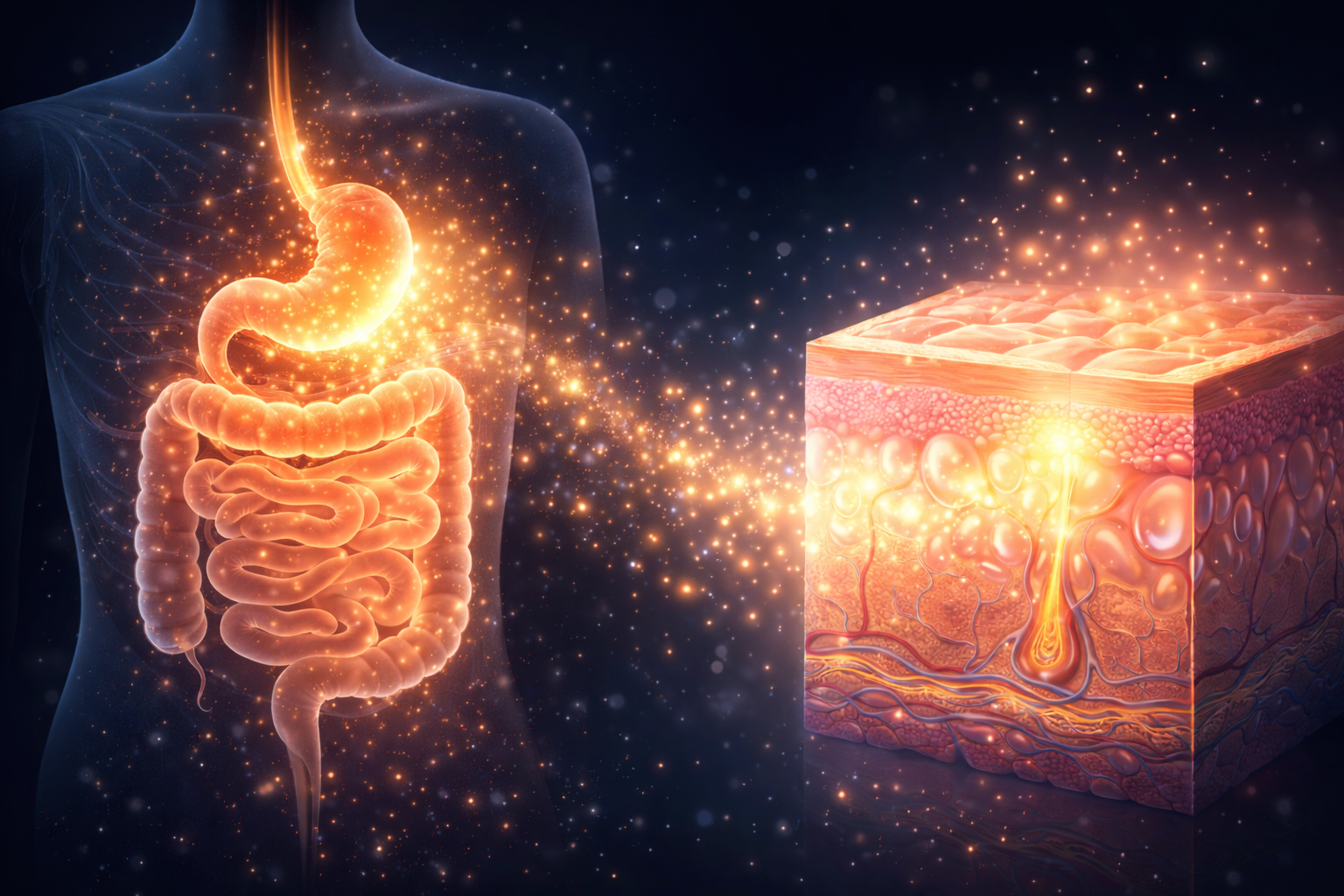
From clearer skin to anti-aging effects, research suggests fasting may influence the skin through inflammation control, hormonal balance, and cellular repair. Natural health educator Dr. Barbara O’Neill also emphasizes fasting as a powerful internal cleansing and healing tool that can reflect positively on the skin.
What Is Intermittent Fasting?
Intermittent fasting is an eating pattern that alternates between periods of eating and fasting. The most common method is the 16:8 fasting protocol — fasting for 16 hours and eating within an 8-hour window.
Unlike traditional dieting, IF focuses on when you eat rather than calorie restriction alone. Research shows intermittent fasting improves insulin sensitivity, reduces oxidative stress, and lowers inflammation. These internal changes can directly impact skin health.
The Science Behind IF
1. Autophagy and Skin Renewal
One of the most discussed mechanisms behind intermittent fasting benefits for skin is autophagy — the body’s cellular “self-cleaning” process. During fasting, the body removes damaged cells and regenerates healthier ones.
Autophagy has been linked to improved cellular repair and slowed aging. Since skin aging is driven by accumulated cellular damage, fasting-induced autophagy may contribute to brighter, more youthful-looking skin.
2. Reduced Inflammation and Clearer Skin
Chronic inflammation is a key driver of acne, redness, eczema (an inflammatory skin condition) and premature aging. Intermittent fasting has been shown to reduce inflammatory markers. Lower inflammation may help:
- Reduce acne breakouts
- Calm irritated skin
- Improve overall complexion
This explains why many people search: Does intermittent fasting clear skin? While not guaranteed, reduced systemic inflammation may support clearer skin over time.
3. Hormonal Balance and Acne Control
Insulin spikes can increase androgen hormones that stimulate oil production. Excess oil contributes to clogged pores and acne. Intermittent fasting improves insulin regulation, which may indirectly reduce breakouts. For those exploring intermittent fasting for skin problems, improved hormonal balance may be one contributing factor.
Dr. Barbara O’Neill’s Opinion on Fasting and Skin Health
Dr. Barbara O’Neill strongly advocates fasting as a natural healing mechanism. According to her teachings:
- When digestion rests, the body redirects energy toward repair and detoxification.
- Fasting allows the body to “clean house,” eliminating waste and damaged cells.
- She emphasizes that many skin conditions are outward signs of internal imbalance.
- By improving gut health and reducing toxic load, fasting may improve skin clarity and glow.
She often explains that the skin is a reflection of internal health. When inflammation decreases and the body’s detox pathways function properly, the skin may appear clearer and more vibrant. Her views align with research showing that metabolic health, inflammation, and oxidative stress directly influence skin aging and disease.
While her perspective is rooted in natural health philosophy, scientific evidence increasingly supports the connection between systemic inflammation reduction and improved skin appearance.
Does IF Help with Aging and Loose Skin?
There is limited direct evidence that intermittent fasting tightens loose skin. However, fasting may:
- Reduce oxidative stress
- Support collagen preservation
- Improve cellular turnover
Oxidative stress accelerates collagen breakdown. By lowering oxidative damage, fasting may indirectly help maintain skin elasticity — though it is not a guaranteed treatment for sagging skin.
Can Intermittent Fasting Cause Skin Problems?
Despite the potential intermittent fasting skin benefits, it may cause issues if poorly managed.
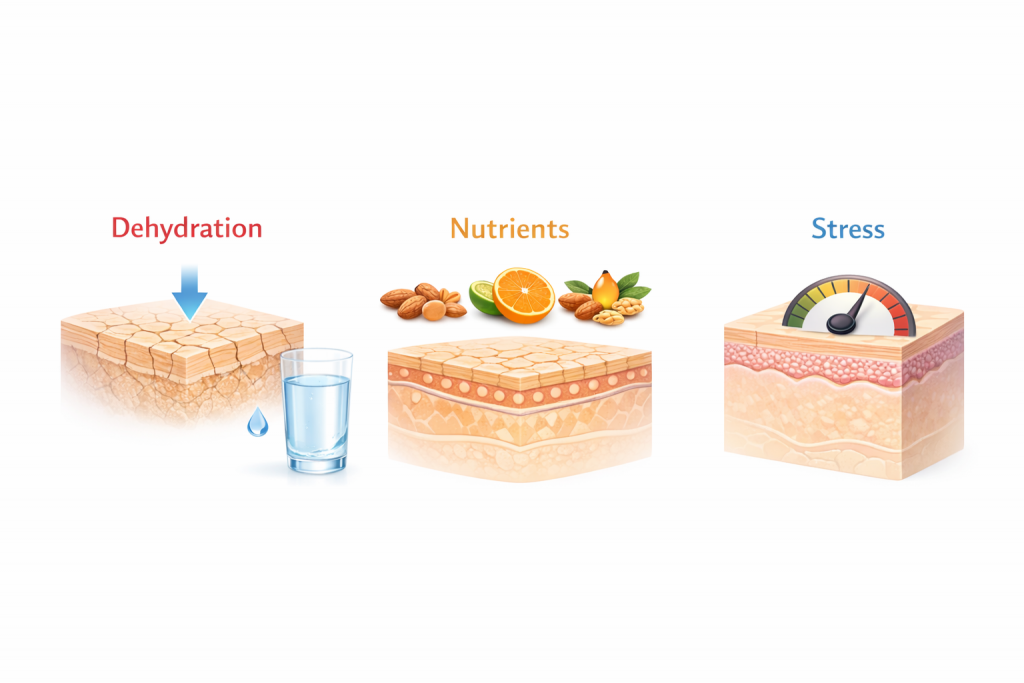
Not drinking enough water can cause dryness and dullness. If eating windows lack essential vitamins (A, C, E, zinc, omega-3), skin health may suffer. Excessive fasting can raise cortisol in some individuals, potentially triggering breakouts. Balance and proper nutrition are essential.
How to Maximize Skin Benefits While Fasting
To improve skin health while practicing intermittent fasting:
- Stay well hydrated
- Eat antioxidant-rich whole foods
- Include healthy fats and adequate protein
- Support gut health with fiber-rich foods
- Maintain a consistent skincare routine
Conclusion
Current research suggests that intermittent fasting may promote clearer, healthier skin by activating autophagy, reducing inflammation, balancing hormones, and lowering oxidative stress. Dr. Barbara O’Neill supports fasting as a natural method for internal cleansing and cellular repair, which may reflect positively on the skin.
While it is not a miracle cure, intermittent fasting — when practiced safely — may be a supportive tool for overall skin wellness. You may read about the skin benefits from intermitted fasting from here (source).