
Introduction
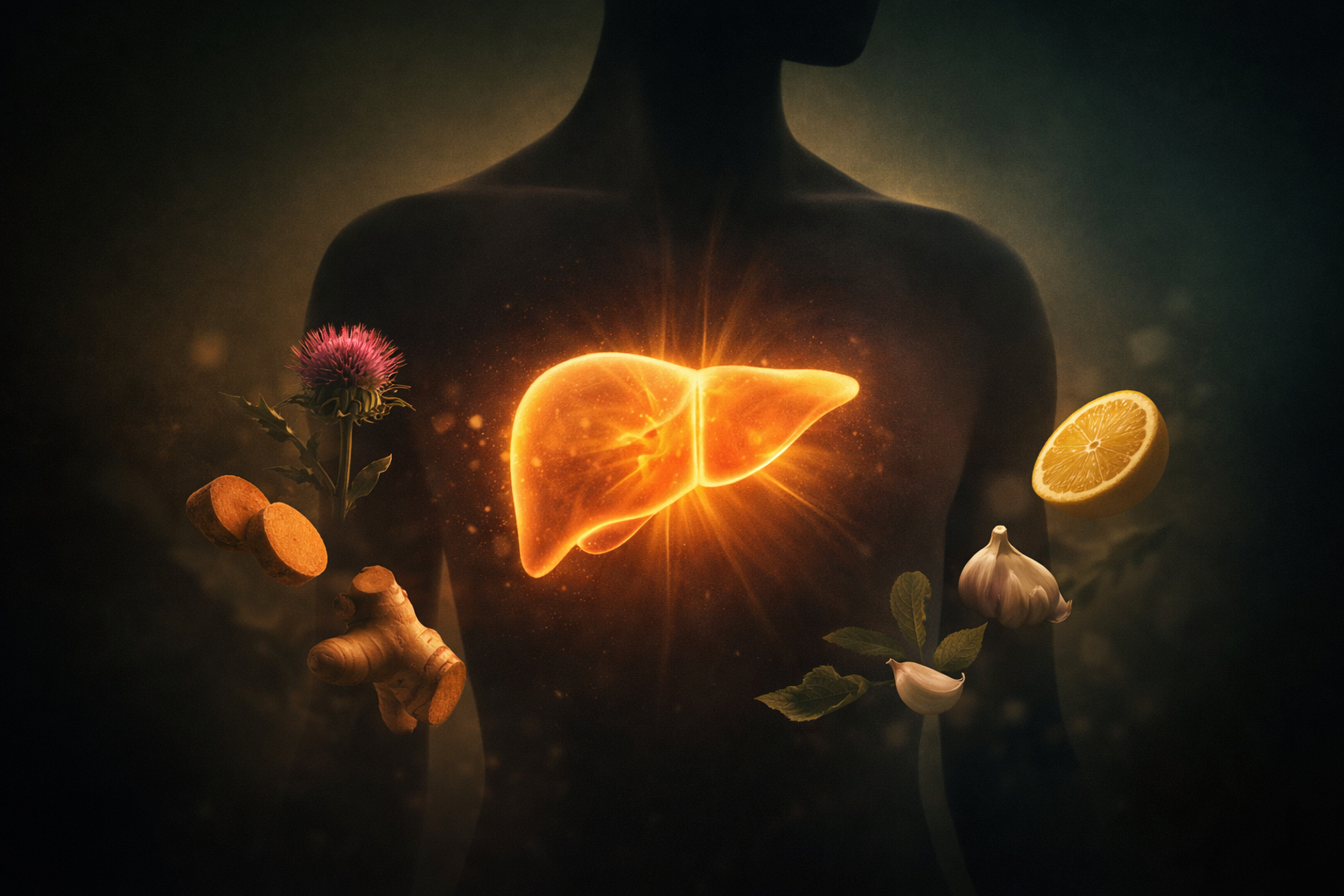
The liver is a vital organ responsible for detoxification, metabolism, hormone balance, and digestion. It filters toxins from the bloodstream, produces bile, and regulates blood sugar and cholesterol levels. Poor dietary habits, alcohol intake, environmental toxins, and chronic inflammation can impair liver function. As a result, many people search for natural ways to repair liver function and support long-term liver health.
Scientific research shows that certain herbs contain bioactive compounds that may protect liver cells and support regeneration. At the same time, Dr. Barbara O’Neill emphasize lifestyle-based healing, highlighting the liver’s remarkable ability to repair itself when given proper nutrition, hydration, and rest.
Understanding Liver Stress and Early Signs
The liver naturally detoxifies the body by converting harmful substances into compounds that can be excreted through bile or urine. When the liver becomes overburdened, early symptoms may appear.
Common Warning Signs of Poor Liver Function
Some commonly reported symptoms include:
- Persistent fatigue and low energy
- Digestive problems such as bloating or nausea
- Skin issues or dull complexion
- Loss of appetite
- Mild abdominal discomfort
In some traditional systems of medicine, these symptoms are sometimes referred to as “liver heat” or liver hotness, which may reflect underlying inflammation or metabolic stress. Scientific evidence shows that oxidative stress and chronic inflammation are major contributors to liver damage, particularly in conditions such as fatty liver disease (source).
How Herbs Support Liver Detoxification and Repair
Many herbs contain antioxidants, polyphenols, and phytochemicals that support the liver’s natural detoxification processes. These compounds help reduce oxidative stress and support the regeneration of liver cells.
Key Mechanisms of Liver-Supportive Herbs
Evidence-based herbs may support liver health through several mechanisms:
- Antioxidant activity: protects liver cells from oxidative damage
- Anti-inflammatory effects: reduces inflammation in liver tissue
- Bile production support: helps digestion and toxin elimination
- Cell regeneration: promotes repair of damaged liver cells
Research shows that plant-derived compounds can enhance liver enzyme activity involved in detoxification pathways (source). From a natural healing perspective, Barbara O’Neill often explains that the liver is self-healing when toxin exposure is reduced and nutrient intake is optimized, highlighting the importance of whole foods and herbal support rather than relying solely on supplements.
Milk Thistle: The Most Studied Herb for Liver Repair
Active Compound: Silymarin
Milk thistle (Silybum marianum) is one of the most researched herbs for liver health. Its active compound, silymarin, has powerful antioxidant and anti-inflammatory properties.
Evidence-Based Benefits
Scientific studies suggest milk thistle may:
- Protect liver cells from toxins
- Improve liver enzyme levels
- Support regeneration of liver tissue
- Reduce oxidative stress in the liver
Clinical studies have shown that silymarin may help improve liver function markers in individuals with liver disease or toxin-related liver damage. Because of this evidence, milk thistle is frequently considered one of the best herbs for liver repair.
Turmeric and Curcumin for Liver Protection
Active Compound: Curcumin
Turmeric (Curcuma longa) contains the active compound curcumin, which has strong anti-inflammatory and antioxidant properties.
Evidence-Based Benefits
Curcumin may contribute to liver protection by:
- Reducing inflammation in liver cells
- Supporting bile production for digestion
- Reducing fat accumulation in the liver
- Improving metabolic function
Research shows curcumin supplementation may improve liver enzyme levels and reduce fat accumulation in people with fatty liver disease. Natural health educators including Barbara O’Neill often recommend turmeric in dietary form, combined with black pepper and healthy fats, to improve absorption and support digestive health.
Ginger, Garlic, and Lemon for Natural Liver Support
Many people ask whether common kitchen ingredients such as ginger, garlic, and lemon are beneficial for liver repair. While they are not as potent as medicinal herbs, they contain compounds that support detoxification and antioxidant defenses.
Potential Benefits
- Ginger: contains gingerols that reduce inflammation and oxidative stress
- Garlic: provides sulfur compounds that support detoxification enzymes
- Lemon: supplies vitamin C and antioxidants that may reduce oxidative damage
Studies indicate that garlic supplementation may improve liver enzyme levels and reduce fat accumulation in individuals with fatty liver disease.These ingredients are commonly used in herbal drinks and teas that support digestion and liver health.
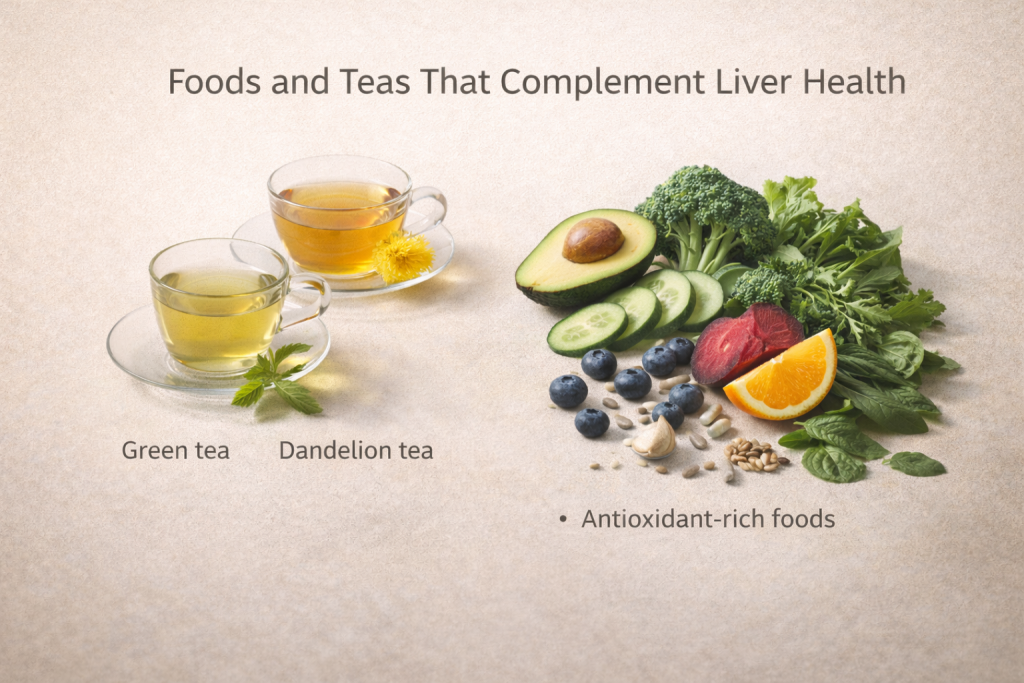
Foods and Teas That Complement Liver Health
In addition to herbs, diet plays a critical role in maintaining liver health. Many people search for the best foods for liver repair or wonder which fruit is best for liver health.
Foods rich in antioxidants and fiber are particularly beneficial. Leafy green vegetables, berries, citrus fruits, and beetroot contain nutrients that support detoxification pathways. Beetroot, for example, contains betalains that may help reduce inflammation and oxidative stress in the liver.
Certain herbal teas, such as green tea or dandelion tea, are also commonly used for liver support. These teas contain plant compounds that may support digestion and antioxidant activity.
Lifestyle Habits That Protect the Liver
Herbs alone cannot fully repair liver damage. Sustainable liver health requires lifestyle changes that reduce stress on the liver.
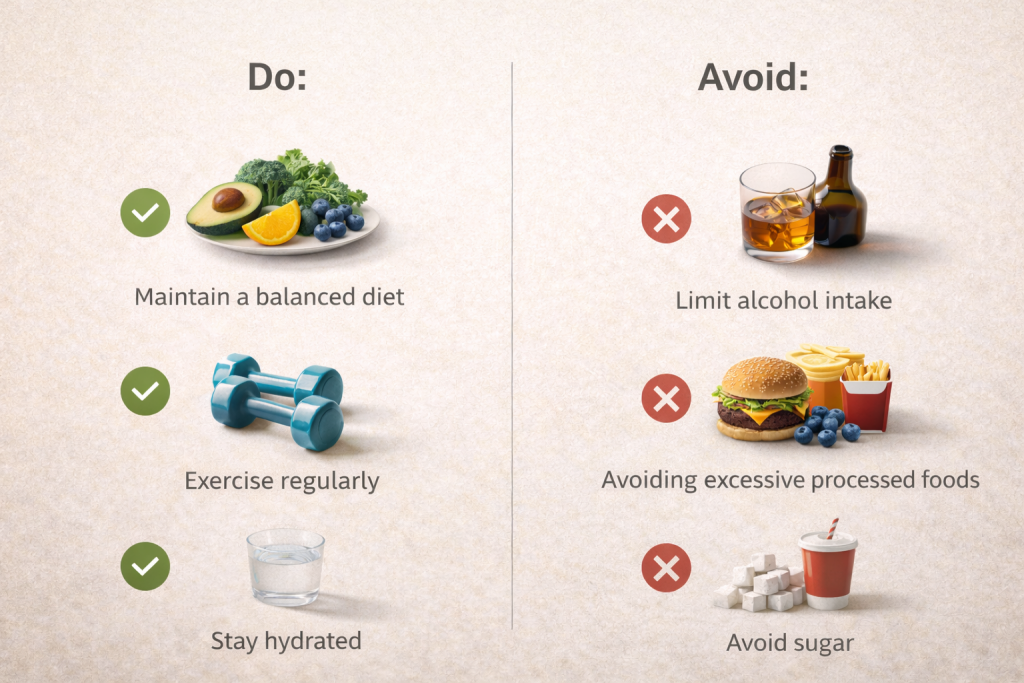
Limiting alcohol intake, maintaining a balanced diet, exercising regularly, and staying hydrated are all important steps. Avoiding excessive processed foods and sugar can also help reduce the risk of fatty liver disease.
People who are considering herbal supplements should consult healthcare professionals, especially if they take medications. Some herbs may interact with medications or should not be taken together.
Conclusion
Evidence-based herbs such as milk thistle and turmeric offer promising support for liver protection and repair. Everyday ingredients like ginger, garlic, and lemon may also contribute to liver health when incorporated into balanced nutrition.
However, true liver healing depends on a holistic approach combining herbs, diet, hydration, and healthy lifestyle practices. As frequently highlighted by Barbara O’Neill, the liver has a remarkable capacity to regenerate when toxin exposure is reduced and the body receives proper nourishment.