
Introduction
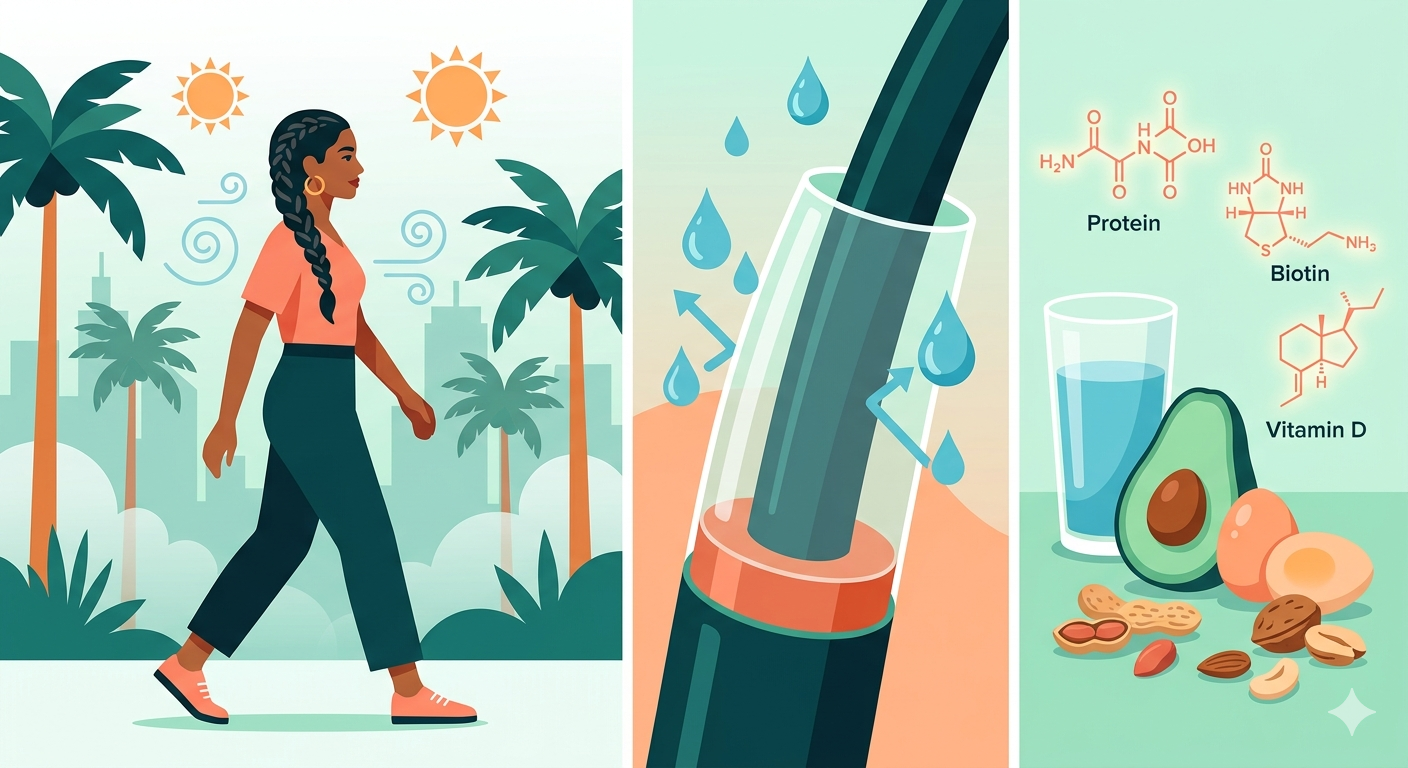
Hot and humid climates can significantly affect hair health, leading to frizz, scalp imbalance, and styling challenges. Whether you’re following a hair care routine in Pakistan or living in any tropical region, understanding the science behind humidity can help you build the best hair care for humid weather.
How Humidity Affects Hair Structure
Humidity refers to the amount of moisture in the air. Hair is highly sensitive to this moisture due to its protein structure, primarily keratin.
How It Works: Moisture Absorption
- Hair absorbs water from the air, especially when the cuticle is raised
- This leads to swelling of the hair shaft, causing frizz and roughness
- Damaged or porous hair absorbs more moisture, worsening the effect
Scientific studies show that hair fibers can absorb up to 30% of their weight in water, altering their shape and texture.
Common Hair Problems in Hot & Humid Weather
Humidity creates a combination of moisture and heat that disrupts scalp and hair balance.
Key Issues to Address
- Frizz and flyaways: Caused by raised cuticles and moisture imbalance
- Oily scalp and sweat buildup: Increased sebum production in heat
- Loss of styling: Hair reverts due to hydrogen bond disruption
- Dullness and breakage: Continuous swelling weakens hair fibers
These concerns highlight why a targeted hair care routine in humid weather is essential.
Essential Hair Care Routine for Humid Climates
A consistent routine can protect your hair from humidity damage while maintaining shine and manageability.
1. Choosing the Right Shampoo
- Use sulfate-free, lightweight formulas
- Look for anti-frizz or smoothing shampoos
- Avoid heavy moisturizing shampoos that cause buildup
The best shampoo for humidity helps maintain scalp hygiene without stripping natural oils.
2. Conditioning for Cuticle Protection
- Apply conditioner mainly to mid-lengths and ends
- Helps smooth cuticles and reduce moisture penetration
- Improves softness and manageability
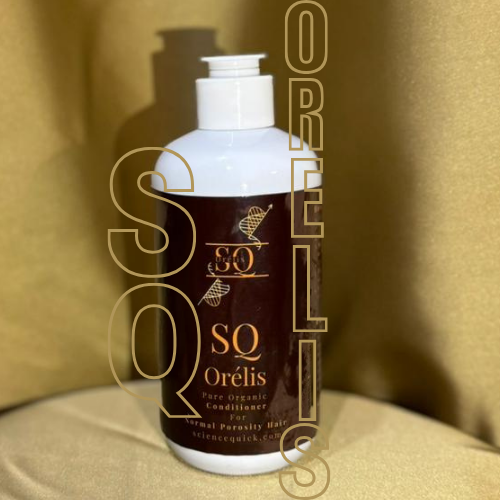
Conditioners containing silicones can reduce frizz by forming a protective barrier. Here is one of the best organic conditioner offered by ‘SQ Orélis’ for damaged and frizz hair, additionally, designed according to your hair type (source)
3. Controlled Washing Frequency
- Wash hair 2–3 times weekly
- Overwashing increases oil production and dryness
4. Use of Anti-Humidity Products
- Serums, leave-in conditioners, and sprays help seal moisture
- These act as barriers against external humidity
These are considered among the best hair care products for humid weather.
How to Manage Frizzy Hair in Humidity
Frizz control requires both prevention and proper styling techniques.
Effective Anti-Frizz Strategies
- Apply serum or light oil to damp hair to lock in moisture
- Avoid rough towel drying; use microfiber or cotton fabric
- Minimize brushing, especially when dry
- Use products with humectants carefully—they can attract excess moisture
If you’re searching how to fix frizzy hair in humidity, consistent hydration and sealing techniques are key.
Best Styling Practices for Humid Weather
Humidity can easily disrupt hairstyles, so adapting your styling approach is important.
Humidity-Friendly Styling Tips
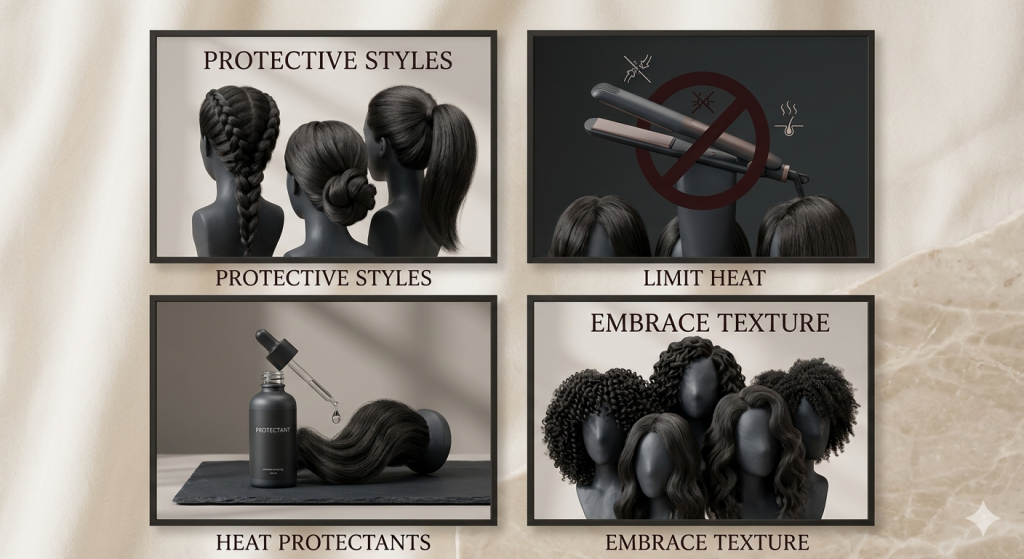
- Protective styles: Braids, buns, and ponytails reduce exposure
- Limit heat styling: Heat weakens hair proteins, increasing frizz risk
- Use heat protectants: Reduces protein damage during styling
- Embrace natural texture: Reduces dependency on styling tools
Heat damage alters keratin structure, making hair more vulnerable to humidity.
Hair Care for Different Hair Types in Humidity
Different hair types require tailored approaches for optimal results.
Curly Hair Care
- Use curl creams and hydrating leave-ins
- Avoid heavy oils that weigh curls down
- Focus on definition and moisture balance
Curly hair is more porous, making it prone to frizz in humidity.
Straight Hair Care
- Use lightweight volumizing products
- Avoid heavy conditioners on the scalp
Wavy Hair Care
- Use light gels or mousses for definition
- Balance moisture and hold
Understanding your hair type helps you choose the best hair care for humidity effectively.
Nutritional Support
Internal health plays a critical role in hair strength and resilience.
Key Nutritional Factors
- Adequate protein intake supports keratin production
- Vitamins like Biotin and Vitamin D support hair growth
- Iron deficiency can contribute to hair weakness and shedding
Research shows that micronutrient deficiencies can impact hair structure and growth (source).
Hydration Matters
Healthy hair is often associated with oils, masks and serums, but internal hydration plays an equally important role in maintaining hair strength and shine. The relationship between hydration and hair health is supported by biological processes that influence scalp condition, follicle activity and moisture balance. Understanding how much water hair really needs requires looking at both internal hydration and external moisture care.
- Drink sufficient water to maintain scalp and hair hydration
- Supports overall hair elasticity and strength
You may read our article on the topic “Hydration and Hair” to understand the importance of hydration for hair health (source).
Conclusion
Managing hair in hot and humid climates requires a balance of science-backed care and practical habits. From choosing the best hair care products for humid weather to adapting your styling routine, small changes can significantly reduce frizz and improve hair health.
By understanding how humidity interacts with your hair and following a consistent routine, you can maintain smooth, healthy, and manageable hair—even in the most challenging climates.