
Introduction
A healthy gut microbiome is essential for digestion, immunity, and overall wellness. The human gut contains trillions of microorganisms that influence everything from nutrient absorption to skin health. One of the most effective ways to support this system is through probiotic foods for healthy gut, which introduce beneficial bacteria and help restore balance.
Natural approaches to gut health—often emphasized by holistic health educators like Barbara O’Neill—focus on nourishing the body through whole, unprocessed foods rather than relying solely on supplements.
What Are Probiotic Foods and Why Do They Matter?
Probiotic foods are rich in live microorganisms that provide health benefits when consumed regularly. These beneficial bacteria support digestion, reduce inflammation and protect against harmful microbes.
From a natural health perspective, Barbara O’Neill often highlights that the body has an innate ability to heal when given the right nutrients. She emphasizes that probiotics through food, rather than pills—are more aligned with how the body naturally restores gut balance.
Best Probiotic Foods for Gut Health
1. Yogurt – A Foundational Gut-Healing Food
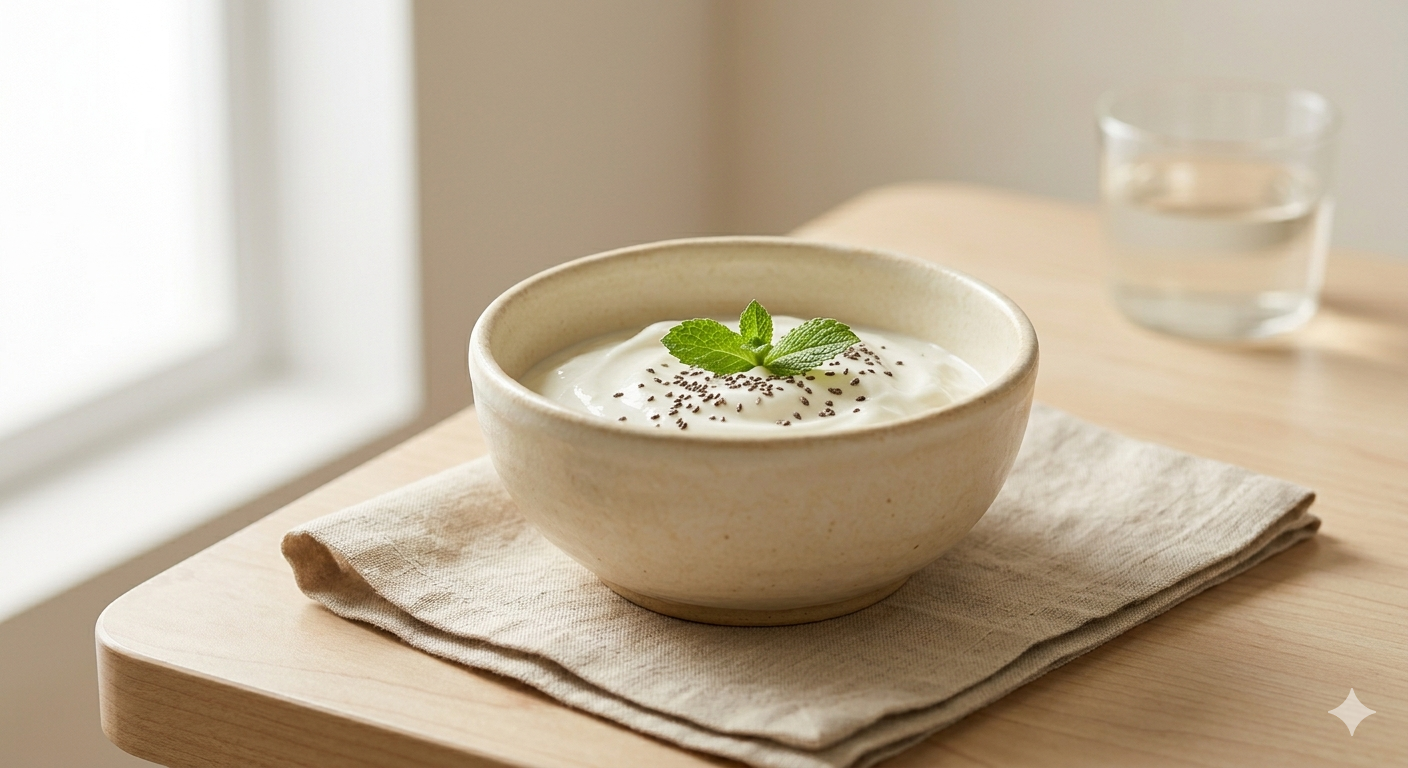
Yogurt is one of the most accessible and effective foods good for gut health. Rich in Lactobacillus and Bifidobacterium, it supports digestion and improves gut flora diversity.
2. Fermented Foods for Microbiome Diversity
Fermented foods are produced through a natural process in which microorganisms such as bacteria or yeast break down sugars into acids, gases, or alcohol. This process enhances flavor, improves shelf life and increases nutritional value. Fermented foods are powerful microbiome boosting foods. These include:
- Kefir
- Sauerkraut
- Kimchi
- Naturally fermented pickles
According to traditional wellness perspectives, fermented foods are considered “living foods” that replenish gut bacteria naturally. You may read our article on the topic “Fermented Foods: How They Improve Gut Health?” to understand the importance of fermented foods for the healthy gut (source).
3. Traditional Probiotic Foods By Region
Looking for probiotic foods in different parts of word, natural options include:
- Asia:
- Kimchi (Korea): Fermented cabbage and vegetables.
- Miso (Japan): Fermented soybean paste.
- Tempeh (Indonesia): Fermented soybeans.
- Chungkookjang (Korea): Fermented soy.
- Khalpi (Nepal): Fermented cucumber.
- Lassi (fermented drink).
- Europe:
- Sauerkraut (Germany/Eastern Europe): Finely shredded, fermented cabbage.
- Kefir (Eastern Europe/Caucasus): Fermented milk drink.
- Aged Cheeses (Various): Gouda, mozzarella, and cheddar.
- Middle East:
- Labneh: Strained yogurt.
These foods align closely with the idea of using traditional diets to improve gut health and digestion naturally.
What Foods Heal Your Gut Microbiome?
While probiotics add beneficial bacteria, prebiotic foods help feed them. A balanced gut requires both.
Key gut-healing foods include:
- Bananas
- Garlic
- Onions
- Whole grains
Barbara O’Neill often emphasizes the importance of whole plant foods in cleansing and nourishing the digestive system. Scientific evidence supports this, showing prebiotics improve gut barrier function and microbial growth (source).
How to Improve Gut Health and Digestion Naturally
Improving gut health doesn’t require complex routines. Simple, consistent habits can transform your microbiome:
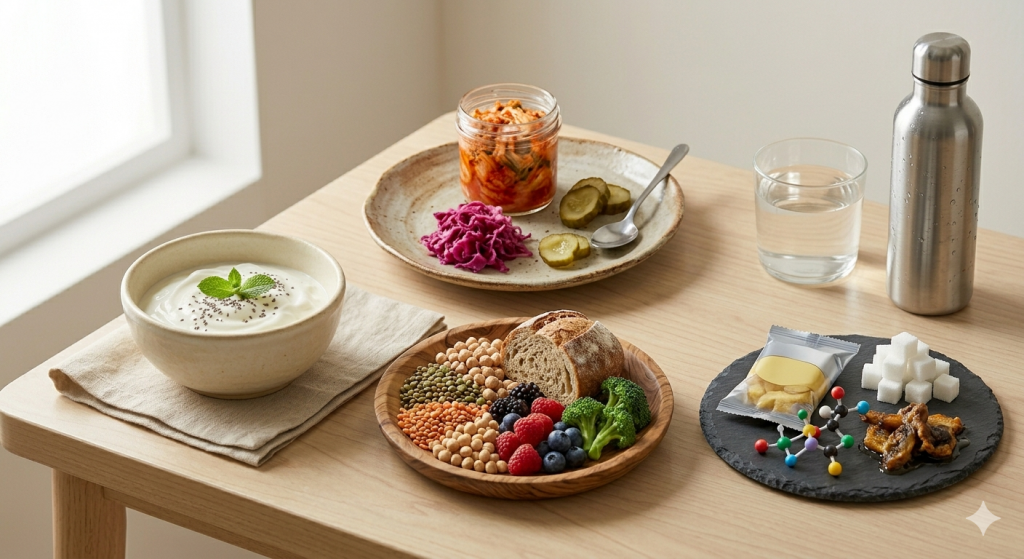
- Eat fermented foods daily
- Focus on fiber-rich natural foods
- Drink plenty of water
- Avoid processed and refined foods
From a natural health viewpoint, the body thrives when digestion is supported rather than overloaded. Research confirms that dietary diversity plays a key role in gut microbiome health.
Signs of an Unhealthy Gut
An imbalanced microbiome can show up in various ways:
- Bloating and gas
- Constipation or diarrhea
- Food sensitivities
- Fatigue
- Skin issues
Both modern research and traditional perspectives agree that these symptoms indicate gut imbalance or dysbiosis.
Foods to Avoid for Better Gut Health
To maintain a healthy microbiome, limit:
- Processed foods
- Excess sugar
- Artificial additives
- Fried foods
Barbara O’Neill often stresses avoiding “dead foods” (highly processed items), as they lack nutrients and can disrupt gut bacteria. Scientific studies also show these foods negatively affect microbial balance.
Probiotic Foods for Special Needs
After Antibiotics
Antibiotics can disrupt gut flora. Including foods good for gut health after antibiotics like yogurt and kefir helps restore balance.
For Inflammation and Weight Balance
Certain probiotic foods support metabolism and reduce inflammation, contributing to better overall health.
For Skin Health
The gut-skin connection highlights how improving gut health can enhance skin clarity and reduce inflammation.
What Is the Best Probiotic for Gut Health?
Many people ask, “what probiotic is best for gut health?” The answer lies in diversity and consistency. A variety of natural probiotic foods ensures exposure to multiple beneficial strains.
From Barbara O’Neill’s perspective, the best probiotic is not a supplement but a lifestyle—one that includes whole, fermented and plant-based foods consumed regularly.
Conclusion
Building a healthy gut microbiome doesn’t require complicated solutions. By including probiotic foods for healthy microbiome—such as yogurt, fermented vegetables, and traditional foods—you can naturally support digestion, immunity, and overall well-being.
Combining scientific understanding with natural dietary principles creates a balanced, sustainable approach to gut health. Small daily choices can lead to lasting improvements in your microbiome and overall health.