

1. Introduction to Edible Seaweeds
Edible seaweeds, also known as edible marine algae, have been consumed for centuries, particularly in coastal and Asian cultures. In recent decades, they have gained global recognition as functional foods due to their dense nutritional profile and potential antiviral properties. Scientific research increasingly highlights seaweeds for their ability to support immune function, reduce inflammation, and provide essential micronutrients. Natural health educators, including Dr. Barbara O’Neill, also emphasize seaweeds as mineral-rich foods that help restore nutritional balance in modern diets.
2. What Are Edible Seaweeds?
Edible seaweeds are multicellular marine algae harvested from oceans and safely consumed by humans. Unlike certain freshwater algae, edible marine algae have a long history of dietary use and are regulated in many countries as food products.
Types of Edible Seaweeds
Edible seaweeds are broadly classified into:
- Green algae (e.g. Ulva or sea lettuce)
- Brown algae (e.g. kelp, wakame)
- Red algae (e.g. nori, dulse)
Each group varies in nutritional composition and bioactive compounds, contributing differently to human health.
3. Nutritional Value of Edible Seaweeds
Seaweeds are among the most nutrient-dense plant foods, providing essential nutrients with low caloric value.
3.1 Macronutrients and Micronutrients
Edible seaweeds are rich in dietary fiber and contain high-quality plant protein, particularly in green algae. They are exceptional sources of minerals such as iodine, iron, calcium, magnesium, and zinc, as well as vitamins A, C, E, and B-complex vitamins, including bioavailable vitamin B12.
Dr. Barbara O’Neill frequently highlights seaweeds as “mineral restorers”, explaining that mineral sufficiency is critical for blood health, thyroid function, and immune resilience. This view aligns with clinical evidence showing that adequate iodine and micronutrients are essential for metabolic, immune regulation and thyroid function. (source)
3.2 Bioactive Compounds
Seaweeds contain diverse bioactive substances such as polyphenols, sulfated polysaccharides, pigments (carotenoids like fucoxanthin, chlorophylls), proteins/peptides, vitamins, minerals, and fatty acids, offering benefits like antioxidant, anti-inflammatory, anticancer, antiviral, and antimicrobial effects, making them valuable for pharmaceuticals, functional foods, cosmetics, and nutraceuticals.
4. Antiviral Properties of Edible Seaweeds
4.1 Is Seaweed Antiviral?
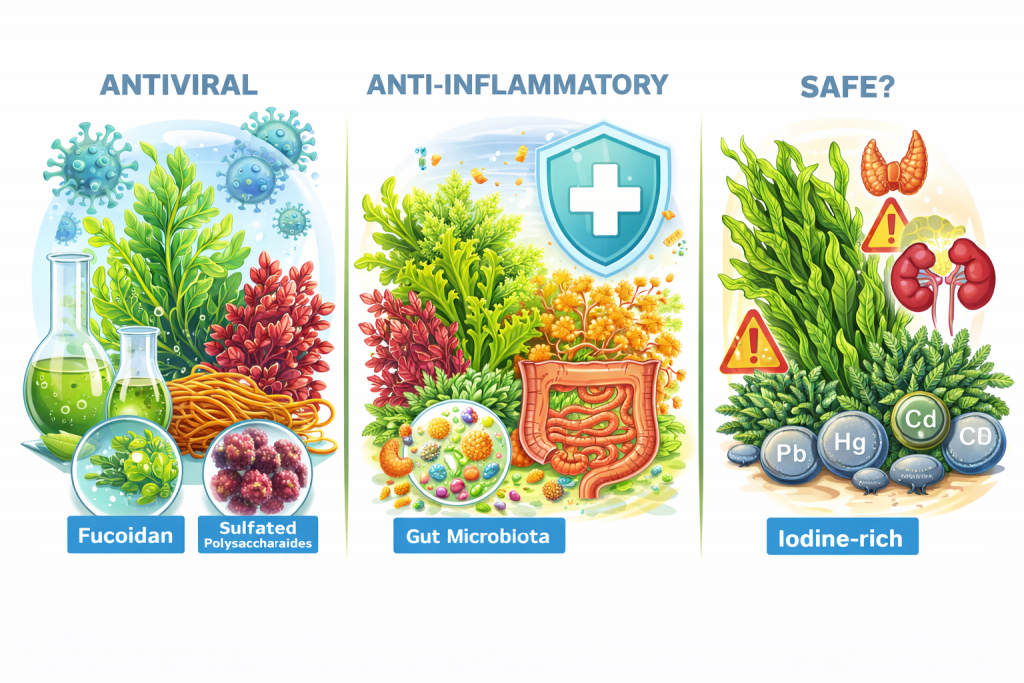
Scientific studies suggest that certain edible seaweeds possess antiviral properties by inhibiting viral attachment and replication. Sulfated polysaccharides derived from red and brown algae have demonstrated activity against several enveloped viruses in laboratory studies. (source)
4.2 Key Antiviral Compounds
Fucoidan, found in brown seaweeds, has received particular attention for its antiviral and immune-modulating effects. Research indicates that fucoidan can stimulate innate immune responses and reduce viral load in experimental settings.
From a holistic perspective, Dr. O’Neill emphasizes that antiviral protection does not come from a single compound but from strengthening the internal environment of the body, where nutrient-dense foods like seaweeds support immune readiness rather than act as direct cures.
5. Anti-Inflammatory and Immune-Boosting Effects
Chronic inflammation compromises immune defenses and increases vulnerability to infections. Edible seaweeds exhibit anti-inflammatory properties that help regulate immune responses. Their polysaccharides support gut microbiota, which plays a central role in immune health.
Dr. O’Neill often explains that gut health and immunity are inseparable, noting that seaweeds may assist natural detoxification by binding to toxins and supporting digestive balance. This aligns with scientific findings that seaweed fibers contribute to reduced inflammatory stress and improved immune signaling.
6. Safety, Side Effects, and Consumption Guidelines
Is It Safe to Eat Seaweed Daily?
While seaweeds are highly nutritious, excessive intake—especially of iodine-rich varieties—can disrupt thyroid function. Moderation and dietary variety are essential for safe consumption. Dr. O’Neill consistently advises using seaweeds as a supportive whole food rather than concentrated extracts, particularly for long-term use.
Who Should Limit Seaweed Intake?
Individuals with thyroid disorders, kidney disease, or those who are pregnant should consult healthcare professionals before regular consumption. Seaweeds may also accumulate heavy metals from seawater, making quality sourcing critical.
7. Global Availability and Consumption
Edible seaweeds are widely consumed in Japan, Korea, and China and are increasingly available in the UK, Pakistan, Australia, the Philippines, and the United States. They are sold in dried sheets, flakes, powders, and whole-food forms through health stores and online markets. (source)
8. Sustainability and Future Research
Seaweeds represent a highly sustainable food source, requiring no freshwater, fertilizers, or arable land. Ongoing research continues to explore their antiviral potential and applications in functional foods and preventive health strategies.
9. Conclusion
Edible seaweeds combine exceptional nutritional density with promising antiviral and immune-supporting properties. Scientific research and holistic health perspectives, including that of Dr. Barbara O’Neill, agree that seaweeds strengthen immunity by restoring mineral balance, reducing inflammation, and supporting gut health. While not a cure for viral diseases, regular and moderate consumption of edible seaweeds can play a valuable role in a balanced, sustainable, and health-promoting diet.