
Introduction
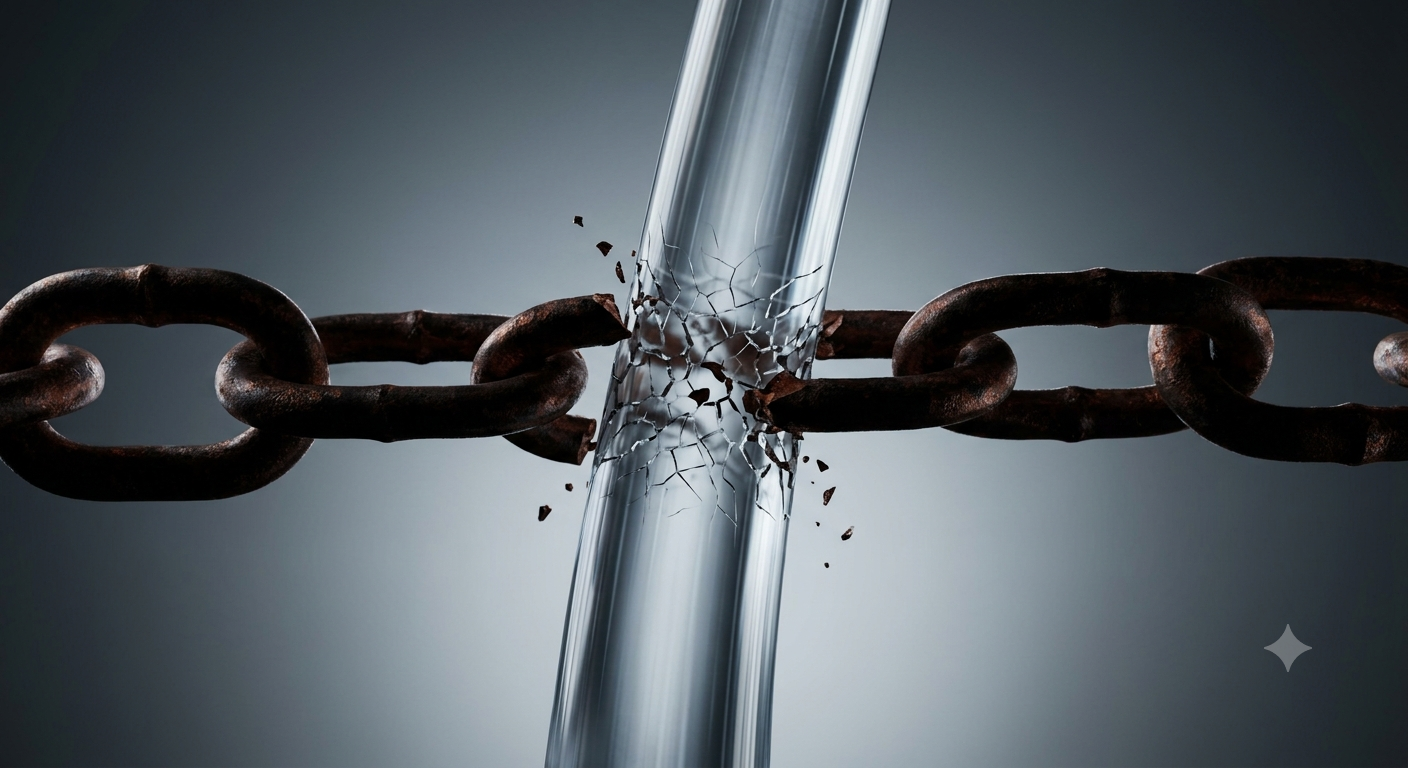
Hair loss is often linked to genetics, hormonal changes, or aging, but oxidative stress is an overlooked factor that can silently damage your hair. When harmful molecules called free radicals outnumber the body’s antioxidants, which weakens hair follicles, disrupts the natural hair growth cycle and may lead to excessive shedding. Research suggests that oxidative damage contributes to common conditions such as telogen effluvium and androgenetic alopecia. Understanding this hidden cause is the first step toward healthier, stronger hair.
What Is Oxidative Stress and How Does It Affect Hair?
In simple terms, it occurs when the body produces more reactive oxygen species (ROS) than its antioxidant defenses can neutralize. While ROS are naturally generated during metabolism, pollution, UV exposure, smoking, poor diet and chronic stress can significantly increase their levels. You may read our previous article to understand the oxidative stress.
Hair follicles are among the body’s most metabolically active tissues, making them especially vulnerable to oxidative damage. Excess free radicals can injure follicle stem cells, damage proteins and DNA, and trigger inflammation around the scalp. According to research published in the International Journal of Trichology, it plays an important role in hair follicle development and hair growth, influencing both the growth (anagen) and resting (telogen) phases.
Without enough antioxidants to protect these cells, hair becomes weaker, thinner, and more prone to breakage and shedding.
Can Oxidative Stress Cause Hair Loss?
The answer is yes. Growing scientific evidence shows that it is closely associated with several forms of hair loss.
Free radicals damage follicular cells by causing lipid peroxidation, DNA injury and chronic inflammation, shortening the hair’s growth phase. As a result, more hairs enter the resting (telogen) stage prematurely, leading to telogen effluvium, a common type of stress-related loss of hair.
Chronic psychological stress also raises cortisol levels, which indirectly increase oxidative stress throughout the body. Elevated cortisol may reduce nutrient delivery to hair follicles while promoting inflammation that further weakens healthy hair growth (source).
Researchers have also observed increased oxidative damage in individuals with androgenetic alopecia, suggesting that oxidative damage not only triggers hair shedding but may accelerate existing hair-thinning conditions.
How to Tell if Hair Loss Is Due to Oxidative Stress
Hair loss caused by oxidative damage usually appears as diffuse thinning rather than isolated bald patches. Many people notice excessive hair shedding after prolonged emotional stress, illness, poor nutrition, or major lifestyle changes.
Common signs include:
- Increased hair fall during washing or brushing
- Overall thinning instead of losing patches of hair
- Slower hair regrowth
- Dry, brittle and fragile hair
- Increased scalp sensitivity or inflammation
Because nutrient deficiencies and hormonal disorders can produce similar symptoms, consult a healthcare professional for proper evaluation. Blood tests may assess iron, vitamin D, vitamin B12, thyroid function and zinc, helping identify other possible causes of hair loss.
Can Hair Loss from Oxidative Stress Be Reversed?
In many cases, stress-related hair loss can be reversed, especially when the underlying cause is addressed early. Hair follicles often recover once oxidative damage is reduced and the normal hair growth cycle resumes.
Several evidence-based strategies may help:
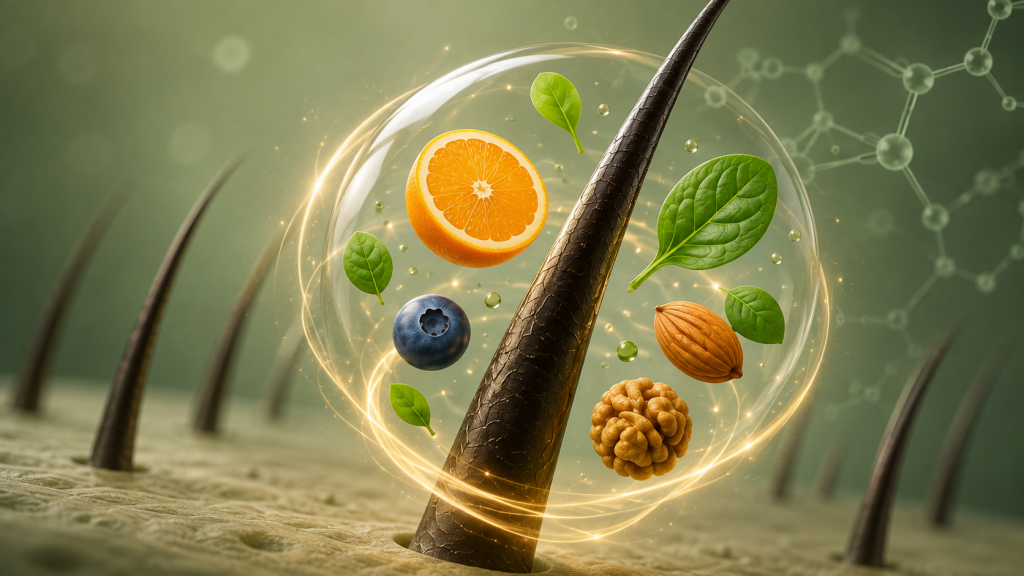
- Eat antioxidant-rich foods such as berries, leafy greens, citrus fruits, nuts, seeds, beans and green tea.
- Increase nutrients that support healthy follicles, including vitamins C and E, zinc, selenium, omega-3 fatty acids, and protein.
- Practice stress-reducing activities like meditation, deep breathing, yoga, or regular exercise to lower cortisol levels.
- Get 7–9 hours of quality sleep to support cellular repair.
- If recommended by a dermatologist, treatments such as minoxidil may help stimulate hair regrowth in suitable cases.
Hair typically begins improving within three to six months after the underlying stressor is controlled, although recovery varies between individuals.
How to Reduce Oxidative Stress for Healthier Hair
Small lifestyle changes can significantly reduce oxidative damage and protect your hair follicles.
- Eat a colorful, antioxidant-rich diet every day.
- Stay physically active with moderate exercise.
- Avoid smoking and limit excessive alcohol intake.
- Protect your hair and scalp from prolonged UV exposure.
- Manage stress through mindfulness or relaxation techniques.
- Stay hydrated and prioritize consistent sleep.
These habits not only improve scalp health but also support long-term hair growth by reducing inflammation and protecting follicle cells from ongoing oxidative damage.
Support Damaged Hair with an Organic Hair-Care Solution
Reducing oxidative stress starts from within, but your hair also needs protection from external damage. UV exposure, pollution, chemical treatments, heat styling and scalp irritation can increase oxidative stress and contribute to deterioration of the hair and scalp environment.
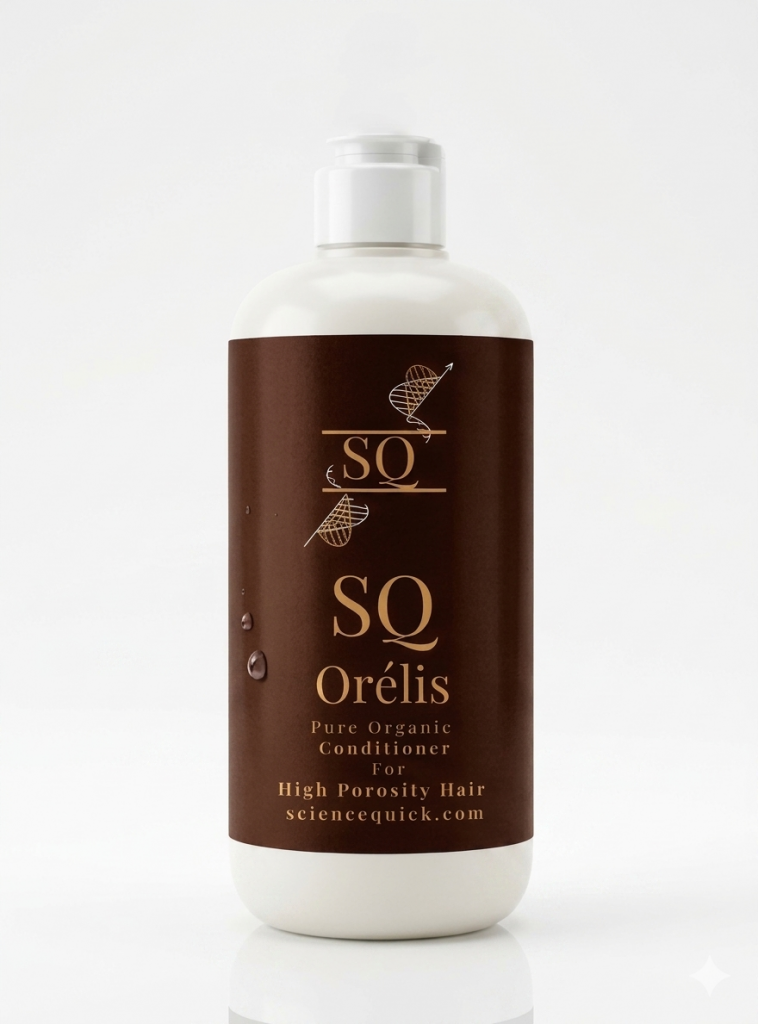
If your hair feels dry, weak, brittle, or visibly damaged, consider adding plant-based conditioner from SQ Orélis to your hair-care routine. This conditioner is a customized hair-care formula specially designed to nourish and condition damaged hair while providing a more natural approach to everyday hair maintenance.
Give your damaged hair the care it deserves. Try SQ Orélis and make it part of your journey toward healthier-looking, stronger hair.
Conclusion
Oxidative stress is a hidden yet scientifically recognized cause of hair loss. By damaging hair follicles, increasing inflammation, and disrupting the hair growth cycle, excessive free radicals can contribute to noticeable thinning and shedding. Fortunately, adopting an antioxidant-rich diet, managing stress, improving sleep, and seeking appropriate medical advice can help restore healthier hair and protect follicles from further damage.