
Introduction
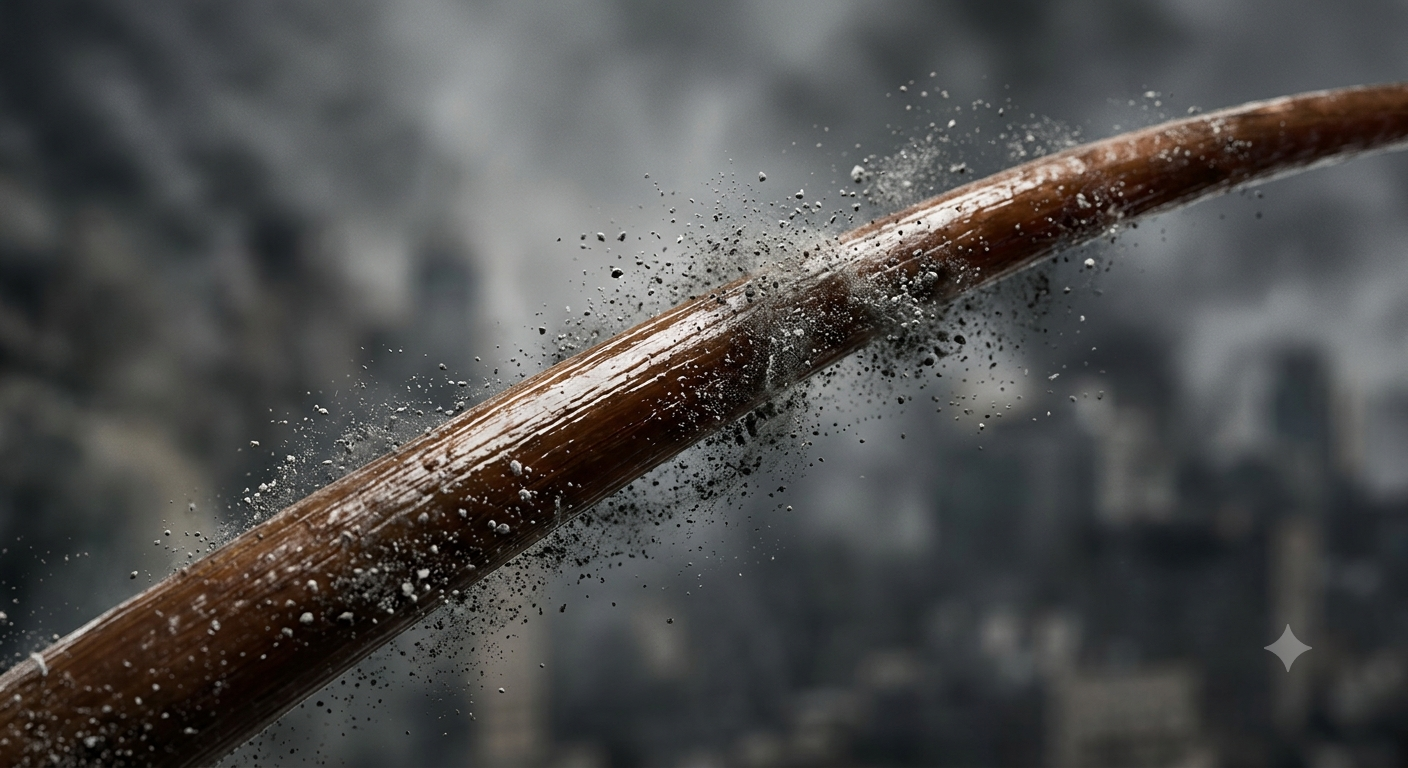
Daily exposure to airborne pollutants, heavy metals, ultraviolet (UV) radiation, and contaminated water can weaken hair fibers, irritate the scalp and disrupt the natural hair growth cycle. Environmental pollution is widely recognized for its harmful effects on the lungs and skin, but its impact on hair health is often overlooked. Over time, these environmental pollutants trigger oxidative stress, leading to dullness, breakage, premature greying, and even hair thinning. Understanding how pollution affects hair and adopting protective habits can help preserve healthy, resilient hair despite increasing environmental challenges.
How Does Pollution Affect Hair?
Environmental pollutants such as particulate matter (PM2.5), vehicle emissions, cigarette smoke, ozone, volatile organic compounds and heavy metals accumulate on the scalp and hair shaft throughout the day. This pollution buildup in hair weakens the scalp’s protective barrier and increases the production of reactive oxygen species (ROS), commonly known as free radicals. These unstable molecules damage keratin proteins—the primary structural component of hair—and oxidize the natural lipids that keep hair hydrated and flexible. Research has shown that oxidative stress plays a significant role in hair follicle aging and hair disorders.
Pollutants also clog hair follicles and disrupt the scalp microbiome, making the scalp more vulnerable to inflammation, irritation, dandruff and reduced hair quality. As pollution exposure continues over months or years, these effects become increasingly noticeable.
Common signs of pollution-related hair damage
Some of the common signs of the hair damage caused by pollution:
- Dry, brittle, or rough hair
- Dull appearance and loss of shine
- Increased split ends
- Excessive hair shedding
- Itchy or inflamed scalp
- Premature greying
- Weak hair growth
Long-Term Effects of Pollution on Hair and Scalp
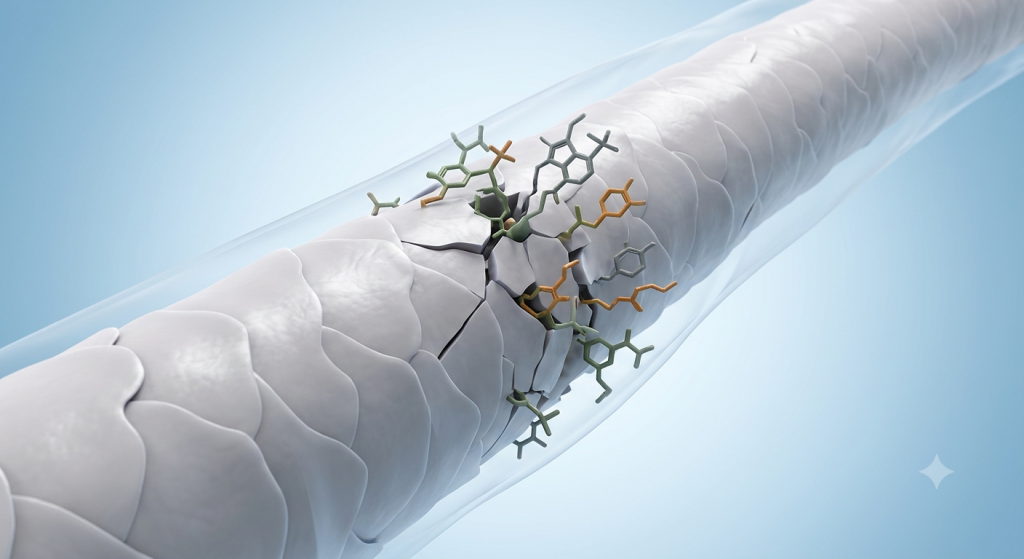
The long-term impact of pollutants on hair health extends beyond temporary dryness. Continuous exposure gradually weakens the hair shaft, causing hair to become brittle, rough, and more prone to split ends. Pollution-induced oxidative stress also accelerates the breakdown of melanin-producing cells, contributing to premature greying. You may read our article to know more about the causes of premature grey hair
Inflammation of the scalp is another major concern. Airborne pollutants can increase scalp sensitivity, excessive oil production, or dryness depending on individual skin conditions. Persistent inflammation may interfere with the normal hair growth cycle, causing more follicles to enter the resting (telogen) phase, which increases daily hair shedding.
Heavy metals such as lead, cadmium, and arsenic may accumulate in hair and scalp tissues over time. Although hair loss is influenced by many factors—including genetics, hormones, nutrition, and stress—environmental pollution can act as an additional contributor by weakening follicles and reducing overall hair resilience.
Can Your Environment Affect Your Hair?
Absolutely. While air pollution is a major culprit, several environmental factors work together to influence hair health.
Hard water, rich in calcium and magnesium minerals, leaves deposits on the hair surface that reduce moisture and increase breakage. Prolonged UV radiation degrades hair proteins and fades natural pigments, while industrial chemicals and indoor pollutants further increase oxidative damage. Seasonal changes, humidity, and extreme temperatures can also weaken the scalp barrier and reduce hair elasticity.
Studies have found that people living in highly polluted urban environments often experience greater scalp irritation and poorer hair quality than those in cleaner environments, suggesting that environmental exposure plays a meaningful role in long-term hair health (source).
How to Protect Hair from Pollution Damage
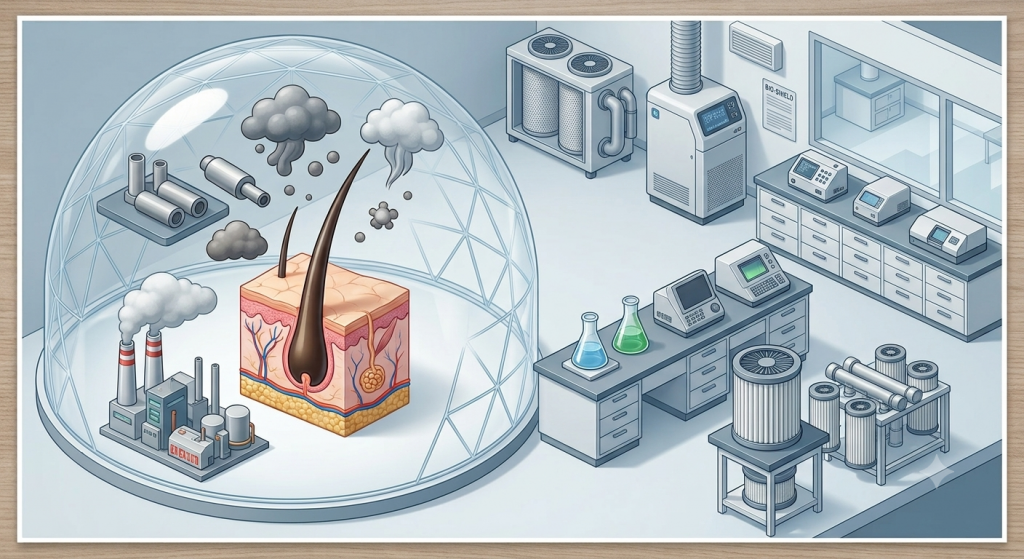
Although avoiding pollution completely is impossible, adopting protective habits can significantly reduce its effects.
Cleanse Away Pollution Buildup
Wash your hair regularly with a gentle sulfate-free shampoo to remove dust, smoke particles, excess oil, and pollutants. Use a clarifying shampoo once or twice monthly if heavy pollution exposure is common.
Strengthen Hair with Antioxidants
Hair care products containing Vitamin C, Vitamin E, niacinamide, green tea polyphenols, or botanical antioxidants help neutralize free radicals before they damage hair proteins.
Moisturize and Repair
Deep-conditioning treatments restore lost moisture and reinforce the hair cuticle, reducing breakage caused by pollution-induced dryness.
Protect Your Hair Outdoors
Wearing a hat, scarf, or UV-protective hair products minimizes direct exposure to airborne particles and sunlight.
Support Hair from Within
A balanced diet rich in fruits, vegetables, omega-3 fatty acids, zinc, iron, biotin and protein supports healthy hair follicles by reducing oxidative stress and promoting normal hair growth.
Conclusion
The long-term impact of pollutants on hair health is becoming increasingly evident as environmental pollution continues to rise worldwide. Airborne pollutants, UV radiation, heavy metals, and contaminated water collectively weaken hair fibers, disrupt the scalp barrier, and accelerate oxidative stress. While pollution is rarely the sole cause of hair loss, it can significantly worsen existing hair concerns. Fortunately, consistent cleansing, antioxidant-rich hair care, proper nutrition, and environmental protection can minimize pollution-related damage and support stronger, healthier hair for years to come.