
Introduction
Scientists now recognize that the gut microbiome and its impact on human health extend far beyond digestion. Research increasingly shows that the trillions of microorganisms living in the digestive tract influence mood, anxiety, stress response and overall mental well-being through a communication network known as the gut-brain axis. Have you ever experienced “butterflies” in your stomach before an important event or noticed digestive issues during stressful periods? These common experiences highlight the powerful relationship between the gut and the brain.
What Is the Gut Microbiome?
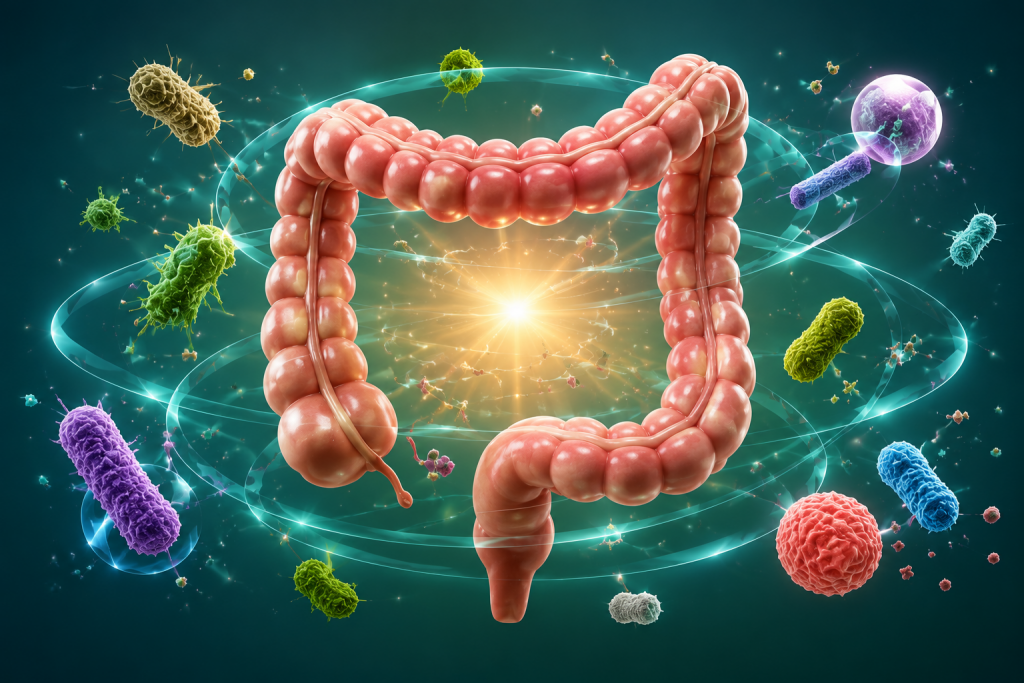
The gut microbiome consists of trillions of bacteria, fungi, viruses and other microorganisms that live primarily in the intestines. While some microbes can be harmful, many beneficial bacteria help digest food, produce essential nutrients, regulate metabolism and support immune function.
Research on the impact of gut microbiota on human health suggests that a diverse and balanced microbiome is essential for maintaining digestive, metabolic and neurological health. Scientists have identified strong links between gut microbiota and immune health, demonstrating that gut microbes help regulate inflammation and immune responses throughout the body. When this balance is disrupted, both physical and mental health may be affected.
How Gut Bacteria Influence Your Mood
The gut and brain communicate through the gut-brain axis, a complex two-way network involving the nervous system, immune system, hormones and microbial metabolites. Through this pathway, gut bacteria can send signals that influence emotions, cognition and behavior.
One of the most fascinating discoveries is the connection between gut microbes and serotonin production. Approximately 90% of the body’s serotonin is produced in the gastrointestinal tract and gut bacteria play an important role in regulating this process. Serotonin helps regulate mood, sleep, appetite and emotional stability.
Beneficial bacteria also produce short-chain fatty acids (SCFAs) and other compounds that influence brain function and help maintain healthy communication between the gut and the central nervous system. Studies examining how the gut microbiome affects health have shown that microbial activity can influence brain connectivity and emotional processing. You may read our article on gut-brain axis to understand how gut bacteria influence your mood.
How Gut Bacteria Contribute to Anxiety and Depression
Researchers continue to investigate how gut bacteria contribute to anxiety and depression. Individuals with anxiety and depressive disorders often exhibit differences in gut microbial composition compared to healthy individuals. One common finding is a reduction in beneficial bacteria that produce anti-inflammatory compounds. This imbalance, known as dysbiosis, may contribute to chronic low-grade inflammation that affects brain function and emotional regulation (source).
Emerging evidence suggests that disruptions in the microbiome may alter neurotransmitter production, stress hormone regulation and immune signaling pathways, potentially increasing vulnerability to anxiety, depression and mood disturbances.
Signs of a Gut Bacteria Imbalance
Many people wonder how to know if they have gut issues. Common gut bacteria imbalance symptoms may include:
- Bloating and excessive gas
- Constipation or diarrhea
- Food intolerances
- Chronic fatigue
- Brain fog
- Sleep disturbances
- Mood swings
- Increased anxiety or irritability
These gut bacteria symptoms in humans do not always indicate a microbiome problem, but persistent symptoms may suggest an imbalance that warrants attention.
Causes of Imbalance in Gut Bacteria
Several factors can negatively affect microbial diversity. Frequent antibiotic use is one of the most common causes because antibiotics can eliminate beneficial bacteria alongside harmful ones. Research examining the effect of antibiotics on gut microbiota, gut hormones and glucose metabolism suggests that these changes may have long-term effects on metabolic and digestive health.
Other factors that impact gut health include highly processed diets, excessive sugar intake, chronic stress, poor sleep quality, sedentary lifestyles and insufficient fiber consumption. Understanding what causes an imbalance in gut bacteria is essential for maintaining a healthy microbiome.
How to Improve Gut Health and Support a Better Mood
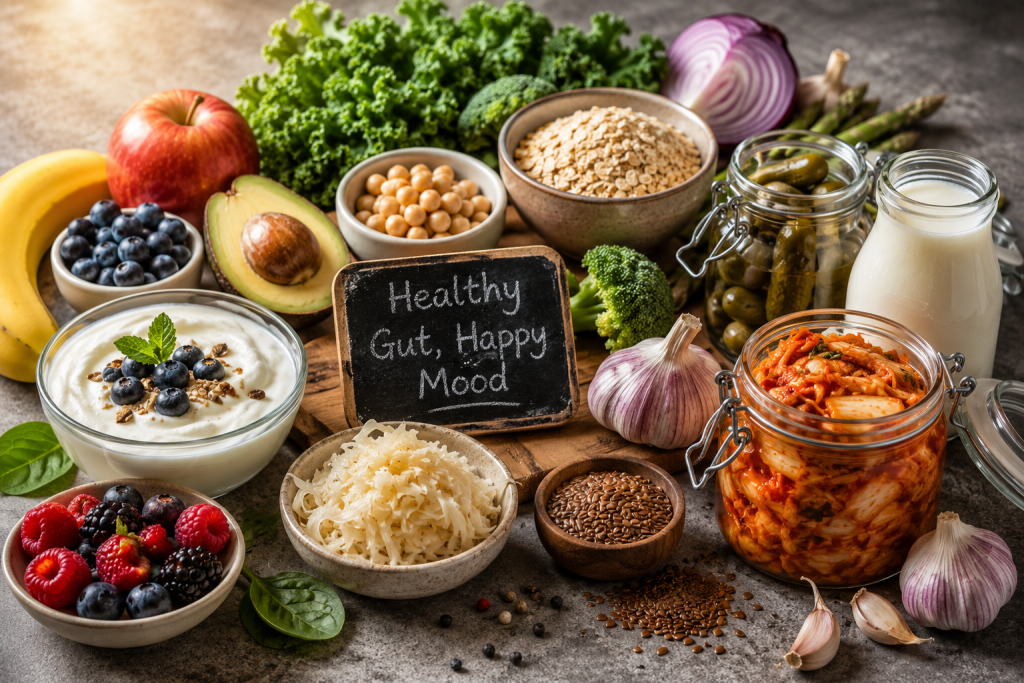
Supporting a healthy gut microbiome starts with daily lifestyle habits. Consuming fiber-rich fruits, vegetables, legumes, nuts and whole grains helps nourish beneficial bacteria. Fermented foods such as yogurt, kefir, kimchi and sauerkraut may also promote microbial diversity.
Regular exercise, stress management practices, adequate sleep and limiting unnecessary antibiotic use further support gut health. These strategies help strengthen gut microbiota and immune response, reduce inflammation and promote a healthier gut-brain connection.
Conclusion
The science behind how gut bacteria influence your mood continues to evolve, but the evidence is increasingly clear: the gut microbiome plays a critical role in mental and physical health. Through its influence on serotonin production, immune regulation, inflammation and metabolism, the gut microbiome affects how we think, feel and respond to stress. By prioritizing gut health through nutrition and lifestyle choices, you can support a healthier microbiome and potentially improve both mood and overall well-being.