
Introduction
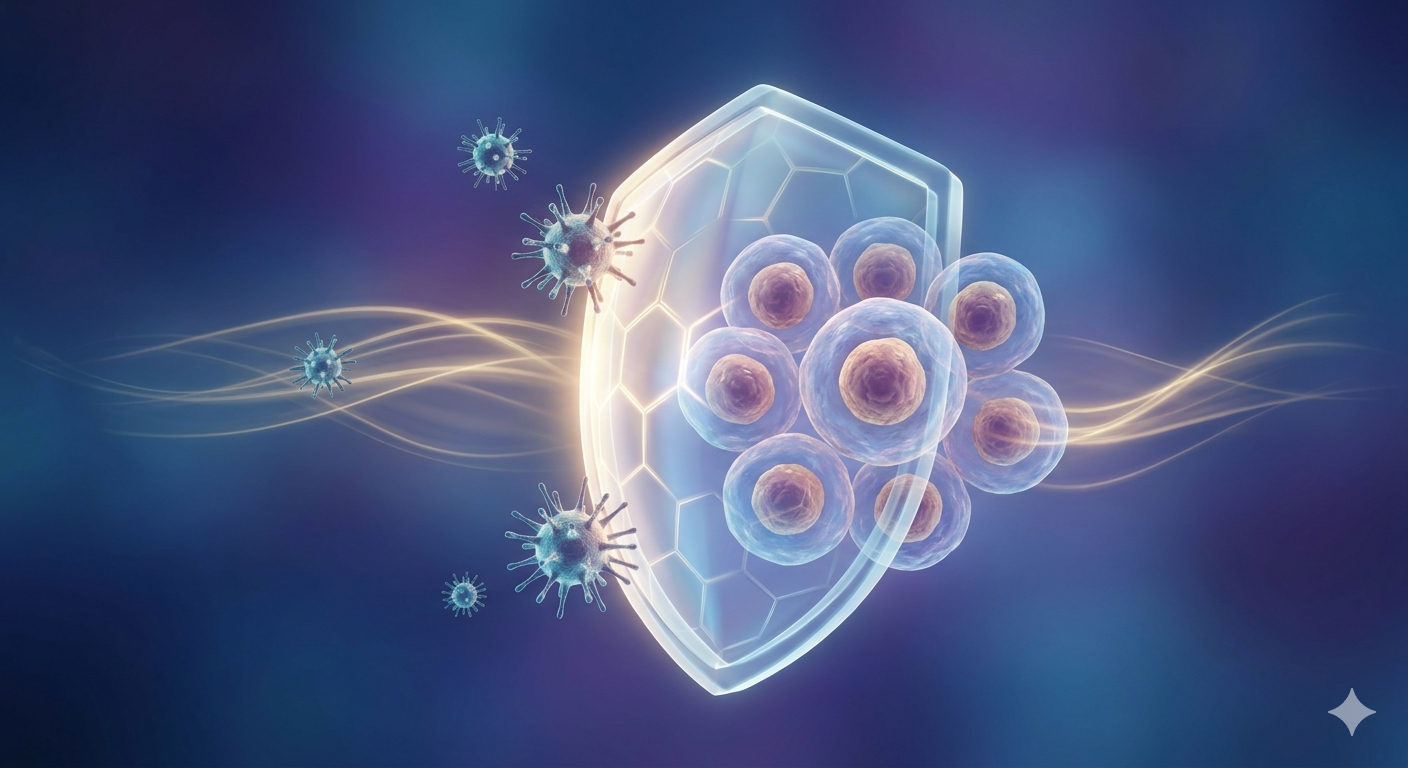
Intermittent fasting (IF) and immunity have become widely discussed topics in modern health research. From weight loss benefits to immune system support, fasting is often promoted as a natural wellness strategy. Practices such as Ramadan fasting and the 16:8 intermittent fasting method have raised questions like: does IF weaken your immune system, or can it actually improve immune function? Current scientific evidence suggests that intermittent fasting may positively influence immune system and metabolism when practiced correctly.
Can Intermittent Fasting Improve Immune Function?
Several studies suggest that IF and immune function may be positively linked. Prolonged fasting may stimulate stem-cell-based regeneration of white blood cells during refeeding periods. This finding led to discussions about whether fasting can “reset” the immune system.
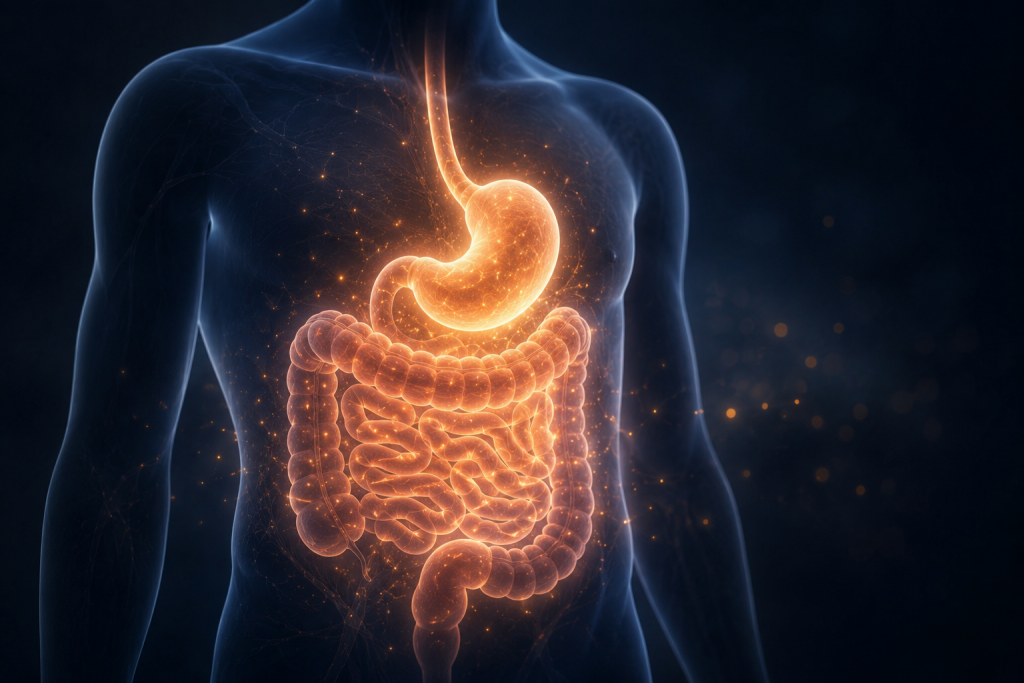
Fasting may also support gut health, which plays a major role in immunity. Around 70% of immune activity is connected to the gut microbiome. Time-restricted eating patterns may improve gut balance, helping reduce inflammation and strengthen immune response.
Additionally, fasting may reduce risk factors associated with obesity, diabetes and cardiovascular disease, all of which are linked to chronic inflammation and impaired immune function. Studies also show that fasting may increase production of ketones, which can help reduce oxidative stress and inflammatory pathways (source).
Intermittent Fasting Influences Immunity and Metabolism
Intermittent fasting involves cycling between eating and fasting periods. During fasting, the body gradually shifts from glucose metabolism to fat burning, improving metabolic flexibility and insulin sensitivity. Fasting may also reduce chronic inflammation, which is closely linked to weakened immune activity and metabolic disorders. Lower inflammation levels may help the immune system function more efficiently.
Another important mechanism is autophagy, a cellular “cleanup” process activated during fasting. According to research by Yoshinori Ohsumi, who received the Nobel Prize for discoveries related to autophagy, fasting helps the body remove damaged cellular components and recycle them for energy.
Does Fasting Weaken Your Immune System?
One of the most searched questions online is whether fasting weakens the immune system. Scientific evidence suggests that moderate fasting is generally safe for healthy adults, but extreme fasting or poor nutrition may negatively affect immune health.
Severe calorie restriction can lead to nutrient deficiencies, muscle loss, fatigue and reduced immune defenses. This is why balanced nutrition during eating periods is essential. Consuming enough protein, vitamins, minerals and fluids helps maintain both metabolism and immune function.
Hydration is equally important, especially during longer fasting periods. Drinking sufficient water and eating nutrient-rich foods during non-fasting hours can help prevent weakness and dehydration. Experts also recommend that people with chronic illnesses, diabetes, eating disorders or weakened immune system consult healthcare professionals before starting intermittent fasting.
Fat Loss, Inflammation and Skin Health
Intermittent fasting is widely associated with fat loss because fasting encourages the body to use stored fat as energy. Excess body fat, especially visceral fat, increases chronic inflammation, which can weaken the immune activity over time. By promoting fat reduction, intermittent fasting may indirectly improve immune response.
From clearer skin to anti-aging effects, research suggests fasting may influence the skin through inflammation control, hormonal balance, and cellular repair. You may read our article on the topic “Intermittent Fasting And Skin Health”.
Many people also worry about muscle loss during fasting. Research suggests that combining intermittent fasting with adequate protein intake and resistance exercise can preserve lean muscle while supporting fat loss. This makes fasting a useful strategy for improving body composition without severely affecting metabolism.
Conclusion
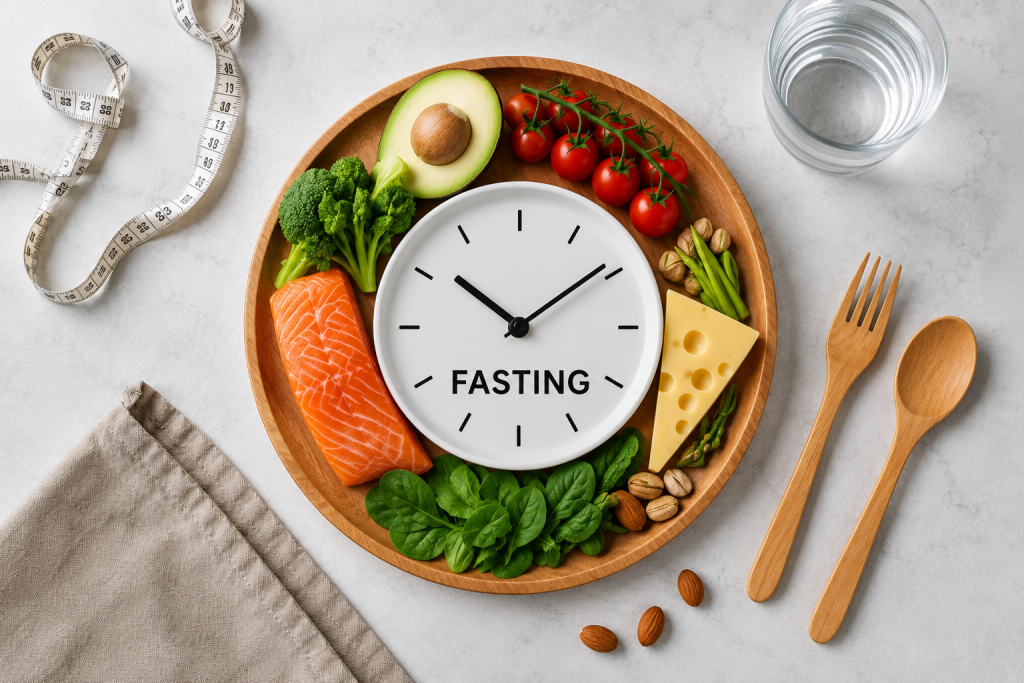
Scientific evidence suggests that intermittent fasting and immune health are closely connected. Moderate IF may support immune health by reducing inflammation, improving metabolism, promoting autophagy and supporting cellular repair. However, fasting is not a miracle cure, and excessive restriction may weaken the immune system if nutritional needs are ignored.
Overall, intermittent fasting appears to be more science than myth when combined with healthy eating, hydration, exercise and proper medical guidance. Responsible fasting may offer both metabolic and immune health benefits, making it a promising lifestyle approach for long-term wellness.