
Introduction
Split ends are among the most common signs of hair damage, affecting people of all hair types and lengths. Whether caused by heat styling, chemical treatments, environmental exposure or poor hair care habits. It can leave hair looking dry, frizzy and unhealthy. Many people search for ways to repair split ends naturally without cutting their hair, often turning to coconut oil, hair masks and nutritional remedies. But what does science actually say? Understanding the biology of hair damage can help determine whether split ends can truly be repaired naturally or simply managed more effectively.
What Are Split Ends?
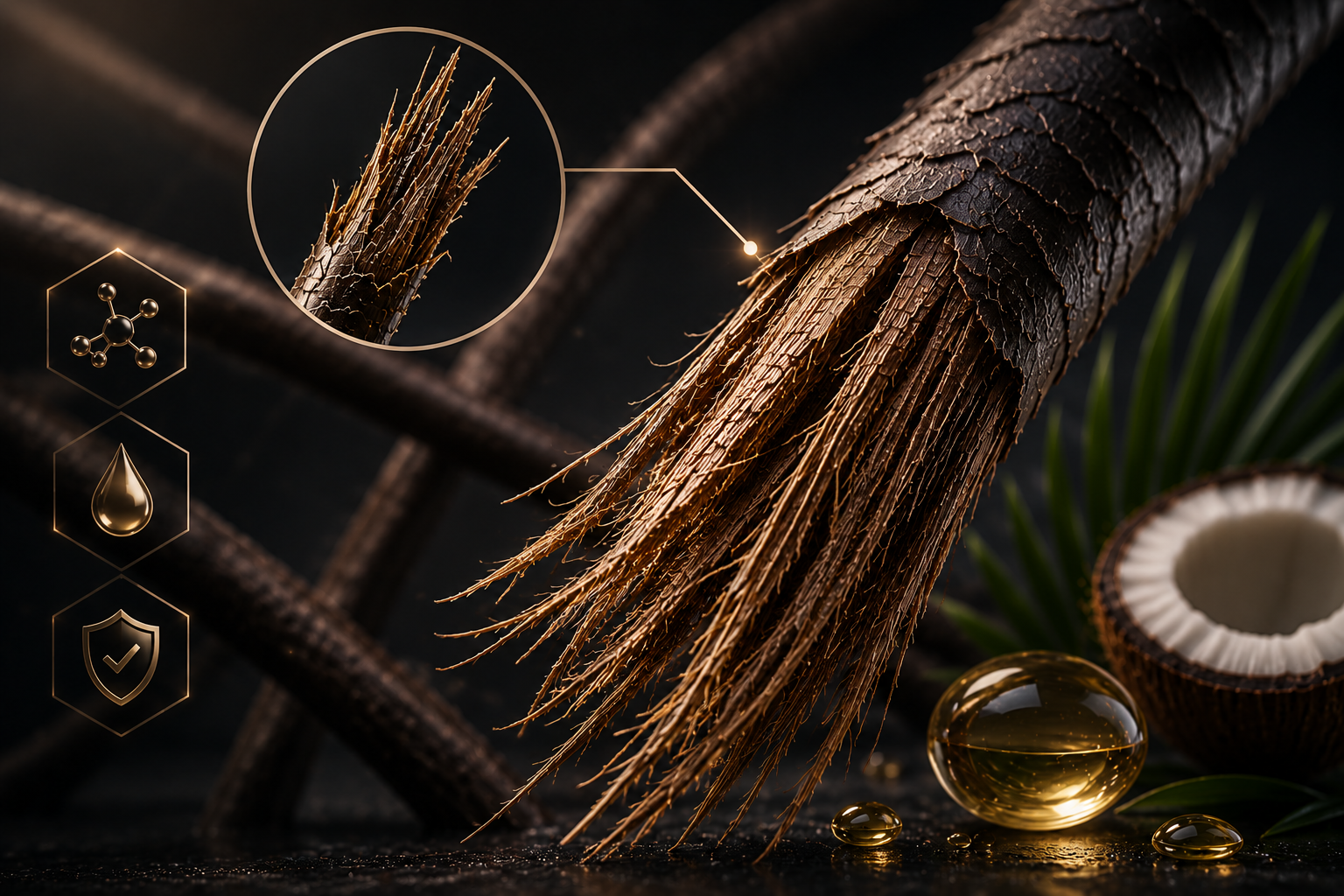
Split ends, medically known as trichoptilosis, occur when the protective outer layer of the hair shaft, called the cuticle, becomes damaged and begins to peel away. Hair is composed primarily of keratin protein arranged in layers that protect the inner cortex. When these protective layers weaken, the hair fiber starts splitting into two or more strands.
Research published in the International Journal of Trichology explains that hair shaft disorders such as trichoptilosis result from mechanical, chemical and environmental damage that compromises cuticle integrity. As the damage progresses, the split can travel upward, increasing breakage and reducing hair quality.
Why Do Hair Ends Split?
The ends of the hair are the oldest part of the hair strand and have experienced the greatest amount of wear and tear. Several factors contribute to split ends:
- Frequent use of hot styling tools
- Chemical treatments such as bleaching, coloring and perming
- Excessive brushing and friction
- UV radiation and environmental pollution
- Dry air and moisture loss
- Nutritional deficiencies affecting hair structure
Split Ends vs Dry Ends
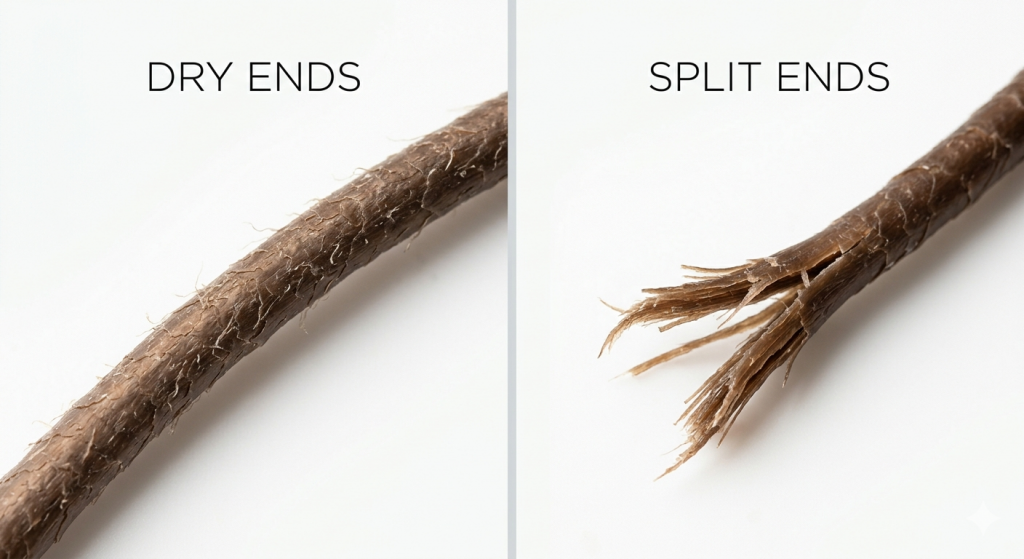
Many people confuse split ends with dry ends, but they are not the same condition. Dry ends occur when the hair lacks sufficient moisture, resulting in rough texture, dullness and increased tangling. Split ends involve actual structural damage where the hair shaft separates into multiple fragments.
Dry ends can often be improved with conditioners, oils and hydration treatments. However, it represent physical deterioration of the hair fiber itself. This distinction is important because treatments that improve dryness may not completely resolve split ends.
Can Split Ends Really Be Repaired Naturally?
One of the most frequently asked questions is whether they can be repaired without cutting. From a scientific perspective, the answer is largely no. Hair fibers are composed of dead keratinized cells and lack the biological mechanisms necessary for self-repair.
Products marketed as split-end repair treatments typically work by coating damaged fibers and temporarily binding split sections together, creating a smoother appearance. Therefore, natural remedies may improve the look but cannot permanently reverse the structural damage.
Can Natural Oils Help Split Ends?
Although natural oils cannot truly repair, they can help protect hair from further damage. Among all oils, coconut oil has received significant scientific attention because of its ability to penetrate the hair shaft.
A landmark study published in the Journal of Cosmetic Science found that coconut oil reduces protein loss from both damaged and undamaged hair due to its unique molecular structure and affinity for hair proteins (source).
Other beneficial oils include:
- Argan oil for hydration and antioxidant protection
- Castor oil for conditioning benefits
- Jojoba oil for moisture retention
- Almond oil for vitamin E nourishment
These oils can smooth the cuticle, reduce frizz and minimize future splitting, making hair appear healthier.
Can Split Ends Be Fixed Without Cutting?
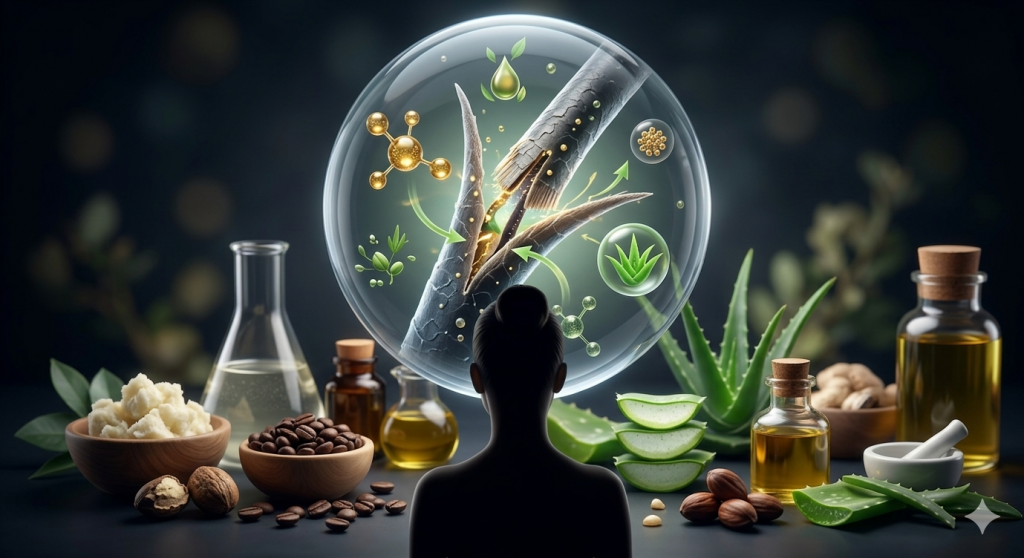
Many people hope to save split ends without trimming, but scientific evidence suggests that cutting remains the most effective solution. While conditioners, hair serums, protein treatments and oils can temporarily seal damaged fibers, they do not eliminate the split.
In fact, leaving split section untreated may allow the damage to progress further up the hair shaft, increasing breakage. Regular trimming removes damaged portions and helps maintain healthier-looking hair overall.
Prevent Split Ends Naturally
Preventing them is far easier than treating them. To reduce hair damage naturally:
- Limit heat styling and always use a heat protectant
- Avoid excessive chemical treatments
- Use gentle shampoos and nourishing conditioners
- Apply coconut oil or other protective oils regularly
- Detangle hair with a wide-tooth comb
- Protect hair from excessive sun exposure
- Follow a nutrient-rich diet
- Schedule regular trims
These practices help preserve cuticle health and minimize structural damage to the hair shaft.
Conclusion
The science of split ends reveals that while natural remedies can improve hair appearance and reduce further damage, they cannot permanently repair a split hair fiber. Once the hair shaft separates, the damage is irreversible because hair consists of non-living keratinized cells. However, natural oils such as coconut oil, proper nutrition and protective hair care habits can significantly reduce breakage and improve overall hair health. For existing split ends, trimming remains the only permanent solution, while prevention remains the most effective long-term strategy.