
Introduction
Food spoilage is a major challenge affecting food quality, safety and shelf life worldwide. Every year, significant amounts of food are lost due to microbial contamination, enzymatic activity and environmental factors that accelerate food deterioration. Understanding the science behind food spoilage and prevention is essential for reducing food waste, preventing foodborne illness and maintaining nutritional value.
Food spoilage and food deterioration occur when biological, chemical or physical changes make food unacceptable for consumption. Fortunately, advances in food preservation science have provided effective food safety methods that help extend shelf life.
What Is Food Spoilage?
Food spoilage refers to undesirable changes in food that affect its appearance, taste, texture, smell or nutritional quality. While not all spoiled foods contain harmful pathogens, spoilage often indicates microbial growth or chemical degradation that can compromise food quality.
Food spoilage is primarily caused by the growth of microorganisms and biochemical reactions that alter food composition. These changes can result in unpleasant odors, discoloration, slime formation and nutrient loss. Food spoilage and foodborne illness are closely related because conditions that promote spoilage microorganisms can also support the growth of disease-causing microbes if proper food handling practices are not followed.
The Science Behind Food Spoilage
The spoilage mechanism of food involves several interconnected processes, including microbial growth, enzymatic activity and oxidation.
Microbial Spoilage
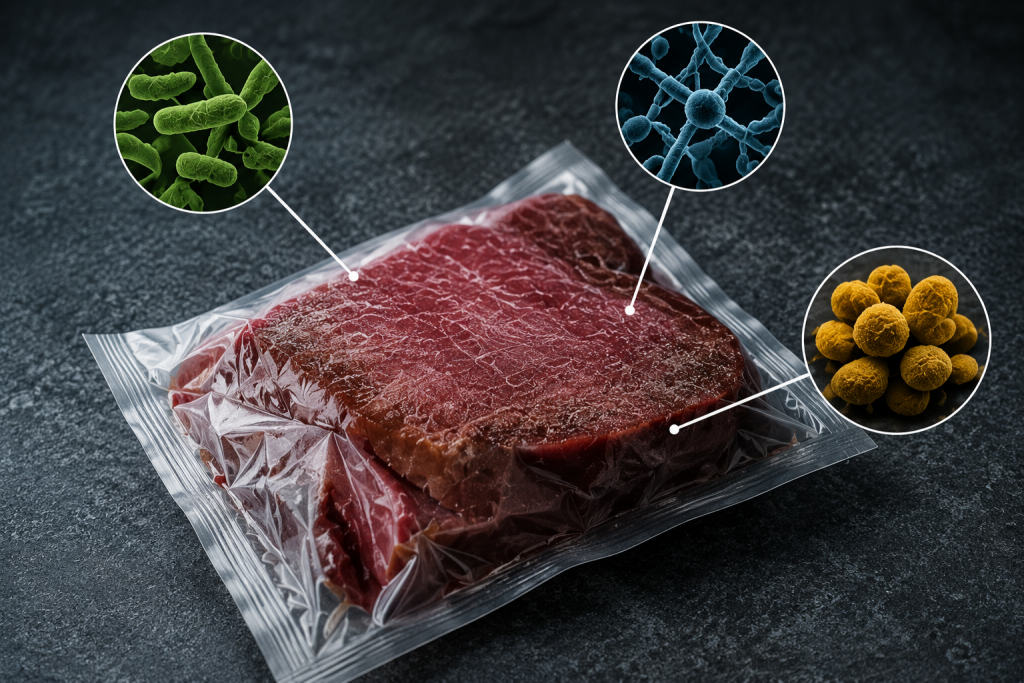
Microorganisms are among the most important food spoilage agents. Bacteria, yeasts and molds utilize nutrients present in food and produce metabolic byproducts that change its sensory qualities. Spoilage microorganisms break down proteins, fats and carbohydrates, producing compounds responsible for off-flavors, foul odors, and texture changes.
Different microorganisms affect different foods:
- Bacteria commonly spoil meat, seafood, dairy products and cooked foods.
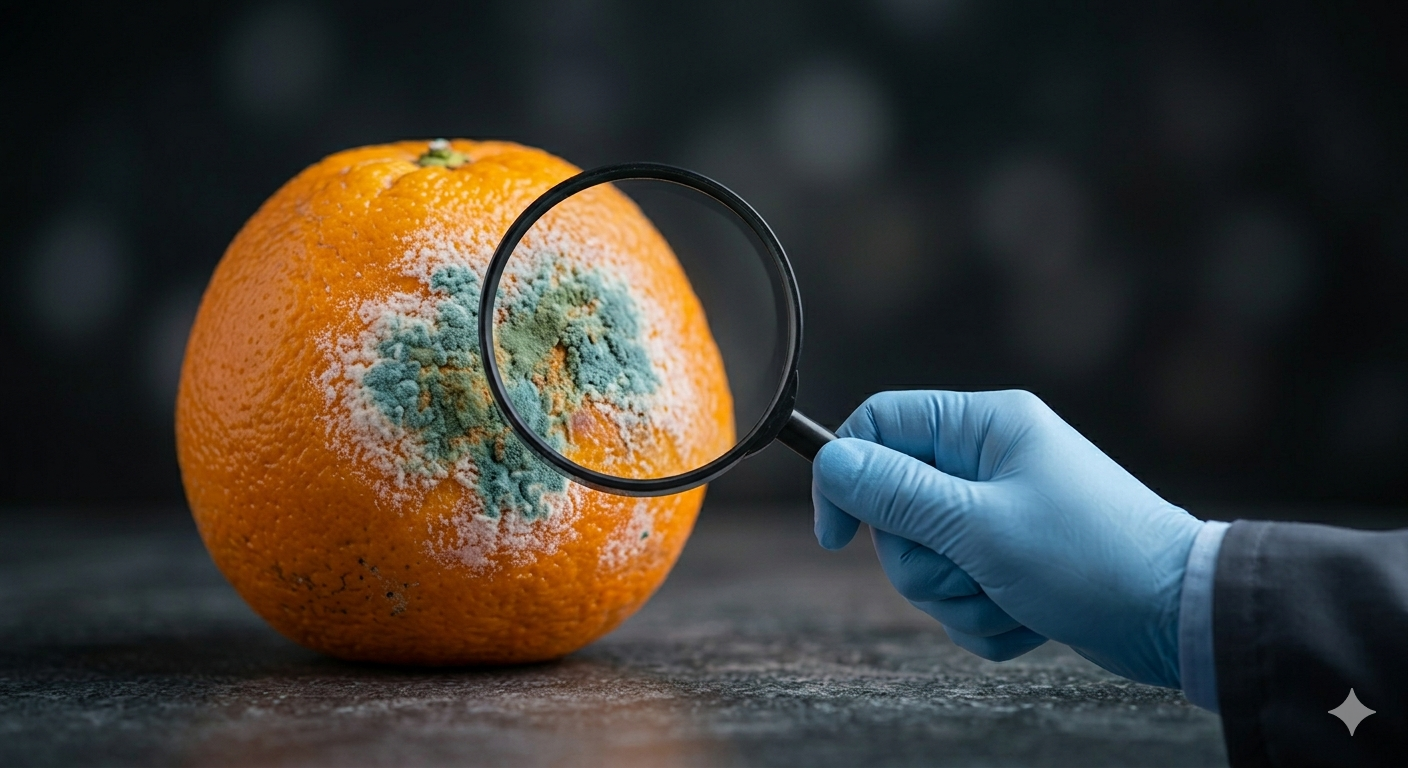
- Molds frequently affect fruits, vegetables, bread and grains.
- Yeasts are often associated with spoilage in sugary foods and beverages.
Enzymatic Activity and Food Deterioration
Even after harvest or processing, foods contain natural enzymes that continue to function. These enzymes contribute to ripening, softening and eventually deterioration.
For example, polyphenol oxidase enzymes cause the browning seen in cut apples and bananas. According to research published in Critical Reviews in Food Science and Nutrition, enzymatic reactions are among the major causes of food deterioration in fresh produce (source).
Oxidation and Oxygen Exposure
Oxygen is another significant factor in spoilage of food. Lipids react with oxygen through oxidative processes, causing rancidity, discoloration and nutrient degradation. This is why limiting oxygen exposure is a key food spoilage prevention strategy.
Causes of Food Spoilage
Several environmental and biological factors contribute to food spoilage and its prevention requires controlling these conditions.
Temperature Abuse
Improper storage temperatures accelerate microbial growth. Most spoilage bacteria multiply rapidly between 5°C and 60°C, often referred to as the “temperature danger zone.”
Moisture Availability
Water supports microbial metabolism and reproduction. Foods with high water activity, such as fruits, vegetables, dairy products and meats, are more susceptible to spoilage.
Oxygen Exposure
Exposure to air promotes oxidation and supports the growth of aerobic microorganisms that contribute to food deterioration.
Physical Damage
Bruising, cutting and mishandling can damage food tissues, creating entry points for spoilage microorganisms.
Contamination
Cross-contamination from equipment, surfaces, packaging or handlers introduces microbes that can accelerate spoilage and increase the risk of foodborne disease.
Food Preservation Methods
Food preservation methods work by slowing or preventing microbial growth, enzymatic reactions, and chemical deterioration.
Refrigeration
Low temperatures significantly reduce microbial activity. Research from the International Journal of Refrigeration shows that refrigeration remains one of the most effective methods for delaying microbial spoilage and extending shelf life. You may read our article on mastering the art of freezing tricky foods
Drying and Dehydration
Removing moisture inhibits microbial growth by reducing water activity, making dehydration one of the oldest and most effective food preservation techniques.
Pasteurization
Heat treatments destroy many spoilage microorganisms and pathogenic bacteria while preserving quality of food. Pasteurization has been widely used to improve the safety of milk, juices, and liquid foods.
Vacuum Packaging
By reducing oxygen levels, vacuum packaging slows oxidation and limits the growth of oxygen-dependent microorganisms.
Fermentation
Beneficial microbes produce organic acids that create conditions unfavorable for harmful bacteria. Fermentation is both a preservation technique and a way to enhance flavor and nutritional value.
Conclusion
The science behind food spoilage and prevention demonstrates that microorganisms, enzymes, oxygen, moisture, and environmental conditions all play critical roles in food deterioration. Understanding the causes of food spoilage and its prevention allows consumers and food manufacturers to adopt effective preservation strategies that improve food safety and extend shelf life. Through refrigeration, drying, pasteurization, fermentation, and proper hygiene practices, it is possible to control microbial contamination and spoilage of food, reducing waste while ensuring a safer food supply.