
Introduction
When people think about healthy hair growth, they often focus on nutrition, hair care products and scalp treatments. However, one of the most overlooked factors influencing hair health is sleep. Sleep is a critical biological process that supports cellular repair, hormone regulation, and tissue regeneration throughout the body, including the scalp and hair follicles.
Research suggests that sleep quality can influence several factors associated with healthy hair growth, including stress levels, inflammation and hormonal balance. While sleep alone cannot guarantee thicker hair or prevent all forms of hair loss, it plays an essential role in creating the optimal conditions for healthy hair follicles to function effectively.
Does Sleep Help Hair Growth?
A common question is: Does sleep help hair growth? The answer is indirectly yes. Hair follicles are among the most metabolically active structures in the human body and require continuous nourishment and repair.
During deep sleep, the body releases growth hormone, which supports tissue repair and cellular regeneration. This process helps maintain the natural hair growth cycle, which consists of the anagen (growth), catagen (transition) and telogen (resting) phases. Healthy sleep patterns may therefore support the environment needed for stronger and healthier hair growth.
Lack of Sleep May Affect Hair Health
Many people also ask, Does lack of sleep affect hair growth? While hair loss is often multifactorial, chronic sleep deprivation can negatively affect several biological pathways linked to hair health.
One major factor is cortisol, commonly known as the stress hormone. Studies have shown that insufficient sleep can elevate cortisol levels, increasing physiological stress and systemic inflammation. Elevated stress levels have been associated with disruptions in the hair growth cycle. Chronic stress can influence hair follicle stem cells and potentially contribute to increased hair shedding.
As a result, poor sleep quality may contribute to conditions that promote hair thinning, excessive shedding, and reduced hair vitality over time.
Melatonin, Sleep and Hair Follicle Function
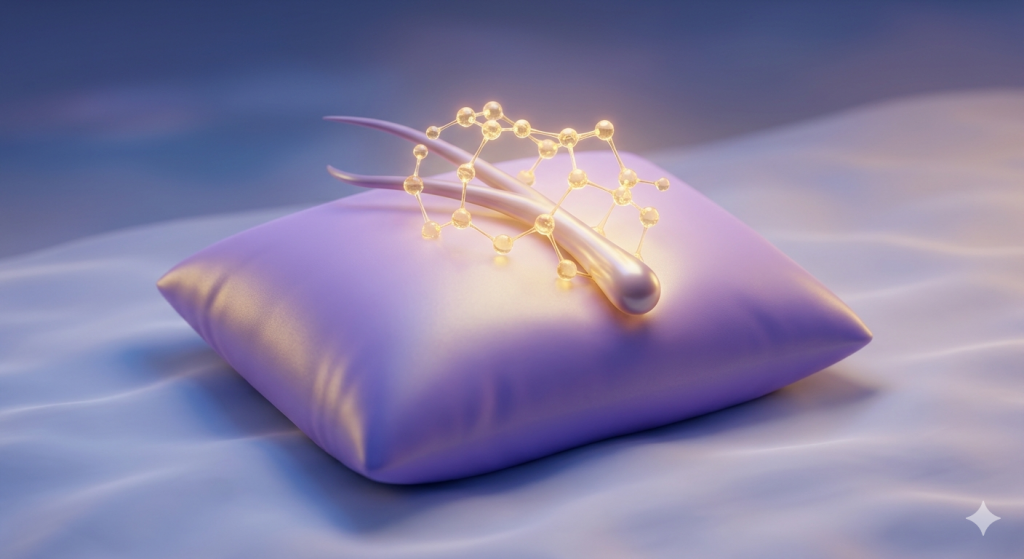
Another important connection between sleep and hair health involves melatonin. Best known for regulating the body’s sleep-wake cycle, melatonin may also influence hair follicle activity.
Research published in the International Journal of Trichology suggests that hair follicles possess melatonin receptors, indicating that this hormone may play a role in supporting hair growth and protecting follicles from oxidative stress (source).
Additionally, sleep is when the body performs much of its overnight repair work. During this period, cells recover from daily environmental stressors, including UV exposure, pollution, and oxidative damage. This regenerative process helps maintain a healthier scalp environment, which is essential for optimal hair growth.
How Many Hours of Sleep for Hair Growth?
According to recommendations from the American Academy of Sleep Medicine and the Sleep Research Society, most adults require 7–9 hours of sleep per night for optimal health and recovery.
Sleep quality matters just as much as sleep duration. Frequent awakenings, irregular sleep schedules and poor sleep hygiene can reduce time spent in restorative deep sleep stages. These stages are particularly important for tissue repair, hormone regulation and cellular recovery.
Improving sleep quality through consistent bedtimes, limiting evening screen exposure and creating a comfortable sleep environment may support both overall wellness and long-term hair health.
Sleeping Habits For Long Hair
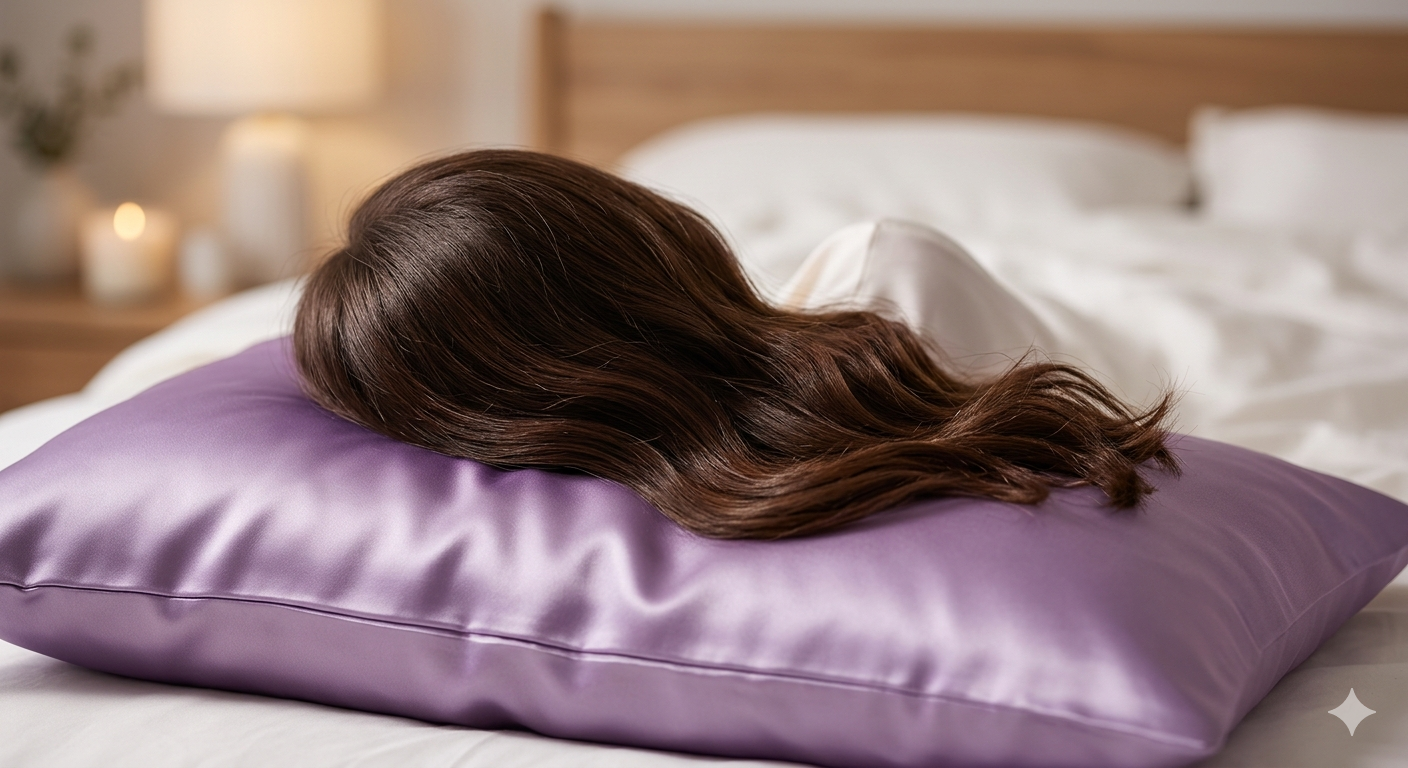
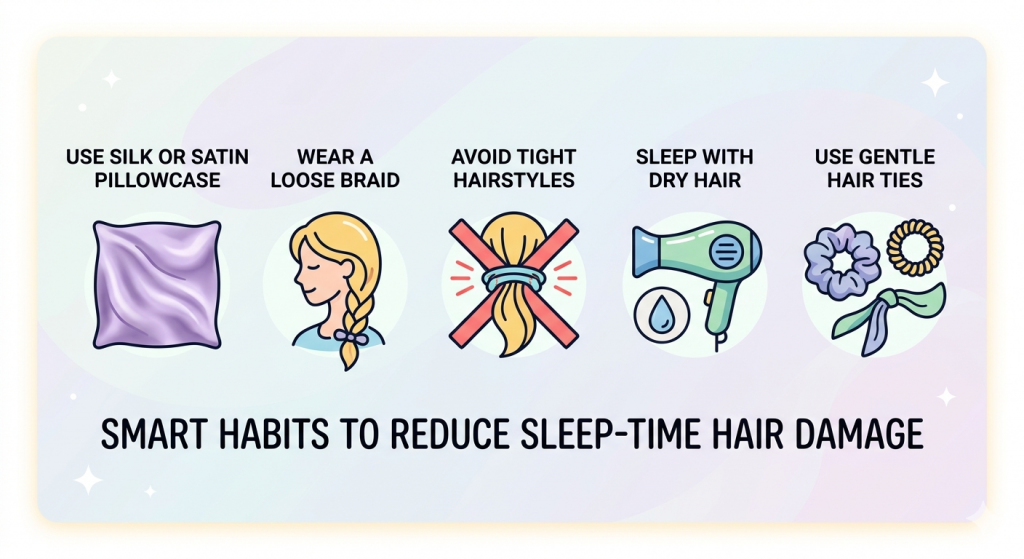
Beyond promoting recovery, proper sleeping habits can also help reduce physical hair damage. If you have long hair, learning how to sleep with long hair can help minimize friction, tangles and breakage. Hair rubbing against rough pillowcases throughout the night may contribute to mechanical damage.
Helpful habits include:
- Using silk or satin pillowcases
- Wearing a loose braid before bed
- Avoiding tight hairstyles during sleep
- Sleeping with dry rather than wet hair
- Using gentle hair ties that reduce tension
These practices may not directly accelerate hair growth, but they can help preserve hair strength and reduce unnecessary breakage.
The Big Three for Healthy Hair
While sleep is a powerful contributor to hair wellness, it works best when combined with other healthy lifestyle practices. When these three factors work together, they create the best conditions for stronger, healthier hair. The three key pillars of healthy hair include:
1. Quality Sleep
Supports hormone balance, cellular repair, and stress management.
2. Nutrient-Rich Diet
Provides essential nutrients such as protein, iron, zinc, biotin, vitamin D, and omega-3 fatty acids that support healthy hair production.
3. Scalp Care
Maintains a healthy environment for hair follicles by reducing buildup, inflammation, and irritation.
Conclusion
The connection between sleep and hair health is stronger than many people realize. Quality sleep supports growth hormone release, helps regulate cortisol levels, promotes cellular repair, and may even influence hair follicle activity through melatonin signaling. Although sleep is not a standalone cure for hair loss, consistently getting 7–9 hours of restorative sleep can support the biological processes that contribute to healthier, stronger hair. When it comes to maintaining healthy hair, the formula is simple: Rest, Repair and Regrow.