
Introduction
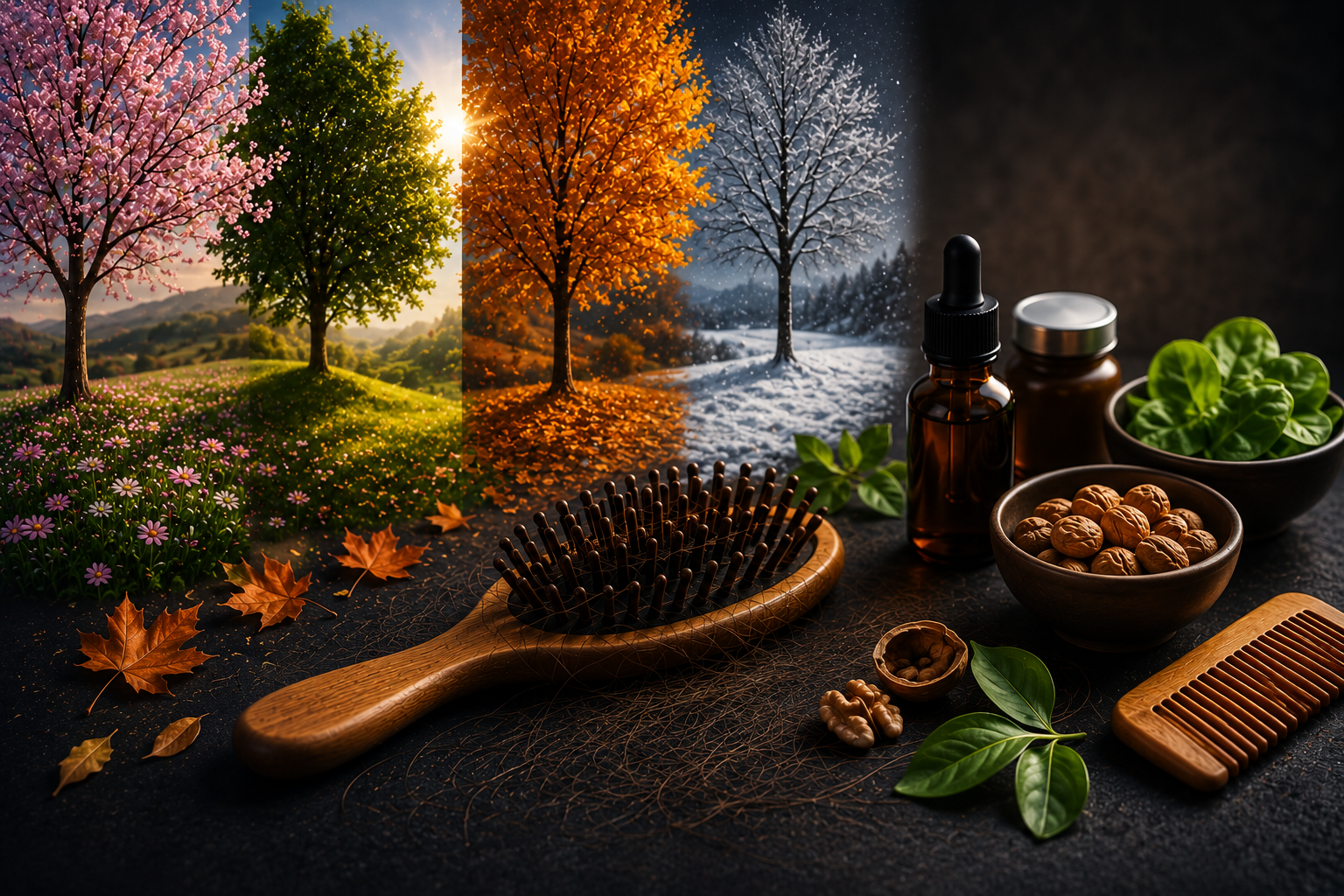
Seasonal hair shedding cycles are a real and common phenomenon experienced by both men and women. Many people notice increased hair fall during seasonal transitions. In most cases, seasonal hair shedding is temporary and reversible, linked to the natural hair growth cycle and environmental changes rather than permanent hair loss.
Human hair growth patterns may fluctuate seasonally, with increased shedding commonly observed during late summer and autumn. This explains why many individuals experience noticeable hair fall during specific months of the year.
Understanding the Human Hair Growth Cycle
To understand seasonal hair shedding, it is important to know how the hair growth cycle works. Human hair continuously passes through different phases that regulate growth and shedding.
The Three Main Hair Growth Phases
- Anagen Phase: Around 85–90% of scalp hairs remain actively growing during this stage.
- Catagen Phase: Hair follicles shrink and detach from the blood supply.
- Telogen Phase: Older hairs naturally fall out so new hair can grow.
Telogen shedding increases when more follicles enter the resting phase simultaneously. This temporary condition is often associated with seasonal hair loss and environmental stress. To understand the hair growth phases, read our this article.
Is Seasonal Hair Shedding a Real Thing?
Yes, seasonal hair shedding is considered normal in many individuals. Researchers have observed that humans may experience increased shedding during autumn.
Why Does Seasonal Hair Loss Happen?
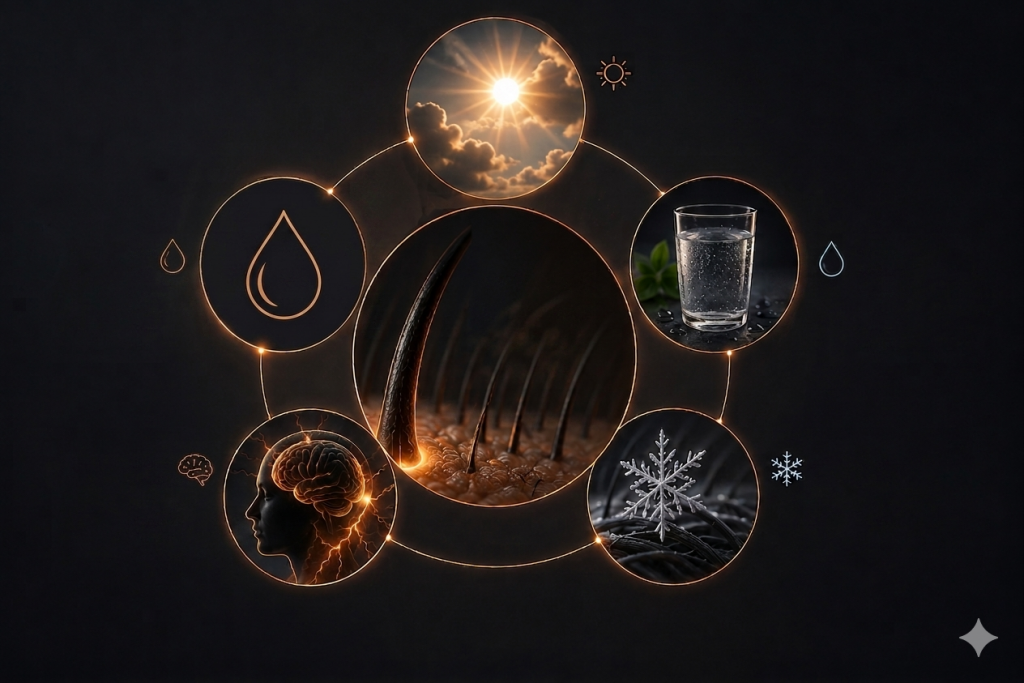
Several environmental and biological factors may contribute to seasonal hair loss:
- Increased UV exposure during summer
- Humidity and sweat buildup on the scalp
- Dehydration affecting hair health
- Seasonal stress and lifestyle changes
- Dry winter air causing scalp irritation
A study in Dermatology Practical & Conceptual reported that seasonal changes can influence the percentage of hair follicles in the telogen phase, especially during warmer months.
Seasonal Hair Shedding
Summer Hair Fall
Many people experience hair shedding in summer due to heat, sweating, UV exposure, and dehydration. Excessive sunlight may place oxidative stress on the scalp and hair follicles, potentially increasing shedding temporarily.
Winter Hair Fall
Winter can also affect hair health. Dry indoor heating and cold weather reduce moisture levels, leading to brittle hair and scalp dryness. Research suggests that low humidity may weaken the hair shaft and increase breakage during colder months.
How Long Does Seasonal Hair Shedding Last?
In most cases, seasonal hair fall lasts between 6–8 weeks before the hair growth cycle stabilizes again. According to dermatological studies on telogen effluvium, temporary shedding usually resolves naturally once environmental or physiological triggers improve.
However, prolonged shedding lasting more than three months may require medical evaluation to rule out:
- Iron deficiency
- Vitamin D deficiency
- Hormonal imbalance
- Thyroid disorders
- Chronic stress
Difference Between Seasonal Hair Loss
People frequently search, “How to tell the difference between seasonal hair shedding and hair loss?” because temporary shedding and progressive hair thinning can appear similar.
Signs of Seasonal Hair Loss
- Temporary increase in daily hair fall
- Even shedding across the scalp
- No visible bald patches
- Hair density gradually returns
Signs of Hair Loss
- Receding hairline
- Persistent thinning hair
- Visible scalp areas
- Shedding lasting several months
If thinning becomes severe, consulting a dermatologist is recommended.
How to Reduce Seasonal Hair Shedding Naturally
Although seasonal hair loss is usually temporary, healthy scalp care may help reduce excessive shedding.
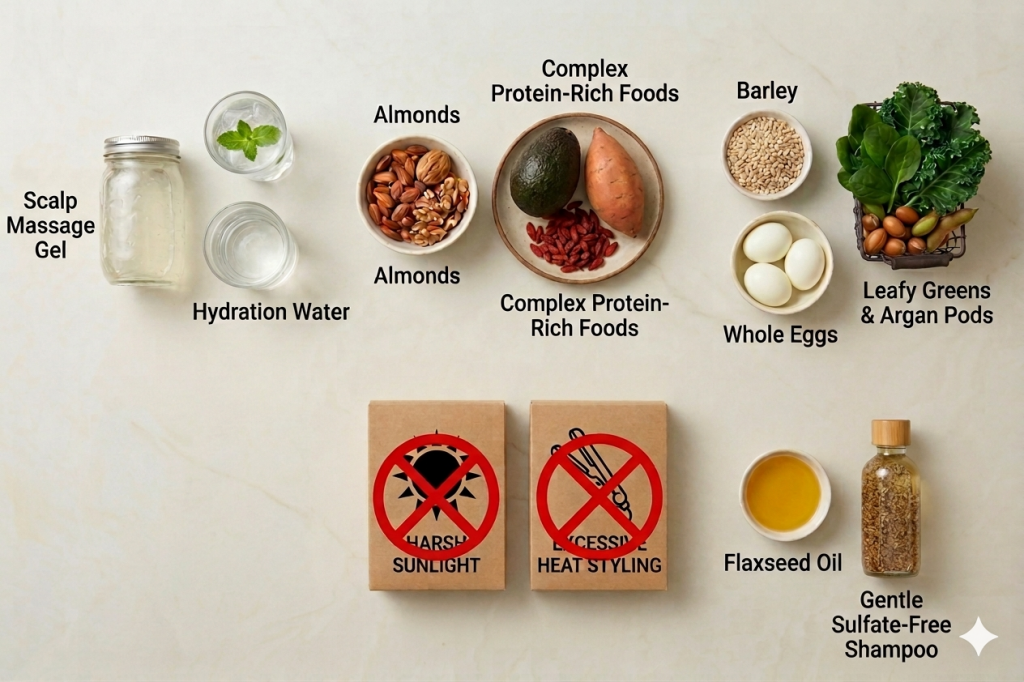
Seasonal Hair Fall Care Tips
- Stay hydrated during hot weather
- Eat protein-rich foods
- Avoid excessive heat styling
- Use gentle sulfate-free shampoos
- Protect hair from harsh sunlight
- Massage the scalp regularly
Important Nutrients for Healthy Hair
Nutrients associated with healthy hair growth include:
- Vitamin D
- Iron
- Zinc
- Biotin
- Omega-3 fatty acids
A review published in Dermatology and Therapy reported that nutritional deficiencies may contribute to diffuse hair shedding and weakened hair follicles. (source)
Conclusion
Seasonal hair shedding cycles are a natural part of the human hair growth process and are usually temporary. Whether you experience hair shedding in summer, autumn, or winter, understanding the causes can help reduce anxiety and improve scalp care habits. In most cases, seasonal hair loss is reversible and improves once the hair cycle stabilizes.
Maintaining a nutrient-rich diet, proper hydration, and a healthy scalp care routine may support stronger hair growth throughout the year. However, if shedding becomes excessive or persistent, medical evaluation may help identify underlying causes.