

Introduction
Cortisol is a hormone produced by the adrenal glands that plays a critical role in the body’s stress response, metabolism, and blood pressure regulation. Often referred to as the “stress hormone,” cortisol helps the body adapt to challenges.
However, chronic elevation due to poor diet and lifestyle can disrupt overall health. Understanding how foods impact cortisol balance is essential for preventing long-term health complications.
Normal Function of Cortisol in the Human Body
The normal function of cortisol is vital for maintaining homeostasis. It follows a circadian rhythm, peaking in the morning and declining at night. Understand about the ‘Circadian Rhythm’ by reading our this article.
Key Functions of Cortisol
- Regulates blood sugar levels through gluconeogenesis
- Maintains blood pressure and cardiovascular function
- Supports immune response and reduces inflammation
- Helps the body respond to physical and emotional stress
These functions highlight why cortisol is essential—but only when balanced.
Effects of High Cortisol on the Body
When cortisol levels remain high due to chronic stress or poor lifestyle habits, it can lead to several health issues. Common effects of high cortisol include weight gain (especially abdominal fat), fatigue, anxiety and sleep disturbances.
Excess cortisol can also weaken the immune system, increase inflammation and disrupt hormonal balance. Over time, this imbalance may contribute to metabolic disorders and increase the risk of chronic diseases. Recognizing these effects is important for early management (source).
Cortisol and Blood Pressure: The Link to Hypertension
One of the most significant impacts of high cortisol is its effect on blood pressure. Cortisol increases blood pressure by narrowing blood vessels and enhancing the effects of adrenaline. This explains why chronic stress can lead to hypertension.
Persistent high cortisol levels can cause long-term elevation in blood pressure, increasing the risk of heart disease. Managing cortisol through diet and lifestyle changes is therefore crucial in preventing stress-related hypertension.and why chronic stress is linked to hypertension.
How Foods Impact Cortisol Balance
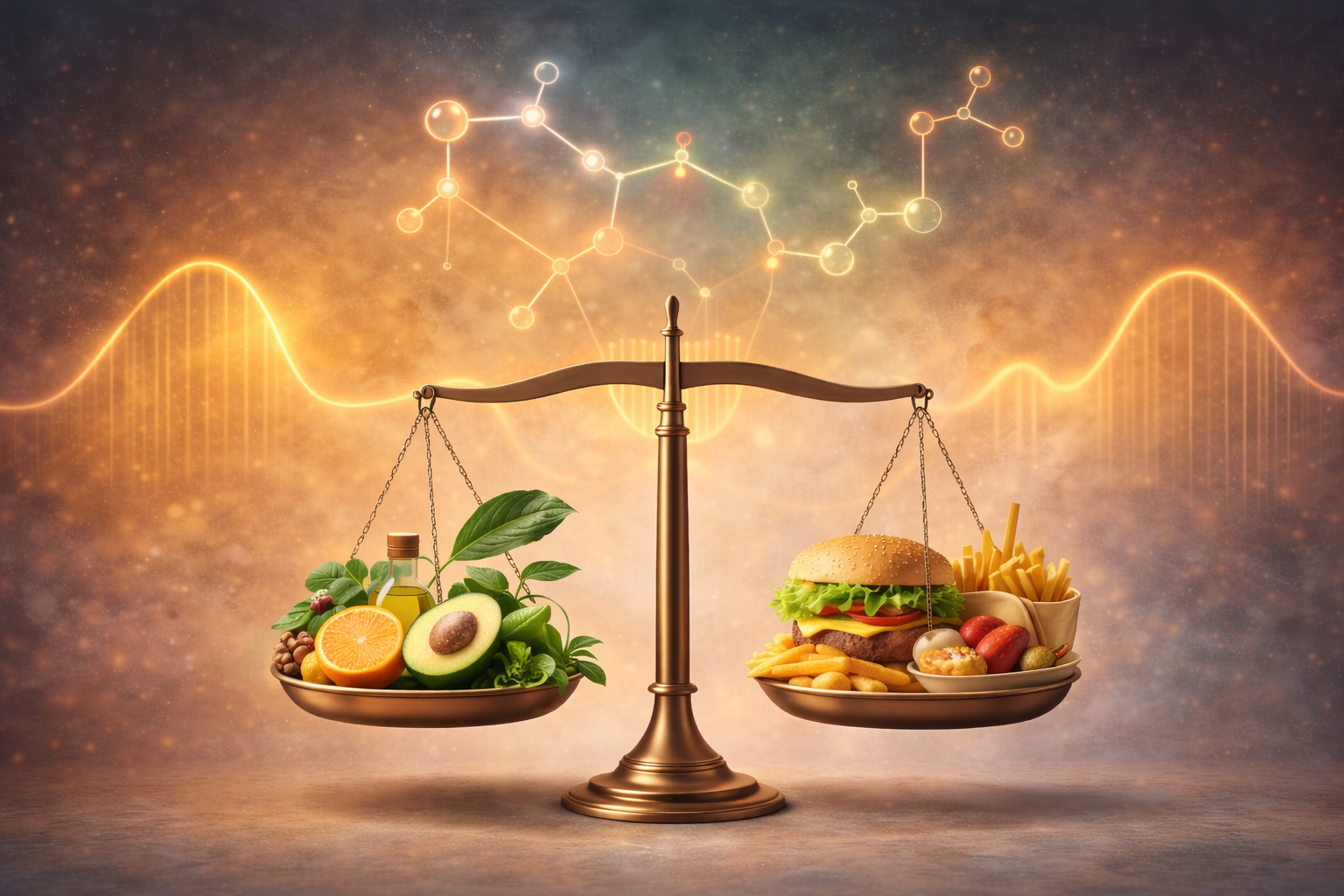
Diet plays a major role in regulating cortisol levels. Certain foods can either increase or decrease cortisol production depending on their nutritional composition.
Foods That Help Lower Cortisol
Nutrient-dense foods rich in vitamins and minerals help regulate cortisol. Foods high in vitamin C, magnesium, and antioxidants—such as citrus fruits, leafy greens, nuts, and seeds—can help lower cortisol levels. Whole grains also stabilize blood sugar, preventing cortisol spikes.
Dark chocolate (in moderation) and bananas are known to support mood and reduce stress-related hormone fluctuations. Hydration is equally important, as dehydration can increase cortisol production.
Foods That Trigger Cortisol
On the other hand, processed foods, refined sugars and excessive caffeine can elevate cortisol levels. High sugar intake causes blood sugar spikes, leading to increased cortisol release. Similarly, caffeine stimulates the adrenal glands, which may raise cortisol, especially when consumed in excess.
Natural Ways to Balance Cortisol Through Diet
Maintaining cortisol balance requires consistent dietary habits.
Practical Dietary Strategies:
- Eat balanced meals with protein, fats, and complex carbs
- Avoid skipping meals to prevent cortisol spikes
- Start your day with a high-protein breakfast
- Stay hydrated to prevent stress-induced hormone release
- Include anti-inflammatory foods regularly
Morning Routine Tip
Eating a balanced breakfast helps regulate peak morning cortisol levels and prevents crashes later in the day. These habits directly address keywords like “how to lower cortisol levels fast” and “how do I naturally balance cortisol levels.”

Signs of High Cortisol Levels
Recognizing symptoms early can help prevent complications.
Warning Signs of High Cortisol
- Persistent fatigue
- High blood pressure
- Belly fat accumulation
- Cravings for sugar and salty foods
- Poor sleep quality
- Anxiety or mood swings
If these symptoms persist, testing cortisol levels through blood, saliva, or urine tests is recommended. Early lifestyle changes, particularly dietary improvements, can significantly reduce cortisol imbalance and improve overall health.
Conclusion
Cortisol is essential for survival, but its imbalance can harm the body. Diet plays a powerful role in regulating this hormone. By choosing whole, nutrient-rich foods and avoiding processed and sugary options, individuals can naturally balance cortisol levels.
Adopting healthy eating habits, along with stress management techniques, can reduce the harmful effects of high cortisol and support long-term health. Ultimately, food is not just fuel—it is a powerful tool for maintaining hormonal harmony and overall well-being. By making mindful dietary choices, you can reduce stress, prevent hypertension, and maintain optimal hormonal balance.



Your blog really add value to our lifestyle.
We really love when people share their experience with us, appreciated.