

Introduction
Adaptogens have gained widespread attention for their potential to help the body cope with stress, support hormonal balance and improve overall wellness. However, a key question remains: Should adaptogens be consumed through natural foods or dietary supplements? Understanding the differences between them in food vs in supplements can help individuals make informed health decisions.
What Are Adaptogens and What Do They Do?
Adaptogens are natural substances, primarily herbs and medicinal mushrooms, that enhance the body’s ability to adapt to stress and maintain physiological balance. They influence the hypothalamic-pituitary-adrenal (HPA) axis and help regulate cortisol levels, which play a central role in stress response.
Research suggests adaptogens may:
- Improve stress resilience
- Support cognitive performance
- Enhance immune function
- Promote hormonal stability
- Increase physical endurance
Because of these benefits, adaptogens are now widely consumed through both whole foods and concentrated supplement forms.
Adaptogenic Foods: Natural Sources
Adaptogenic foods include whole or minimally processed ingredients naturally rich in bioactive compounds. Traditional dietary systems have long incorporated these foods for vitality and resilience.
Examples of Adaptogenic Foods
Common natural adaptogen foods include:
- Medicinal mushrooms such as lion’s mane and reishi
- Turmeric root
- Maca root
- Holy basil herbal infusions
- Nutrient-dense berries and leafy greens
These foods provide adaptogenic compounds along with essential micronutrients and antioxidants.
Benefits of Getting Adaptogens Through Food
Consuming adaptogens in whole food form offers several advantages.
First, nutrient synergy enhances effectiveness. Whole foods contain fiber, polyphenols and vitamins that improve metabolic processing and bioavailability (source).
Second, lower concentrations reduce the risk of side effects, making food-based adaptogens suitable for long-term preventive health strategies. So, adaptogenic foods may support gut microbiota, which is increasingly linked to stress regulation and immune function.
However, natural food sources often contain lower doses of active compounds, meaning their effects may develop gradually.
Adaptogen Supplements
Adaptogen supplements include capsules, powders, tinctures, and standardized extracts designed to deliver higher amounts of bioactive constituents.
Common Adaptogen Supplements
Popular adaptogen supplements include:
- Ashwagandha root extract
- Rhodiola rosea capsules
- Lion’s mane mushroom powder
- Multi-adaptogen blends targeting stress or focus
Advantages of Adaptogen Supplements
One key benefit is standardized potency, allowing measurable therapeutic outcomes. For example, clinical trials show that ashwagandha supplementation can significantly reduce perceived stress and cortisol levels compared to placebo (source).
Supplements are also convenient for modern lifestyles and can provide targeted support for issues like anxiety, fatigue or sleep disturbances. However, excessive supplementation may lead to digestive discomfort or potential interactions with medications, highlighting the importance of proper dosing and professional guidance.
Adaptogens in Food vs Supplements: Key Differences
Bioavailability and Absorption
Whole foods provide complex matrices that support gradual nutrient absorption and metabolic stability. In contrast, supplements deliver concentrated compounds that may produce faster physiological effects but lack supporting nutrients.
Safety and Dosage Considerations
Food-based adaptogens are generally considered safe for daily intake. Supplements, particularly high-dose extracts, require careful monitoring to avoid adverse reactions or hormonal imbalances.
Effectiveness and Speed of Results
Supplements often produce quicker noticeable benefits due to higher potency. Adaptogenic foods contribute to sustainable wellness by supporting broader nutritional status and long-term resilience.
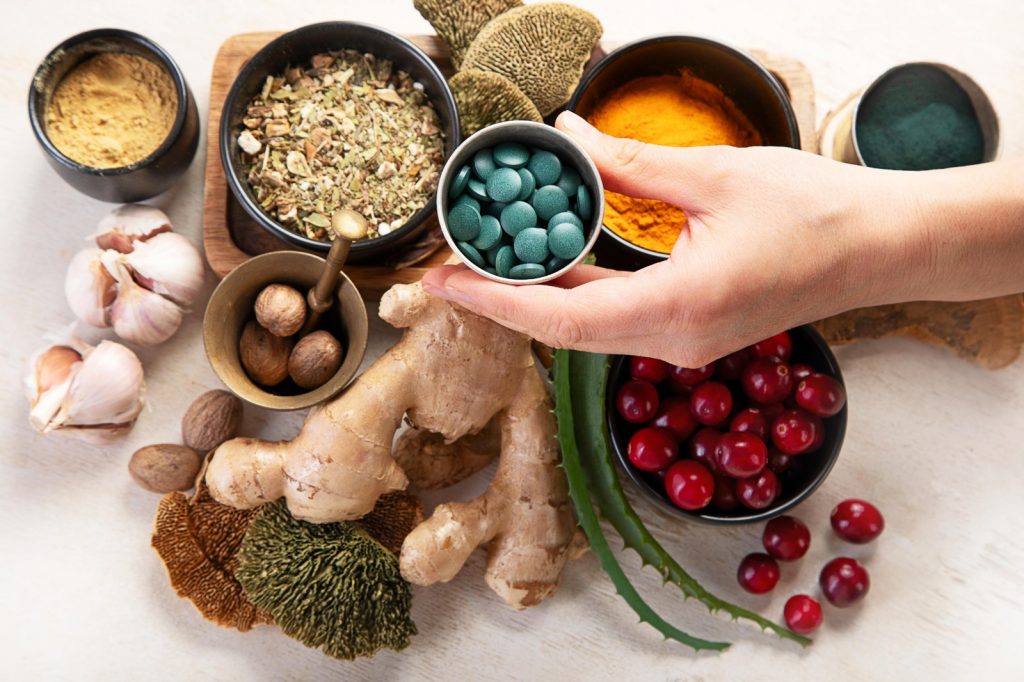
Choosing Food or Supplements?
Choosing between adaptogen foods and supplements depends on individual health needs and lifestyle demands.
- Individuals focused on preventive nutrition and holistic wellness may benefit more from dietary adaptogens.
- Those experiencing chronic stress, intense workloads, or cognitive fatigue may require targeted supplementation.
- Pregnant women, people who are managing chronic illness or taking medications should consult healthcare professionals before using adaptogen supplements.
Best Ways to Include Adaptogens in Your Routine
Experts often recommend a balanced approach that integrates both food sources and supplements.
Practical Strategies
- Add turmeric or maca powder to smoothies and meals
- Drink herbal teas containing holy basil
- Use standardized supplements for short-term therapeutic goals
- Take stimulating adaptogens in the morning and calming ones in the evening
- Consume supplements with meals to improve tolerance
Conclusion
Adaptogens offer promising benefits for stress management, hormonal balance, and overall vitality. While adaptogenic foods provide long-term nutritional safety and synergy, supplements offer convenience and stronger targeted effects.
A combined strategy — prioritizing adaptogen-rich foods while using supplements thoughtfully when needed — may provide the most effective and sustainable pathway to resilience and well-being.