
Introduction
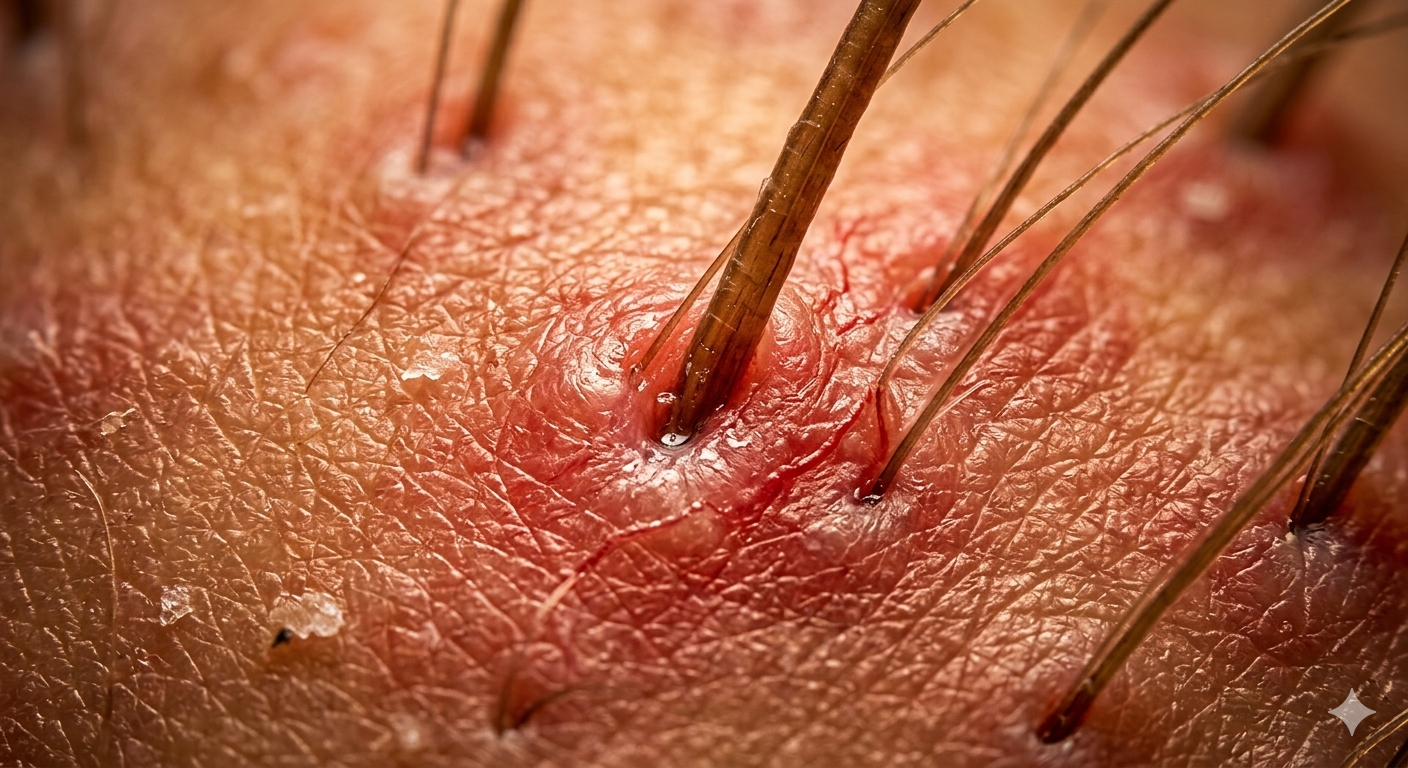
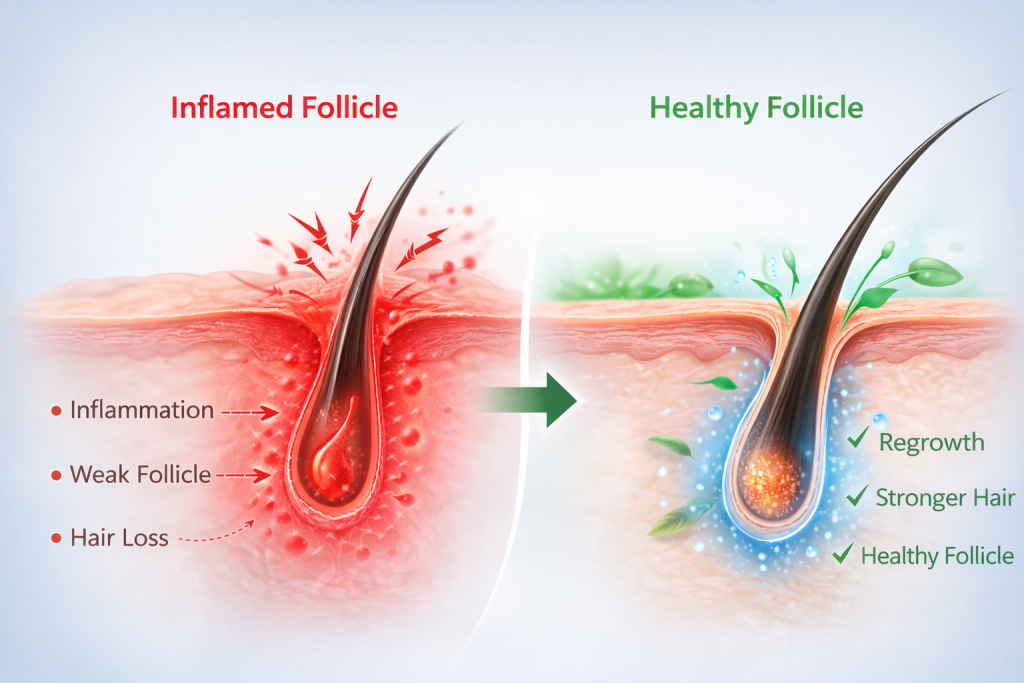
Hair loss is commonly associated with genetics or hormonal changes, but inflammation and hair loss are increasingly recognized as closely connected. Chronic inflammation can affect the scalp, damage hair follicles and disrupt the normal hair growth cycle. This condition is often referred to as inflammatory hair loss, which may result from immune system activity, scalp irritation, oxidative stress, or nutrient deficiencies.
Hair follicles are highly sensitive structures. When the body experiences scalp inflammation, immune signals may interfere with follicle function and slow hair growth. According to research, inflammatory cytokines and oxidative stress can negatively affect follicle health and may contribute to hair thinning and shedding. Understanding the underlying mechanisms helps identify natural anti-inflammatory solutions for hair loss and improve overall scalp health.
How Inflammation Affects Hair Follicles
The Hair Growth Cycle
Hair normally grows in three stages: anagen (growth phase), catagen (transition phase), and telogen (resting phase). When inflammation occurs around hair follicles, immune signals can prematurely push follicles into the telogen stage, resulting in increased hair shedding.
This process is commonly observed in conditions such as alopecia areata, an autoimmune disorder in which the immune system mistakenly targets hair follicles. Researchers have identified inflammatory mediators such as tumor necrosis factor-alpha (TNF-α) and interleukins that may interfere with follicle activity. Persistent inflammation can therefore weaken hair roots and contribute to chronic hair thinning or inflammatory hair loss conditions.
Signs of Inflammatory Hair Loss
People experiencing inflammatory hair loss may notice symptoms such as scalp redness, itching, tenderness, or burning sensations. In some cases, there may also be flaking or patchy hair thinning. These symptoms reflect the classic signs of inflammation—redness, swelling, heat, pain, and loss of normal function. When these symptoms occur alongside excessive hair shedding, inflammation may be a contributing factor.
Medical and Nutritional Causes
Nutrient Deficiencies
Nutritional deficiencies are one of the most common underlying contributors to hair shedding. Iron deficiency, vitamin D deficiency, zinc deficiency, and low B-vitamin levels may impair hair follicle metabolism and worsen inflammation.
For example, studies suggest that low vitamin D levels may disrupt the hair cycle and influence immune regulation in the scalp. Similarly, iron deficiency has been linked to telogen effluvium, a condition characterized by diffuse hair shedding due to stress or metabolic imbalance.
Blood Tests Used to Identify Hair Loss Causes
Doctors often recommend several blood tests for hair loss to identify underlying issues. These tests may include:
- Iron and ferritin levels
- Vitamin D levels
- Thyroid hormone tests
- Autoimmune markers
Identifying these factors can help determine whether systemic inflammation or nutritional deficiencies are contributing to scalp problems and hair thinning.
Natural Anti-Inflammatory Ingredients for Scalp Health
Botanical Extracts
Several natural ingredients are known for their ability to soothe the scalp and support hair follicles. Many anti-inflammatory hair products include plant-based extracts that help reduce irritation and improve scalp circulation.
For example, onion extract contains sulfur compounds and antioxidants that may support scalp health and improve hair strength. A clinical study published in the Journal of Dermatology found that onion juice applied to the scalp improved hair regrowth in individuals with alopecia areata (source).
Other commonly used ingredients in anti-inflammatory hair oils and serums include:
- Garlic extract, which has antimicrobial and antioxidant properties
- Aloe vera, known for soothing scalp irritation
- Turmeric, which contains curcumin with anti-inflammatory effects
- Rosemary oil, associated with improved scalp circulation
These botanical ingredients are often used in anti hair loss oils, scalp masks, and herbal treatments aimed at improving scalp comfort and supporting hair growth.
Herbal Oils
Natural oils are widely used in hair care routines because they help maintain scalp moisture and protect hair follicles. Anti hair loss hair oil formulations, particularly those containing onion or herbal extracts, may support scalp health by improving circulation and reducing dryness.
Scalp massage with botanical oils may also stimulate blood flow to the follicles. Improved circulation can help deliver oxygen and nutrients necessary for hair growth. Research suggests that mechanical stimulation of the scalp through massage may increase hair thickness over time by influencing dermal papilla cells (source).
Regular use of anti-inflammatory hair oils, serums, or gentle shampoos may therefore help create a healthier environment for hair follicles.
Lifestyle Strategies
Diet and Anti-Inflammatory Nutrition
Diet plays a significant role in regulating inflammation in the body. Foods rich in antioxidants and omega-3 fatty acids may help reduce inflammatory processes that affect hair follicles.
Examples of beneficial foods include:
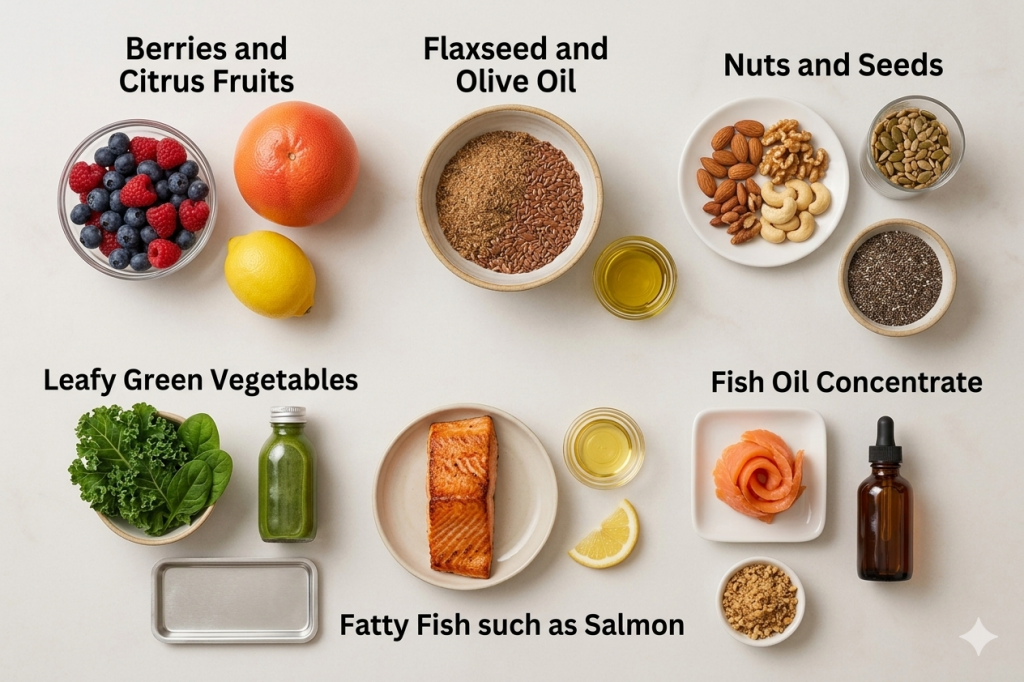
These foods provide nutrients that support scalp wellness, hair follicle repair, and antioxidant protection.
Stress and Scalp Health
Chronic stress is another factor linked to hair shedding and inflammation. Stress hormones may influence immune activity and disrupt the hair cycle. Maintaining healthy sleep patterns, practicing relaxation techniques, and managing stress levels may help support overall hair and scalp wellness.
Conclusion
Inflammation is an important but often overlooked factor in hair thinning and scalp discomfort. Inflammatory hair loss can occur when immune responses, nutrient deficiencies, or scalp irritation disrupt the normal hair growth cycle. Identifying these underlying causes and incorporating natural anti-inflammatory solutions may help support healthier hair follicles.
By combining balanced nutrition, gentle scalp care, and botanical ingredients such as onion extract, aloe vera, and rosemary oil, individuals may reduce scalp inflammation and promote better hair growth conditions. Although results vary depending on the cause, addressing inflammation is an important step toward improving long-term scalp health and hair strength.