
How Food Additives Influence Your Microbiome
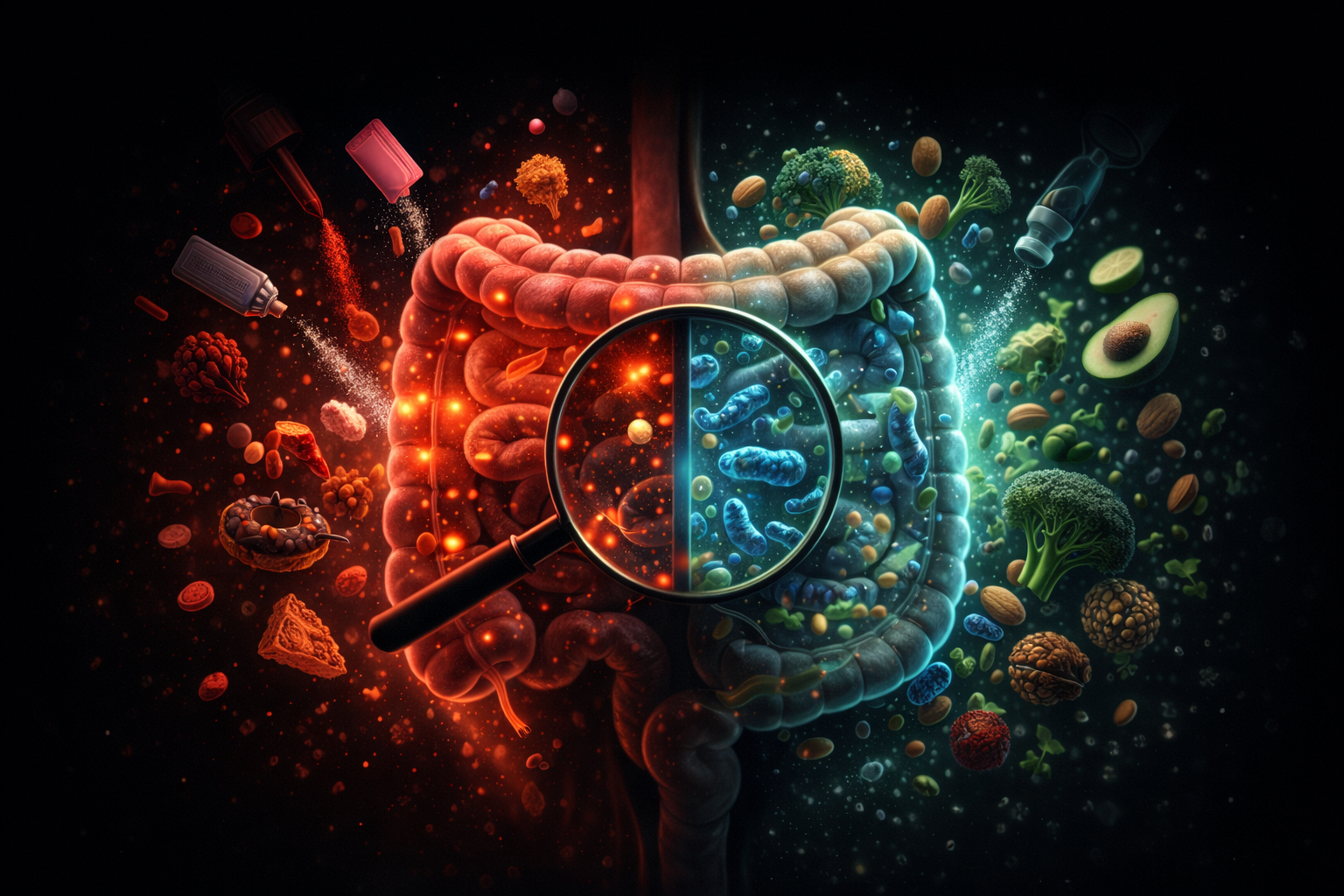
The human gut microbiome is a complex ecosystem of trillions of microorganisms that play a vital role in digestion, immunity, metabolism, and even brain function. However, modern dietary habits—dominated by ultra-processed foods—are increasingly disrupting this delicate balance. One major contributor to this disruption is the widespread use of food additives.
Understanding the Gut Microbiome
The gut microbiome consists of beneficial and harmful bacteria that coexist in balance. When supported by proper nutrition, beneficial microbes aid nutrient absorption, regulate inflammation, and protect against disease. Research shows that the effect of microbiome on human health extends to mental well-being, immune resilience, and chronic disease prevention. (source)
What Are Food Additives?
Food additives are substances added to foods to enhance flavor, appearance, shelf life, or texture. Common examples include emulsifiers, preservatives, artificial sweeteners, and colorants. These additives are prevalent in foods with food additives, such as packaged snacks, soft drinks, instant meals, and processed bakery items. Also, study our previous article on artificial sweeteners.
While approved for consumption, growing evidence suggests that many additives negatively affect gut health.
How Food Additives Affect Gut Microbiota
Studies indicate that food additives and gut microbiota interactions can alter microbial diversity. Certain additives reduce beneficial bacteria while promoting harmful strains. This imbalance—known as dysbiosis—can impair digestion, weaken immunity, and increase inflammation. (source)
The effect of nutrition on the human microbiome is profound, and additives represent a non-nutritive stressor that microbes struggle to process.
Additives Linked to Microbiome Damage
- Emulsifiers disrupt the protective mucus layer of the gut, allowing harmful bacteria to trigger inflammation.
- Artificial sweeteners alter gut bacteria composition and are linked to glucose intolerance.
- Preservatives can suppress beneficial microbial growth.
- Colorants may increase gut permeability and immune reactions.
These additives directly affect food additives and gut bacteria, increasing the risk of long-term gut dysfunction.
Foods Bad for the Gut Microbiome
Ultra-processed foods are among the worst offenders. These include:
- Sugary beverages
- Packaged snacks
- Refined carbohydrates
- Fast food
Such foods bad for gut microbiome are typically low in fiber and high in additives, depriving beneficial microbes of nourishment.
Foods That Help Restore and Boost the Microbiome
In contrast, whole and minimally processed foods support microbial diversity. The best foods to boost microbiome include:
- Fruits and vegetables
- Nuts and seeds
- Whole grains
- Fermented foods like yogurt and sauerkraut
These foods feed beneficial bacteria and promote gut resilience.
Nutrition, Microbiome, and Long-Term Health
The connection between diet and disease is mediated largely through the microbiome. Poor gut health is linked to metabolic disorders, autoimmune diseases, and cognitive decline. Improving dietary quality can reverse dysbiosis and restore microbial balance.
Insights from Dr. Barbara O’Neill
Dr. Barbara O’Neill consistently emphasizes that additive-free, whole foods are foundational for gut health. In her educational lectures, she highlights how artificial ingredients interfere with digestion and microbial harmony, advocating for natural diets rich in fiber and fermented foods to restore gut balance. (source)
Final Takeaway
Understanding how food additives influence your microbiome empowers you to make informed dietary choices. Reducing ultra-processed foods and prioritizing whole, natural foods can significantly improve gut health, immunity, and overall well-being.
4. Sources
- Dr. Barbara O’Neill – Gut Health & Nutrition Lectures
- National Institutes of Health (NIH): Gut Microbiome Research
- Frontiers in Nutrition – Food Additives and Microbiota
- BMJ & Nature Reviews Gastroenterology
- World Health Organization – Diet and Gut Health