

When it comes to relieving pain, reducing inflammation, or speeding up recovery, two age-old remedies dominate: cold therapy and heat therapy. Whether you’re dealing with a muscle strain, joint stiffness, or post-workout soreness, knowing when to apply cold and when to apply heat can make a major difference in how quickly your body heals. Recent research offers clearer insights into how each therapy works and when it’s most effective. Here’s a science-backed, simple breakdown.
What Is Cold Therapy?
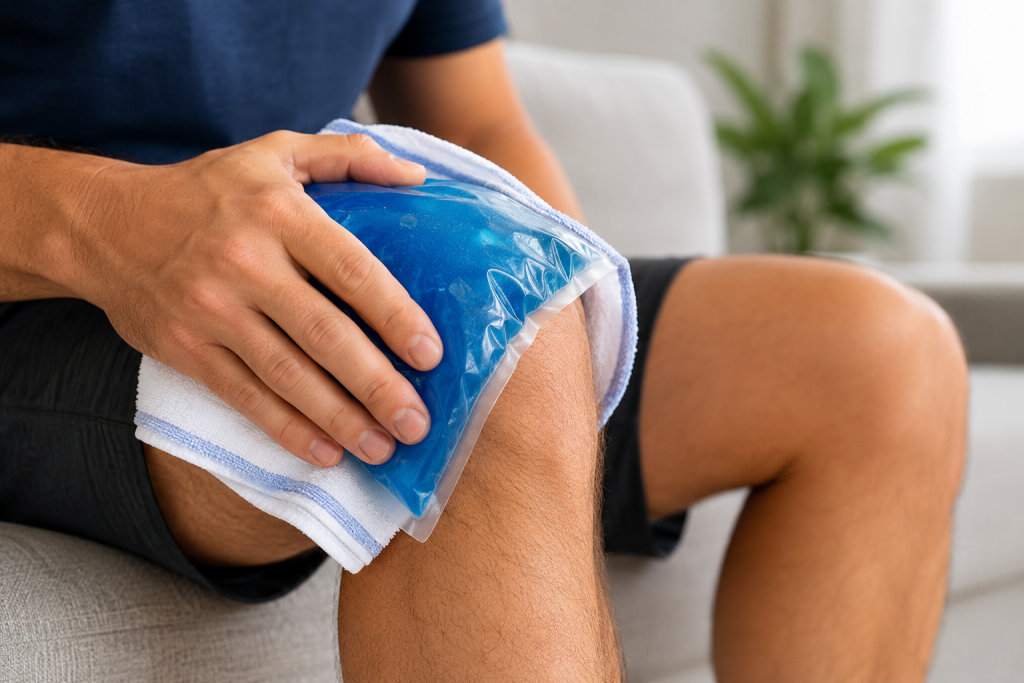
Cold therapy (cryotherapy) involves applying ice packs, cold compresses, or cooling gel pads to an affected area. The goal is to reduce inflammation, swelling, and pain.
How Cold Therapy Works
Cold restricts blood flow, a process known as vasoconstriction. This decreases:
- Tissue inflammation
- Swelling
- Pain signals sent to the brain
- Risk of further tissue damage
Research Findings on Cold Therapy
Recent research highlights that cold therapy:
- Is effective for acute injuries—those occurring in the last 24–48 hours.
- Significantly reduces post-exercise inflammation and delayed-onset muscle soreness (DOMS).
- Helps limit secondary tissue damage after trauma.
Best For:
✔ Sprains
✔ Strains
✔ Bruises
✔ Post-workout soreness
✔ Acute injuries
What Is Heat Therapy?
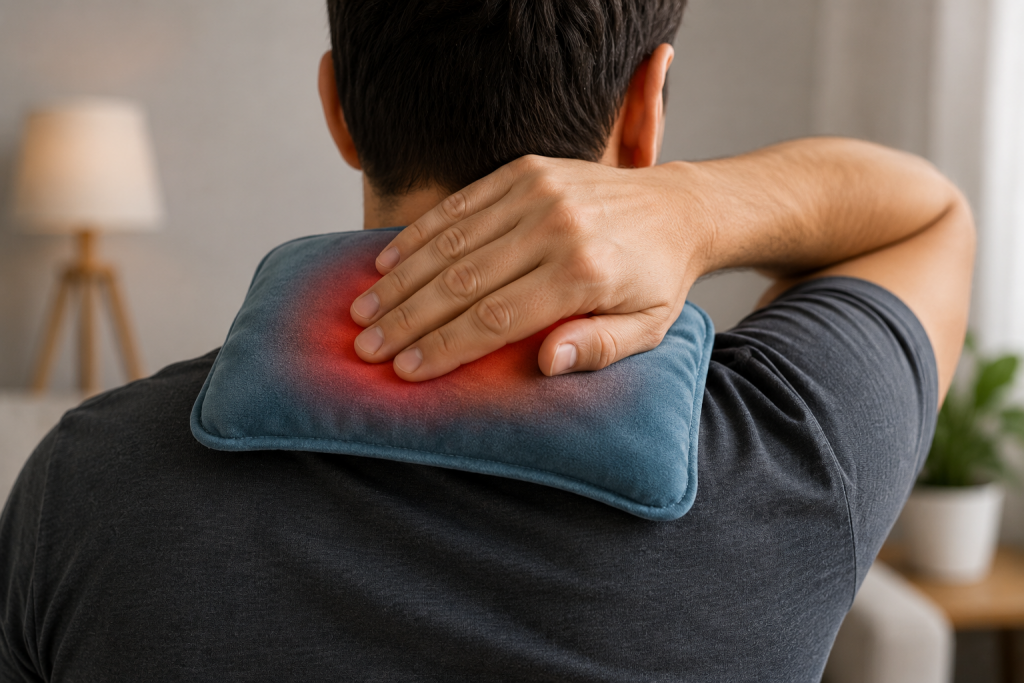
Heat therapy uses warm packs, heating pads, warm baths, or heat wraps to relax and loosen tissues.
How Heat Therapy Works
Heat increases blood circulation through vasodilation, which:
- Relaxes tight muscles
- Improves tissue flexibility
- Promotes nutrient-rich blood flow
- Helps flush out metabolic waste products
Research Findings on Heat Therapy
Studies show that heat therapy:
- Is most effective for chronic pain and muscle stiffness.
- Improves flexibility and range of motion in joints.
- Helps alleviate menstrual cramps, back stiffness, and arthritis-related discomfort.
Best For:
✔ Chronic pain
✔ Stiff joints
✔ Muscle tension
✔ Back and neck pain
✔ Long-term injuries
Cold Therapy vs. Heat Therapy: Key Differences
| Feature | Cold Therapy | Heat Therapy |
|---|---|---|
| Best for | Acute injuries, inflammation | Chronic pain, stiffness |
| Mechanism | Reduces blood flow | Increases blood flow |
| Pain type | Sharp, sudden pain | Dull, achy pain |
| Use in first 24–48 hours | Yes | No |
| Reduces swelling | Yes | No |
| Relaxes muscles | No | Yes |
When Should You Use Cold Therapy?
Use cold therapy when the injury is new, red, swollen, or painful. Cold helps prevent further swelling.
Apply Cold If You Have:
- A fresh sprain or strain
- A sports injury
- Post-surgical inflammation (doctor-guided)
- DOMS after intense exercise
- Swelling from impact injuries
How Long to Apply:
15–20 minutes at a time, with breaks in between.
When Should You Use Heat Therapy?
Use heat therapy when the injury is old, stiff, or causing chronic tension. Heat relaxes tissues and improves flexibility.
Apply Heat If You Have:
- Muscle stiffness from sitting too long
- Chronic back or neck pain
- Arthritis-related joint tightness
- Cramps
- Stress-related muscle tension
How Long to Apply:
20–30 minutes at a time.
Can You Combine Cold and Heat Therapy?
Yes—this is known as contrast therapy. Alternating between cold and heat helps:
- Reduce inflammation
- Improve circulation
- Speed up recovery
Researchers suggest it can be especially useful for athletes during recovery and for treating chronic injuries that periodically flare up.
Common Pattern:
10 minutes cold → 10 minutes heat → repeat 2–3 times.
Safety Tips
To avoid burns or frostbite:
- Never apply ice directly to skin—use a cloth barrier.
- Avoid sleeping with heating pads.
- People with diabetes, nerve damage, or poor circulation should consult a doctor first.
Final Thoughts
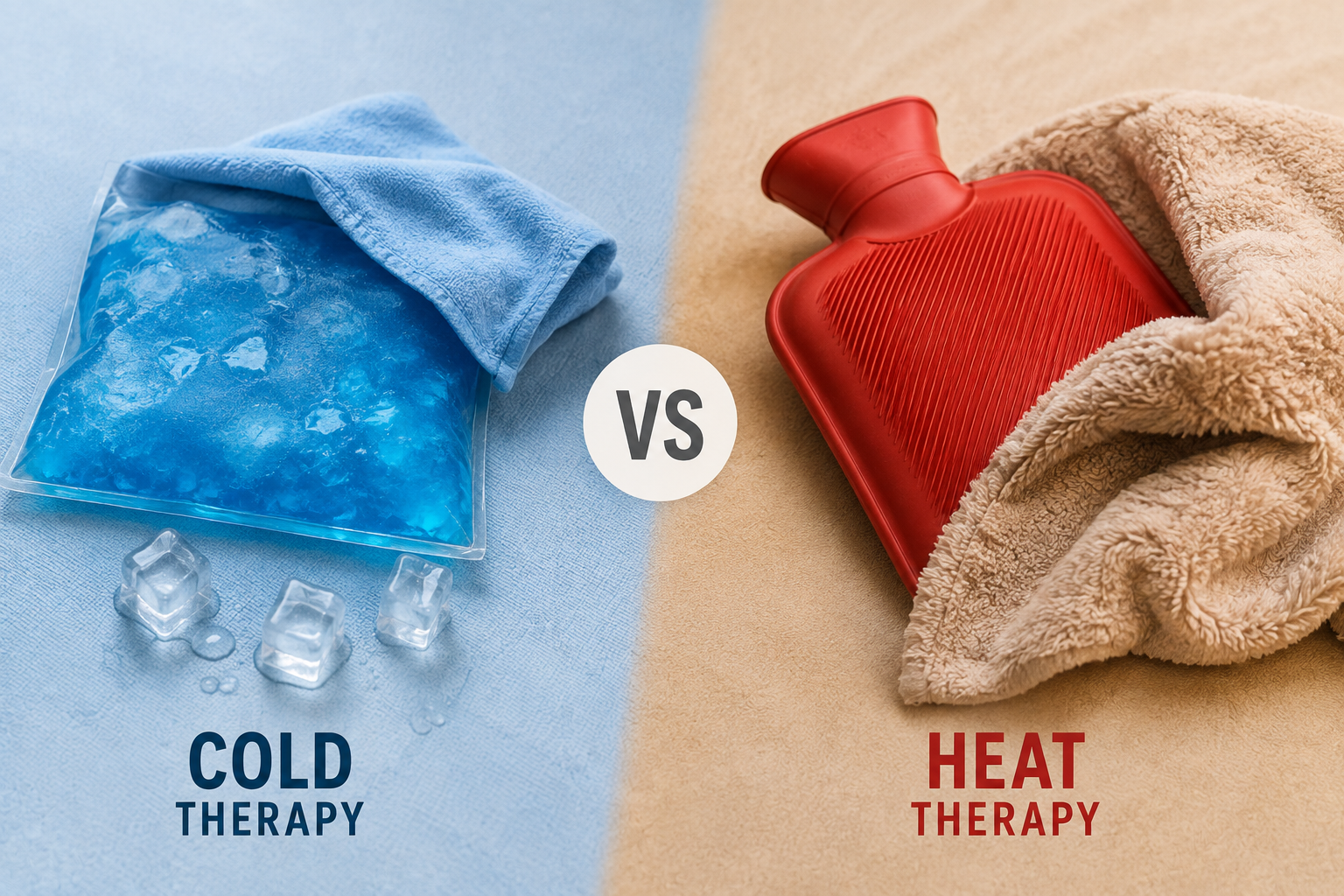
Both cold therapy and heat therapy play essential roles in pain management and recovery. Cold therapy excels at treating acute injuries, reducing inflammation, and numbing sharp pain. Meanwhile, heat therapy works best for chronic pain, muscle stiffness, and long-term rehabilitation. Understanding when—and how—to use each method can significantly speed up healing and improve your overall comfort.
If you’re dealing with pain or injury, choosing the right therapy based on research-backed benefits can help you recover smarter, faster, and more effectively.



Interesting one.
Thank You